What should you look for when choosing?
If you want a meal that’s easier to chew, first consider the texture you can achieve after preparation. Convenience and ingredients then help you decide which type of packaging suits you; if you have swallowing difficulties, choosing a product is no substitute for an individual assessment.
| What to consider |
What to check |
Who it matters to |
| Soft, even porridge |
Look for a mention of fine flakes. After heating and stirring, check the texture of the whole meal, including anything you’ve added. |
I want porridge without hard pieces, and I want to be able to adjust the thickness myself. An estimated 50% of these consumers put texture first. |
| Easy preparation |
Check whether the product contains loose flakes or pre-measured portions, and follow the preparation instructions on the packaging. |
When I have little time to prepare food, I don’t want to weigh out a portion every time. For around 30% of these consumers, convenience comes first. |
| Ingredients and allergens |
Read the current ingredients list and allergen information. If you need to avoid gluten, don’t rely on the product name alone. |
I want to check what’s in my porridge before adding other ingredients. For around 20% of these consumers, this check matters most. |
Oat products on Joybuy
This selection includes fine porridge oats, regular porridge oats and products for anyone looking for quick preparation. Choose according to the ingredients and how you want to prepare them; none of these packs on its own confirms a safe texture if you have swallowing difficulties.
 No image available
Brinta Porridge, 450 g
For anyone who wants to make warm porridge from scratch and adjust the thickness as they cook.
Albert Heijn describes this Brinta Porridge as extra-fine, 100% oat flakes. If you have an allergy, check the current pack for oats and possible traces of wheat and rye.
View on Joybuy
 No image available
Quaker Express Porridge, 324 g
For anyone who wants an easy way to prepare warm porridge.
Check the preparation instructions and see how soft the porridge is once made. If you have an allergy, also read the current ingredients list and allergen information.
View on Joybuy
 No image available
Quaker Porridge Oats, 375 g
For anyone who wants to prepare regular porridge oats themselves and control the amount of liquid.
Albert Heijn lists 100% wholegrain oats as the ingredient in Quaker Porridge Oats. Check the flake size and preparation instructions on the pack; the finished porridge’s texture depends on how you prepare it.
View on Joybuy
 No image available
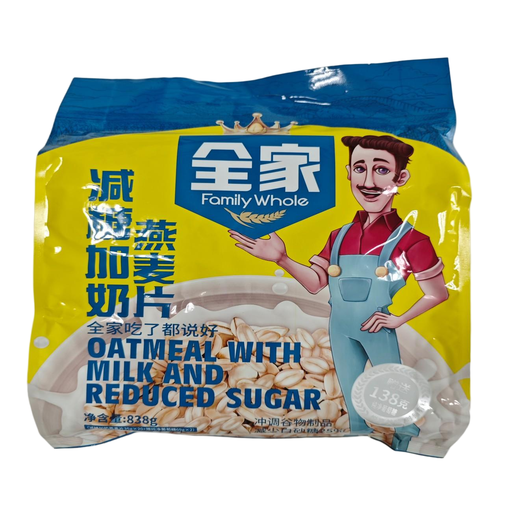
Family Whole oat mix with milk and glucose, 838 g
For anyone looking for an oat mix rather than a pack of plain oat flakes.
Check the mix’s ingredients and any separate additions before preparing it. Then assess the texture of the whole meal, especially if easier chewing is important.
View on Joybuy
Frequently asked questions
Are fine porridge oats automatically suitable if you have swallowing difficulties?
No. Fine flakes don’t confirm that the texture is safe to swallow. Zorg voor Beter and Kent Community Health NHS Foundation Trust explain that an assessment of eating and swallowing should consider what a person can manage without choking; always follow the consistency recommended for you individually.
How can I make porridge easier to chew?
Heat the oats with plenty of liquid, stir well and check that the flakes and any additions are soft enough for the person eating them. Albert Heijn gives instructions for preparing Brinta Porridge in a pan or microwave; adjust the finished thickness without changing a prescribed swallowing texture yourself.
What should I check if I have coeliac disease or an allergy?
Read the ingredients and allergen information on the specific pack. According to the Voedingscentrum, ordinary oats are not automatically suitable for people with coeliac disease; if you need to avoid gluten, check whether the official Crossed Grain symbol appears on the product.
What label information can help me choose a pack of porridge oats?
Check the ingredients, which allergens are listed and how to prepare the product. The Netherlands Food and Consumer Product Safety Authority also says that pre-packed foods must have clearly readable information about use and shelf life; check the current label on the pack you buy.


