
Camper with their own cooking kit
For several breakfasts, you can measure out loose oats yourself. Once opened, transfer the rest to a dry, securely sealed container or bag to keep it fresh.


For several camping breakfasts, loose oats in a securely sealed container are a good option if you can measure out and prepare your own portions; portion sachets save you the measuring. If you want to eat straight from a tin without cooking, check the difference between ready-to-eat porridge and loose oats: the tin option shown contains twelve 280 g tins, rather than a single tin sold separately.
For several breakfasts, you can measure out loose oats yourself. Once opened, transfer the rest to a dry, securely sealed container or bag to keep it fresh.
Portion sachets save you measuring at home or on the campsite. Check how much liquid you’ll need and whether you’ll have to bring a bowl or small pan to prepare them.
Don’t rely on the product name alone: check the ingredients, allergen information and any gluten-free claim on the pack you’re buying.
First decide whether you need a no-cook breakfast. Then compare the packaging, the amount per breakfast and how you can keep it dry while travelling.
| What to consider | What to check before buying | Who it matters to |
|---|---|---|
| Pre-measured portions | Check the weight per sachet and what you’ll need to prepare it. | If I’m travelling with little luggage, I want to be able to grab a dry portion for each breakfast without weighing it out. That would be the top priority for around 27% of consumers. |
| Limited cooking facilities | Check whether the porridge can be mixed cold, needs heating or is ready to eat. | Without proper cooking facilities, I want to know whether breakfast will need a camping stove and pan. That would be the main factor in the choice for around 33% of consumers. |
| Quantity and leftovers | Compare the pack size with the number of breakfasts you’re planning and check how to reseal an opened pack. | For a multi-day trip, I want to take enough without being left with leftovers that are difficult to store. This would be the top priority for around 20% of consumers. |
| Ingredients and allergens | Check the current ingredients list, allergen information and any gluten-free claim. | If I need to avoid certain ingredients, I want to be able to check the label of the specific product before buying. That would be the top priority for a further 20% of consumers. |
The size of a tin doesn’t tell you how many tins you have to buy or how much you’ll want to eat for breakfast. The ready-to-eat porridge shown is sold as twelve 280 g tins.
If you only want to take one tin, check the contents of each tin, how many tins are included in the offer and the serving information on the label.
Pre-measured oats aren’t automatically ready to eat. Albert Heijn says Quaker Oats Express needs to be prepared hot in a small pan or microwave.
Read the instructions for your particular product and bring the liquid you need, along with a suitable bowl or pan.
Regular products may carry warnings about other cereals containing gluten as well as oats. A gluten-free claim applies to the specific product, not to every oatmeal product from the same brand.
Read the ingredients and allergen information on the pack you’re actually buying.
According to the Netherlands Nutrition Centre, oatmeal keeps best in a cool, dry, dark place in a securely sealed container. A tightly sealed pack also helps keep pests out.
For loose oats, bring a dry, resealable container or bag and keep it away from condensation.
AH Volkoren havermout fijne vlokken, 500 g, is a good fit if you want to measure out your own portions for several breakfasts.
Brinta oatmeal, 450 g, is a pack of loose oats for anyone who likes to make their own hot porridge.
Quaker offers both loose oatmeal in a 600 g pack and Oats Express Naturel in individual sachets.
ALDI lists Golden Bridge fine wholegrain oatmeal in a 500 g pack.
These products offer three different options: ready-to-eat porridge in tins, oatmeal in portion packs and a Quaker variety for which you’ll need to check the portion format and preparation instructions before setting off.
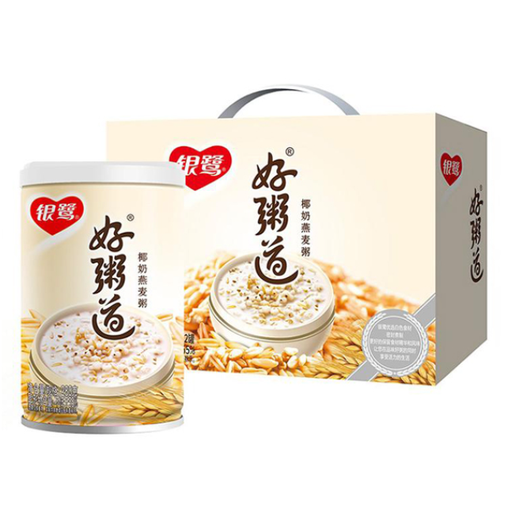 Image unavailable
For anyone who wants porridge straight from a tin without first cooking loose oats: according to the product description, this porridge can be eaten at room temperature. It comes in a pack of twelve tins; check the serving information if you’re planning to take one tin for breakfast. If you have allergies, read the ingredients and allergen information on the label.
 Image unavailable
For anyone who doesn’t want to measure out portions at the campsite: the product description says it comes in individual portion packs. The hot preparation described requires a small pan or microwave; check the label for the amount of liquid needed and allergen information.
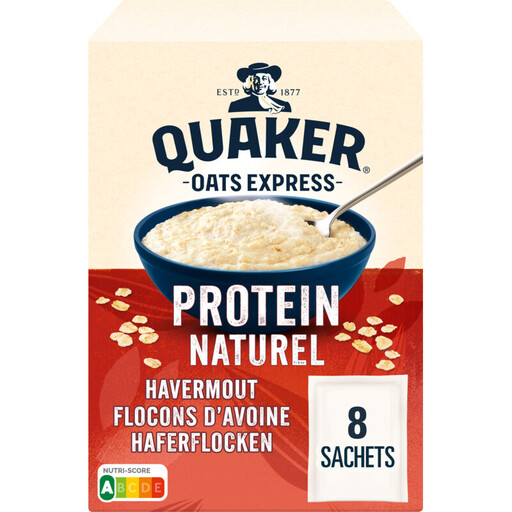 Image unavailable
An oatmeal option to consider if you’re looking for something quick to prepare: the product description says it takes two minutes. Before setting off, check the type of packaging, the portion format and the exact preparation instructions so you bring the right kit. Also check the allergen information on the label.
Keep loose oatmeal in a cool, dry, dark place in a securely sealed container. The Netherlands Nutrition Centre advises transferring an opened pack to an airtight container to help prevent pests; bring a dry container or bag for this.
Read the ingredients and allergen information on the pack you’re buying. The Netherlands Food and Consumer Product Safety Authority says allergens must be listed in the ingredients list on prepacked foods; check any gluten-free claim for each specific product.
According to the Netherlands Nutrition Centre’s storage advice, dry oatmeal doesn’t need to be refrigerated, but it should be kept cool, dry and dark in a securely sealed container. If you’re also taking perishable ingredients, plan separately how to store them safely at the campsite or use them straight away.