
Vandaag of morgen in huis

Kwaliteit gegarandeerd

Welkomstaanbiedingen ontgrendelen: GRATIS bezorging | Tot 80% korting | Gratis 30 dagen JoyPlus-proefperiode
Download de app
A bag of oatmeal might seem simple to pick, but the differences between products are significant. You'll find wholegrain oatmeal, fine oat flakes, instant oatmeal, ready-to-eat porridge, and Asian varieties such as Chinese congee. If you only look at the front of the packet, you could end up paying more for sugar, flavourings, or a format that doesn't suit your daily routine.
The main pitfalls to watch out for:
For simple wholegrain oatmeal, oats should ideally be listed as the first and only ingredient. That's the case, for example, with varieties made from 100% oats. With flavoured products, such as cinnamon oatmeal, sugar and flavourings may have been added.
A practical order to follow:
Watch out for conflicting product information. With Leev Dutch Oatmeal, the product is described as gluten-free, yet the available allergen information also mentions gluten. If in doubt, always use the current packaging as your guide.
Portion sizes vary. That's why the values per 100 grams are more useful than just the nutritional information per bowl or sachet.
Pay particular attention to:
The nutritional values are not a complete assessment of your daily diet. Oatmeal with fruit, yoghurt, milk, nuts or seeds can turn out quite differently from a bowl made with just water.
Fine oat flakes soften more quickly and are suitable for oatmeal porridge that needs to be ready in a few minutes. Coarser flakes have more bite but usually require a longer cooking time.
For a quick breakfast, there are several options:
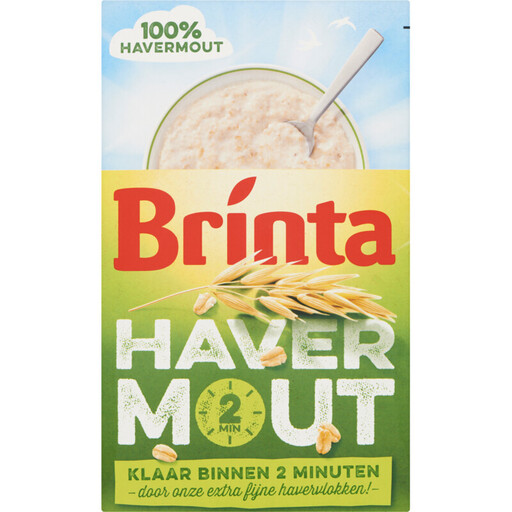
Why this fits the profile: A straightforward bag of 100% oat flakes with around 11 servings. The fine flakes are ideal for a quick bowl of oatmeal porridge with water or milk.
The ingredients list states 100% oat flakes and no added colourings or flavourings according to the product information.
9.7 g fibre and 13 g protein per 100 g; suitable for hot preparation in just a few minutes.
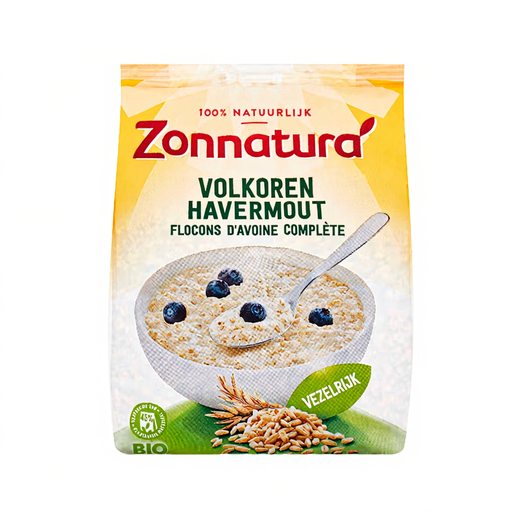
Why this fits the profile: An organic option for those who consider origin and a wholegrain composition when choosing healthy breakfast cereals.
The product information lists organic wholegrain oat flakes as the ingredient. Check the organic certification mark and allergens on the packaging you receive.
500 g pack; according to the nutritional information, 11 g fibre per 100 g and 100% ingredients from organic farming.
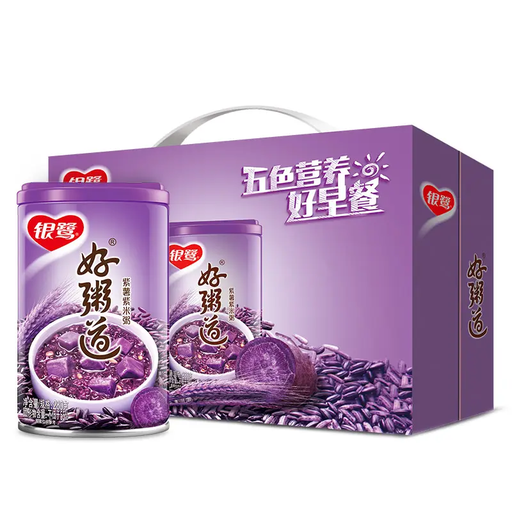
Why this fits the profile: A bulk pack for those who want to keep ready-to-eat porridge in stock and are looking for an alternative to classic oatmeal or rice porridge.
The portion is ready to eat and can be used warm or at room temperature. The ingredients list does mention sugar, sweetener and preservatives; check this before purchasing.
12 cans of 280 g; requires no pan to prepare and works well as a quick breakfast or snack.
For a daily breakfast where you control the ingredients, Quaker Oatmeal 375 g and 600 g are practical options: both list 100% wholegrain oatmeal and no added sugars in the product information. The cinnamon variety contains, according to the label, 81% wholegrain oatmeal, sugar and natural flavourings.
If speed is your main priority, you could look at Brinta Wake Up Natural. This breakfast drink is ready in about one minute according to the product information, but it also contains sugar, maltodextrin, vitamins and iron. So it's a different product type from pure oatmeal.
For savoury flavours, there are ready-to-eat congee varieties and MAMA Instant Porridge Seafood Cup. The latter contains, among other things, dried shrimp, fish, milk, soya, wheat, barley and celery. This makes checking the allergens especially important.
We've put together a full, up-to-date list of products that fully meet these strict selection criteria and comply with current European safety regulations.
Yes. Fine oat flakes soften in just a few minutes with hot water, milk or a plant-based drink. Instant oatmeal and breakfast drinks are even faster, but always check the ingredients list and sugar content.
Store oatmeal in a cool, dry place away from moisture and direct sunlight. Seal the packaging tightly or use an airtight storage container. For ready-to-eat porridge, once opened it usually needs to be refrigerated and consumed quickly; follow the instructions on the tin.
That depends on the packaging and portion size. A bag of oat flakes usually provides several servings with minimal preparation. Tins and individual cups save time, but more often contain extra ingredients and are sold per portion. So compare the price per 100 grams as well as the composition.
