
Same-day & Next-day Delivery

Quality Guaranteed

Unlock Your Welcome Offers: FREE Delivery | Up to 80% OFF | Free 30-day JoyPlus trial
Download the APP
Oatmeal is a staple in many kitchens. It's nutritious, versatile, and a great foundation for a hearty breakfast. Yet, the selection at the supermarket can be overwhelming. Packaging screams for attention with claims like "high-protein," "quick-cooking," or "sugar-free." But what do these terms really mean? And how can you avoid paying for marketing instead of quality?
As a Product Recommendation Officer at Joybuy, I see consumers struggle with these choices every day. Let's uncover the most common pitfalls so you'll know exactly what you're buying from now on.
You don't need to be a nutritionist to make a smart choice. Pay attention to the following three practical points, and you can't go wrong.
The structure of the oat flakes determines the cooking time and the texture of your porridge.
A glance at the ingredient list is the quickest way to separate marketing from reality.
For those with specific requirements, there are two important labels.
Based on these criteria, we have selected a few products that suit different needs and lifestyles.
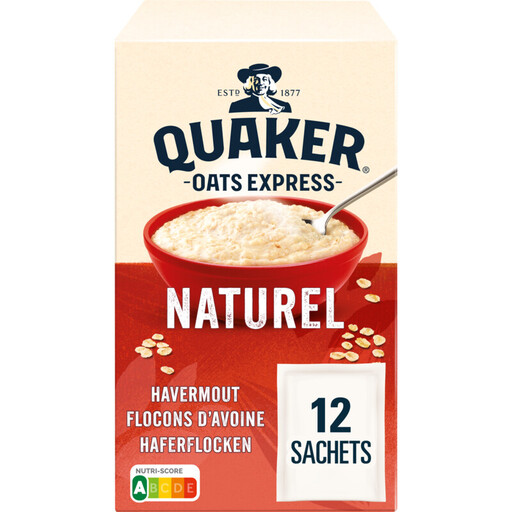
Why This Fits Their Persona: For those who don't have a minute to spare in the morning. The convenient single-serving packets and 2-minute preparation time make this the ideal choice for a quick yet nutritious breakfast before work or school.
This product bypasses the sugar trap. Unlike many other quick varieties, this pure oatmeal contains only 1 gram of sugar per 100 grams and no unnecessary additives.
Speed and convenience: Ready in 2 minutes. Pure product: 100% whole-grain oatmeal with no added sugars.
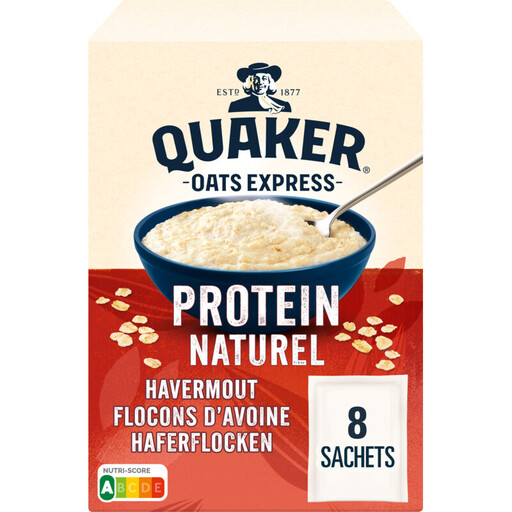
Why This Fits Their Persona: Specifically developed for those who want to get more out of their breakfast. The high protein content supports muscle recovery after a workout and provides a long-lasting feeling of fullness, helping to achieve athletic goals.
This product avoids the "oat illusion." It's not just a snack, but a functional breakfast purposefully fortified with soy protein to meet a specific nutritional goal, without added sugars.
High-protein: Contains 22 grams of protein per 100 grams. No added sugars: Fits into a conscious diet.
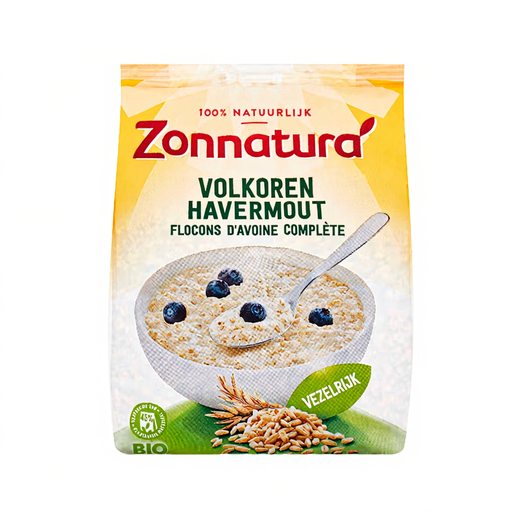
Why This Fits Their Persona: For the consumer who values pure and unprocessed food. This product offers the assurance of organic farming and an ingredient list that couldn't be shorter: 100% whole-grain oat flakes.
This is the definition of a pure product. It avoids both the sugar trap and the "oat illusion" by delivering exactly what it promises: a simple, honest base for your breakfast, with no additives whatsoever.
Certified organic: Free from chemical pesticides. 100% pure: Only whole-grain oat flakes.
We have compiled a complete, up-to-date list of products that fully meet these strict selection criteria and Dutch regulations.
Colloquially, the terms are often used interchangeably. Technically, "oatmeal" is the final product (the porridge), while "oat flakes" are the ingredient (the rolled and flattened oat groats). The size of the flake (fine or coarse) determines the cooking time and texture.
Yes, the oat plant itself does not contain gluten. However, during harvesting, transport, and packaging, oats often come into contact with gluten-containing grains like wheat. For people with celiac disease or a strong gluten intolerance, it is therefore crucial to choose a certified gluten-free oatmeal to rule out cross-contamination.
You can opt for a specific high-protein oatmeal that is already fortified with a protein source. Another simple method is to add protein to your standard oatmeal yourself. Think of a scoop of protein powder, a spoonful of nut butter, Greek yogurt, or a handful of nuts and seeds. This not only increases the protein content but also adds healthy fats and extra flavor.
