
Vandaag of morgen in huis

Kwaliteit gegarandeerd

Welkomstaanbiedingen ontgrendelen: GRATIS bezorging | Tot 80% korting | Gratis 30 dagen JoyPlus-proefperiode
Download de app
Oat snacks may look alike, but they can vary considerably in ingredients, portion size and allergens. Granola labelled “0% added sugar” isn’t automatically sugar-free. An oat bar high in fibre won’t necessarily suit every diet. And “gluten-free” on the front of the pack doesn’t tell you much if the allergen information on the label isn’t clear.
Use this practical guide to check the details that are often overlooked when shopping online.
Terms such as high in protein, no added sugar, vegan and gluten-free are only useful if you check them against the ingredients list and nutrition table.
For example, look out for the difference between:
A product may also be relatively high in calories because of nuts, seeds, oil or chocolate. That doesn’t make it unsuitable, but it’s worth bearing in mind when comparing granola and oat bars.
The front of the pack usually highlights a flavour or a standout feature. The back tells you what you’re actually buying. So check:
For example, according to the product information, Holie’s Granola Protein Amandel Speculaas contains 20 grams of protein and 14 grams of fibre per 100g, but also contains barley, spelt, peanuts, almonds and soya. This means it isn’t suitable for everyone with an allergy or anyone following a strict gluten-free diet.
Some snack product details include conflicting information, such as a reference to gluten-free oats alongside an allergen warning for gluten. If you have coeliac disease or a serious allergy, always go by the current packaging. Contact the manufacturer if you’re unsure, and don’t choose a product based on its title alone.
Always compare products on the same basis. A small oat bar may contain little sugar per bar, but still be relatively high in sugar per 100g. So check:
Bites We Love Chewy Oat Bars Chocolate is one example. According to the product information, each 30g bar contains 115 kcal, 8.6 grams of fibre and 2.7 grams of protein. These are useful figures to compare, but they don’t automatically tell you what portion size is right for you.
Oats can be used in vegan, organic and gluten-free snacks, but the rest of the recipe can vary considerably. Check whether the product contains milk, soya, peanuts, nuts, wheat, barley or spelt.
For example:
“Vegan” doesn’t automatically mean gluten-free or allergen-free either. Read the label before you buy, and check it again if the packaging or recipe changes.
Individually wrapped portions are handy for snacks on the go. Liga Oat Kick contains six individually wrapped portions. A multipack of six granola bags is more useful at home, for example with yoghurt or plant-based alternatives.
Also consider:
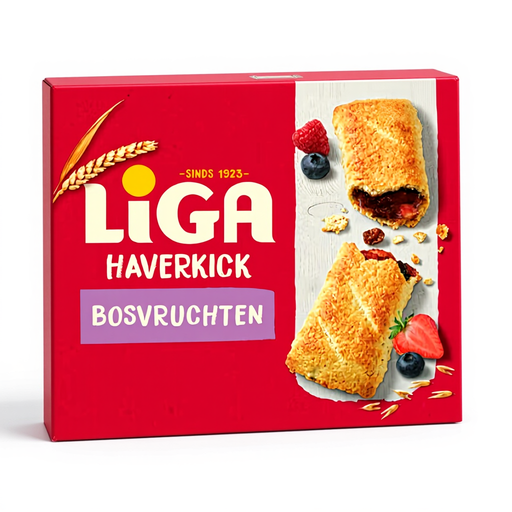
Why it suits this shopper: The six individually wrapped portions are easy to take to work, school or wherever you’re heading. The packaging makes portioning straightforward.
The nutrition information and ingredients are listed for the product. Do check that you’re happy with its relatively high sugar content per 100g.
Individually wrapped; according to the product information, contains fibre, calcium, iron and magnesium.
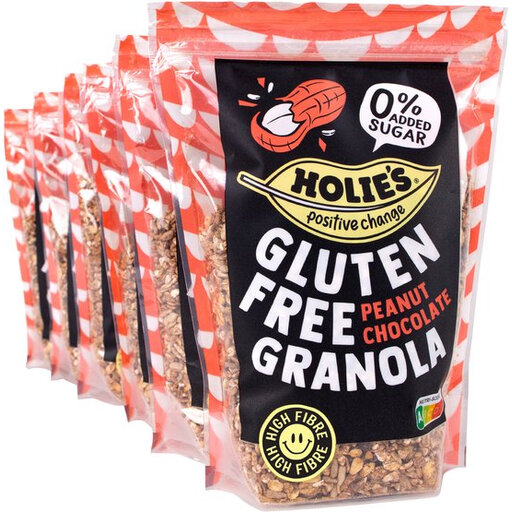
Why it suits this shopper: The combination of wholegrain oats, peanuts, cocoa and seeds is a good fit if you’re looking for crunchy granola with clear nutritional information to enjoy at home.
The “0% added sugar” claim is accompanied by a nutrition figure of 4 grams of sugar per 100g. Also check the peanut and trace information.
According to the product information, 14 grams of fibre and 15 grams of protein per 100g; multipack of six bags.
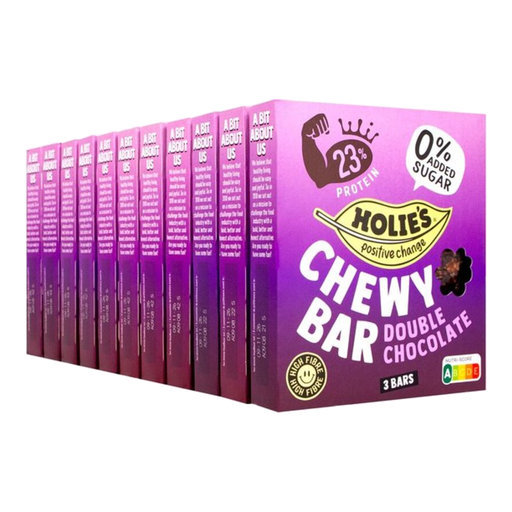
Why it suits this shopper: The bars come in packs of three and, according to the product information, provide 23 grams of protein per 100g. That makes them a good option for active people and anyone who often takes a snack with them.
The product information lists 2.9 grams of sugar and 21 grams of fibre per 100g. Do check for hazelnuts, wheat, spelt and barley.
23 grams of protein per 100g according to the product information; larger pack for regular use.
We’ve put together a full, up-to-date list of products that meet these strict selection criteria and current European safety regulations.
That depends on the packaging and nutritional information. Individually wrapped oat bars are handy for work, school, walking or exercise. Check the portion size, allergens and how you plan to store the snack before you buy. A soft bar is generally easier to carry in a bag than loose granola.
No. Granola may contain naturally occurring sugars, and ingredients such as fruit, syrups or chocolate can add more. So always check the of which sugars line per 100g. Compare portion sizes too, as granola is often eaten in larger quantities than a small oat bar.
Only choose a product whose current packaging clearly states that it is gluten-free, and check the allergen information. Oats themselves aren’t suitable for everyone with coeliac disease, and some product information may be contradictory. If you’re unsure, it’s best to ask the manufacturer to confirm.
