
Vandaag of morgen in huis

Kwaliteit gegarandeerd

Welkomstaanbiedingen ontgrendelen: GRATIS bezorging | Tot 80% korting | Gratis 30 dagen JoyPlus-proefperiode
Download de app
Choosing an oat milk seems simple. It's a plant-based alternative to milk, popular in coffee and cereal. Yet, not every carton on the shelf is the same. Common marketing claims and unclear ingredient lists make it difficult to make a good choice. Before you make a purchase, it's wise to know what to look for.
Here, we'll discuss the most common pitfalls so you can choose a product that truly suits you, without overpaying for clever marketing.
Pitfall 1: The "Healthy" Sugar Bomb Oats are naturally sweet, and during the production process, starches are converted into sugars. This is normal. The problem arises when manufacturers add extra sugars. An oat drink presented as healthy can unknowingly contain a significant amount of sugar.
Pitfall 2: The "Barista" Promise That Doesn't Foam The term "barista" on a package suggests perfect milk foam for your cappuccino. Unfortunately, this isn't always guaranteed. The ability to foam depends on a specific balance of proteins, fats, and stabilisers. The wrong formula leads to disappointing, limp foam or even curdling in your coffee.
To bypass the pitfalls above, there are a few objective specifications you can check on the packaging.
On the label, look not just at the total carbohydrates, but specifically at "of which sugars". A good sugar-free oat milk ideally contains 0 grams of added sugars. The sugars it does contain then come from the oats themselves. The ingredient list should be short and clear: water, oats, a little sunflower or rapeseed oil (for creaminess), and a pinch of salt. Extras like calcium and vitamins can be a plus, but are not essential for basic quality.
For those who love a latte or cappuccino, foaming oat milk is a key feature. A good barista oat milk edition usually contains a higher fat percentage (around 3%) and an acidity regulator, such as dipotassium phosphate. This ingredient prevents the plant-based milk from curdling when it comes into contact with the acids in hot coffee and helps create a stable, fine microfoam. Brands like Oatly oat milk and Alpro oat milk have specific barista versions designed for this.
The cost of pre-packaged oat milk can add up, especially with daily use. Making oat milk yourself is a cost-effective and fresh alternative. You only need rolled oats, water, and a blender. For a silky-smooth, pulp-free result, a specialised machine, like a nut milk maker, is worth considering. This gives you complete control over the ingredients and freshness.
Not everyone uses oat milk the same way. Below are some suggestions tailored to specific needs.
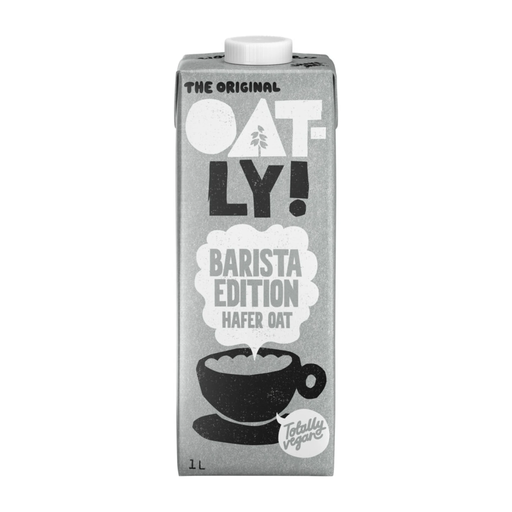
Why This Fits Their Persona: This user wants to make café-quality coffee at home. This oat milk is specially developed to perform well with coffee, both in terms of taste and texture.
This product bypasses the 'false barista promise'. Its formula contains 3% fat and an acidity regulator, which objectively contributes to stable, fine foam that doesn't curdle.
Specifically designed for foaming. Fortified with vitamins (D2, B2, B12) and calcium for added nutritional value.
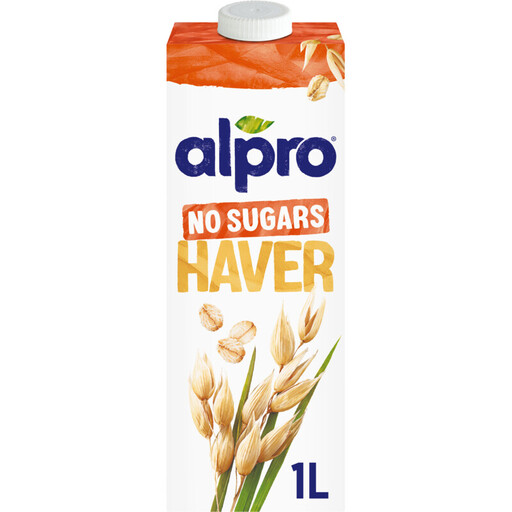
Why This Fits Their Persona: This user is looking for a pure, unsweetened option for daily use in cereal, smoothies, or to drink on its own. The focus is on minimal additives and low sugar intake.
Directly tackles the 'hidden sugar' trap. The nutrition facts table lists 0 grams of sugar, and the ingredient list confirms that no sugars or sweeteners have been added.
Has a Nutri-Score A. It is a source of fibre and is fortified with calcium and vitamins B2, B12, and D.
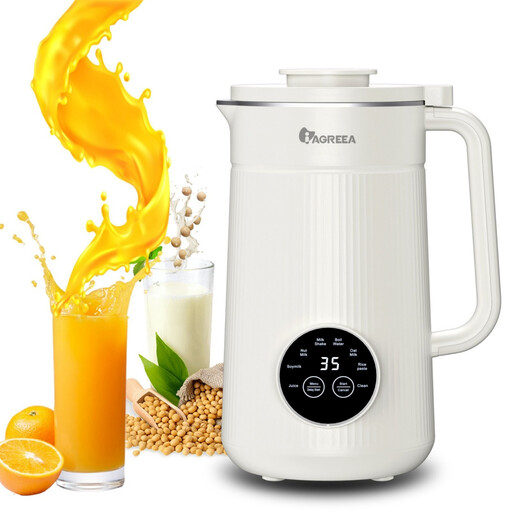
Why This Fits Their Persona: This user wants maximum control over ingredients, freshness, and cost. A machine for making plant-based drinks is an investment that saves money and reduces waste in the long run.
Bypasses all the pitfalls of pre-packaged drinks. You decide whether to add sugar and use simple ingredients. The cost per litre is significantly lower.
Multifunctional with 8 programs (including for oat, soy, and nut milk). It has a self-cleaning function and a delayed start timer for fresh milk in the morning.
We have compiled a complete, up-to-date list of products that meet these selection criteria and current regulations.
Legally, within the EU, the term "milk" can only be used for animal products. That's why you'll officially see the name oat drink on packaging. In common parlance, both terms, oat milk and oat drink, are used interchangeably to refer to the same product.
Curdling is caused by a reaction between the acidity and temperature of the coffee and the proteins in the plant-based milk. Barista editions contain an acidity regulator to prevent this. If you're using a standard oat drink, you can try letting the coffee cool slightly before adding the (warmed) oat drink.
The basics are simple: mix about 1 part rolled oats with 4 parts water in a blender for about 30-45 seconds. Then, strain the mixture through a fine-mesh sieve or cheesecloth to remove the pulp. For an even smoother and creamier result without the need for straining, a specialised making oat milk machine is the solution. It heats and grinds the ingredients for an optimal result.
