
Home barista making one oat latte
You want to control the foam texture for a small serving and don’t mind practising with a steam wand. The Consumers’ Association notes that frothing with a steam wand takes practice.


If you want to control the foam texture yourself for one or a few oat lattes, consider a portafilter machine with a steam wand. If you’d rather keep things simple, a bean-to-cup machine with a milk system or a capsule machine with automatic milk preparation may suit you better. Also compare how you adjust the amount of milk, which parts need cleaning after use and what type of coffee each system uses. The result with oat drink also depends on the drink itself: a machine function won’t guarantee the same foam with every oat drink.
You want to control the foam texture for a small serving and don’t mind practising with a steam wand. The Consumers’ Association notes that frothing with a steam wand takes practice.
You want to make a cup with as few steps as possible, and are weighing up the convenience of automatic milk preparation against the cleaning afterwards. Philips says that the EP5447/90 lets you adjust the amount of coffee and milk.
Before buying, check which parts that come into contact with milk need cleaning after use, and what descaling instructions apply to the model. The Consumers’ Association advises following the machine’s manual.
When you’re making one or a few cups, your choice mainly comes down to how much control you want over the foam, how many steps are involved, the cleaning required and the type of coffee used.
| What to consider | What should you look for? | Who might find this especially important? |
|---|---|---|
| Foam texture | Compare manual frothing with the adjustable texture of an automatic system, and check the guidance for plant-based drinks. | If I want to add air and adjust the texture myself for a small serving, a manual steam wand suits the way I make coffee. Around 33% of consumers put control over the foam first. |
| Fewer steps | Check whether you can adjust the amount of coffee and milk for your cup, and what you need to do after making a drink. | If you want to make one or a few lattes quickly, you can compare automatic milk preparation with the controls on a capsule machine. Around 25% of consumers prioritise fewer steps. |
| Cleaning | Check which parts can be removed, what the manual says is dishwasher-safe and how descaling works. | If I don’t want to be left with lots of separate milk-system parts to clean after making a small drink, I focus on the cleaning steps for the exact model. Around 25% of consumers prioritise ease of maintenance. |
| Type of coffee | Check whether you want to use ground coffee, beans or capsules, and which accessories the model you choose requires. | If your choice of coffee matters to you, decide in advance whether ground coffee, beans or capsules suit the way you’ll use the machine. Around 17% of consumers put this choice first. |
Automatic milk preparation doesn’t remove the need to clean the parts that come into contact with milk.
Before buying, check the cleaning instructions for the milk system on the exact model, and allow time for the recommended cleaning after use.
Even if you make just one cup at a time, a milk drink still leaves you with cleaning to do.
The stated pump pressure alone doesn’t tell you what kind of foam you’ll get with a particular oat drink. The type of milk frother and the drink you use also play a part.
Compare the milk preparation and cleaning steps instead of looking only at the number of bar.
A portafilter machine, bean-to-cup machine and capsule machine each use a different type of coffee.
Choose a system that suits the coffee you want to use, and check which accessories you’ll need to make your drink.
The Dedica Style EC685.W EX:4 is an example of a slim portafilter machine with manual milk frothing.
The fully automatic EP5447/90 combines bean-to-cup coffee with the LatteGo milk system.
The Creatista Plus combines the Original capsule system with an automatic steam wand.
The Sensation Elite Hot & Cold EA918G is a fully automatic machine with a milk jug and hot and cold recipes.
These products suit either manual frothing for small servings or making a latte with fewer steps. Check the type of coffee each model uses and its cleaning instructions.
 No image available
A good fit if you want to froth the milk yourself for a small latte and use a steam wand.
The product name lists a pressure gauge, cup warmer, single or double shot option and a removable 1,1 L water tank.
Manual frothing takes practice; clean the steam wand after use.
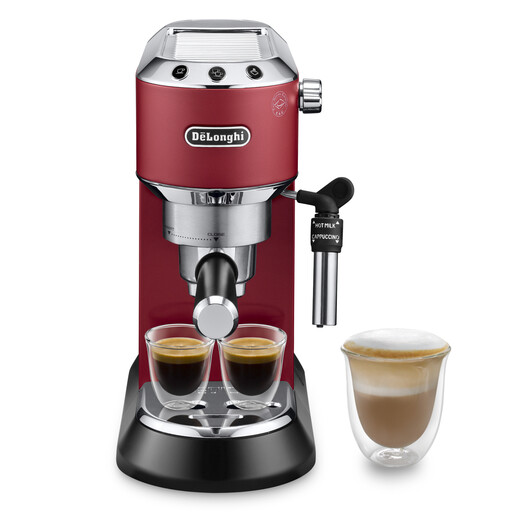 No image available
A good fit if you’re looking for a manual espresso machine and want to prepare the milk yourself.
A separate filter is needed to use E.S.E. pods.
A steam wand takes practice and needs cleaning after use.
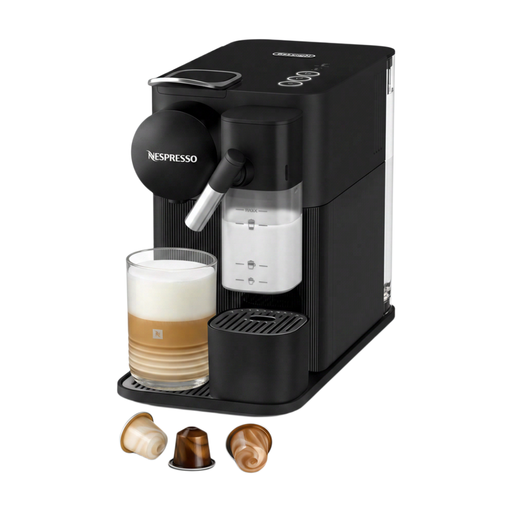 No image available
A good fit if you want to make a latte with minimal effort for each cup and use capsules.
The product name lists a capsule machine with a 1,0 L capacity. Check the capsule format for this model.
The milk reservoir and other parts that come into contact with milk need cleaning after use.
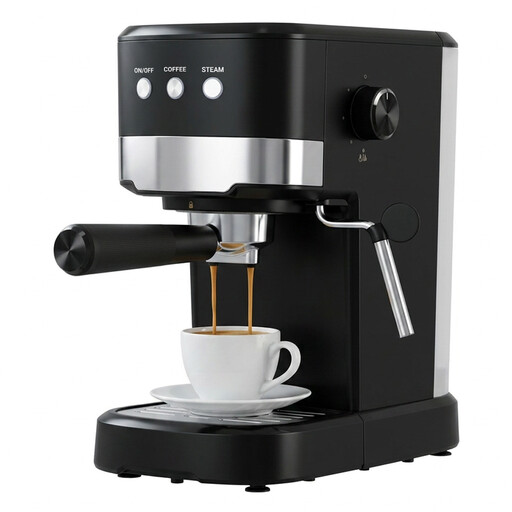 No image available
A good fit if you want to froth the milk yourself and choose to make one or two cups each time.
The product name lists a milk frother, cup warmer and 1,2 L water tank.
Manual frothing takes practice; clean the steam wand after use.
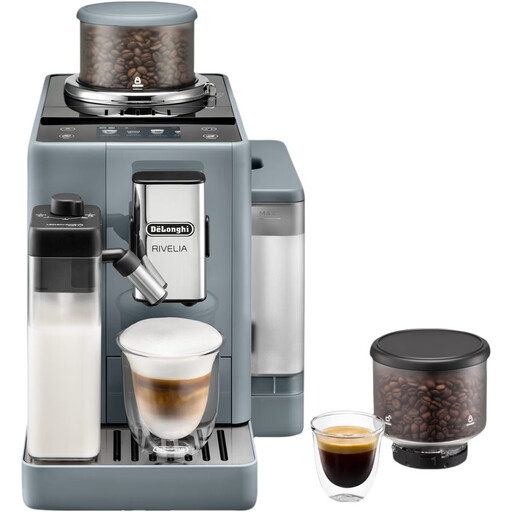 No image available
A good fit if you’d rather have a fully automatic way to make milk drinks than use a steam wand yourself.
The product name lists a LatteCrema Hot milk frother and a bean-switching system.
An integrated milk system doesn’t remove the need to clean the parts that come into contact with milk after use.
Don’t assume so. Philips says that using plant-based alternatives with LatteGo depends on their fat and protein content; the Consumers’ Association mentions barista-style versions as an option for plant-based drinks. Check both your machine’s guidance and the oat drink you want to use.
Clean the parts that came into contact with milk according to your machine’s manual. The Consumers’ Association advises wiping the milk spout after frothing and thoroughly cleaning a milk container at the end of the day. Only put parts in the dishwasher if the manual says they’re dishwasher-safe.
Follow the alert and manual for the model you choose, as descaling instructions and the right descaler can vary between machines. The Consumers’ Association advises checking the manual to find out which descaler is suitable.
No. According to the Government of the Netherlands, you’re also entitled to a legal guarantee when you buy a product: you can expect it to be of satisfactory quality, and you should contact the seller if it isn’t. There’s no fixed legal warranty period of two years in the Netherlands; what you can expect depends on factors including the product and the sales information.
Check who the seller is and which rules apply to your purchase. According to the Government of the Netherlands, electrical appliances must meet European safety requirements, including the applicable CE marking. The location of a webpage alone doesn’t tell you where the seller is based.