
Regular budget-conscious cook
You use peanuts in your cooking regularly and want to choose a pack that suits how much you get through. Compare pack sizes for the same variety and preparation, rather than relying on the words ‘value pack’ alone.


A larger bag makes sense if you use its contents regularly and can store them properly. If you only use nuts occasionally, a smaller pack may be a better fit. Choose between a single variety and a mix based on the dishes you make, and always check the ingredients, allergens and storage instructions on the exact pack.
You use peanuts in your cooking regularly and want to choose a pack that suits how much you get through. Compare pack sizes for the same variety and preparation, rather than relying on the words ‘value pack’ alone.
You share a bag of nuts and want to agree in advance whether a single variety or a mix will work for the dishes you make. A checked 500 g Jumbo mix contains walnuts, hazelnuts, cashews and almonds. Discuss any allergies and read the label on the exact pack.
You only use nuts from time to time and want to avoid buying more than you can store properly. A smaller bag may suit your needs better; remember to check the storage instructions on the pack, too.
First, work out how much you use and which ingredients suit your meals. Then check the storage instructions and the label.
| What to consider | What should you check? | Who is this more important for? |
|---|---|---|
| Pack size and usage | Compare net weights for the same variety and preparation. Work out how much you actually use in your meals. | If I often add peanuts to my dinner, I want a quantity that suits how much I use and my student budget. Around 36% of consumers put quantity and usage first. |
| Variety and ingredients | Check which types of nuts and other ingredients are in the bag; unsalted does not automatically mean unroasted or free from oil. | If I choose a mix, I want to know which varieties I actually use in my dishes. Around 28% of consumers prefer a mix that suits the meal. |
| Stock and storage | Check the best-before date and the storage instructions for that product. Choose a pack size that suits how much you use. | If I don’t use nuts very often, I want to avoid leaving a large bag for a long time. Around 22% of consumers put managing their stock appropriately first. |
| Ingredients and allergens | Check the ingredients list and allergen warnings on the current pack. | If I’m cooking for myself or housemates with allergies, I need to be able to check the ingredients and allergen information on the exact bag. Around 14% of consumers put this information at the top of their list when choosing. |
A larger quantity isn’t automatically convenient if you don’t use it regularly or can’t store it properly.
Compare the net weight and ingredients, then choose a pack size that matches how much you expect to use in your meals.
Peanuts and a mix of different nuts don’t have the same ingredients. Choose based on the varieties you want to use in your dishes.
Read the ingredients list and check that the preparation and ingredients are what you’re looking for.
For mixed unsalted nuts, the Voedingscentrum gives general storage guidance of six months in a kitchen cupboard and one year in the freezer. Quality may deteriorate after that; this isn’t a guarantee for every product or storage condition.
Follow the instructions on the pack and choose a size that suits how much you use. The Voedingscentrum lists rancidity, a tough texture and mould as signs of spoilage.
Unsalted says nothing about whether a product is suitable for someone with an allergy. Jumbo peanuts contain peanuts and may contain nuts; the Jumbo mix contains different types of nuts and may contain peanuts.
Discuss any relevant allergies when sharing meals and check the current label on the exact pack.
Duyvis lists a 235 g pack of unsalted peanuts.
Albert Heijn’s product page lists unsalted peanuts in a 300 g pack.
Jumbo lists unsalted peanuts in 250 g and 500 g packs, as well as a 500 g mix of unroasted, unsalted nuts.
Lidl has a product listing for unsalted peanuts.
ALDI lists Trader Joe’s roasted, salted peanuts in a 500 g XXL pack.
PLUS lists unsalted peanuts in a 500 g bag.
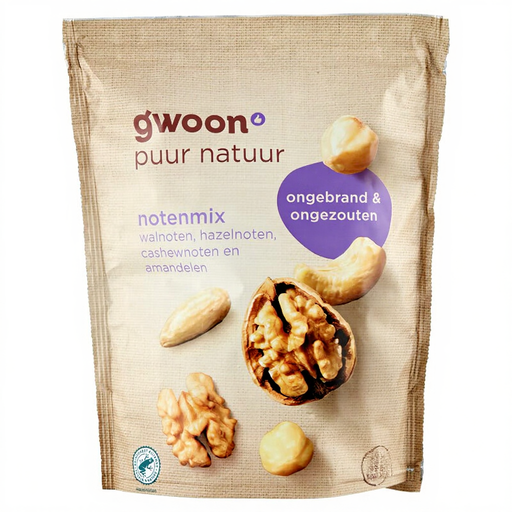
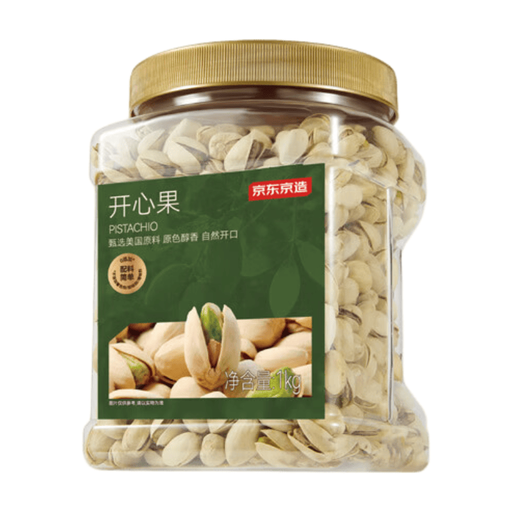
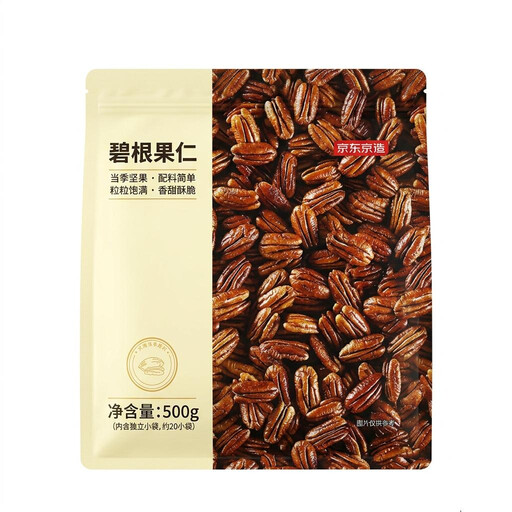
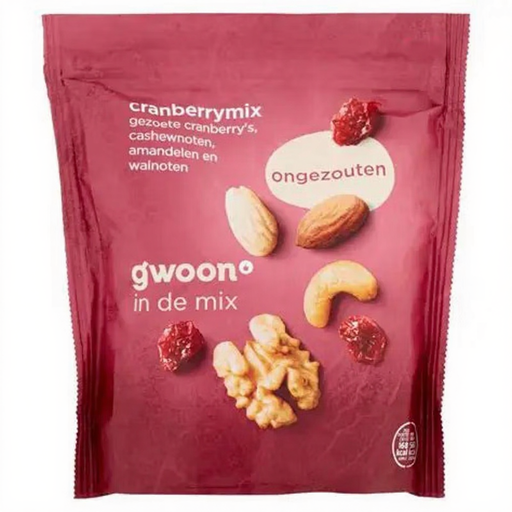
This selection of Joybuy products includes a mix, peanuts in their shells, pistachios, pecans and a cranberry and nut mix. Check the ingredients on each pack and make sure the variety suits your meal and preferences.
 No image available
This mix may suit you if you want to use different types of nuts from one pack.
The ingredients are listed as 30% hazelnuts, 30% walnuts, 20% almonds and 20% cashews. The product information warns that traces of peanuts and other nuts may be present.
 No image available
This pack may suit you if you’re looking for peanuts in their shells to keep in stock.
The product name specifies 500 g. The product description says they can be used in dishes and as snacks; the product contains peanuts and may contain traces of nuts.
 No image available
This larger pack may suit you if you’re specifically looking for pistachios and the salted variety fits how you use them.
The product information lists 99% pistachios and 1% salt. The product contains pistachios.
 No image available
This pack may suit you if you’re looking for pecans as a ready-to-eat snack.
The ingredients are listed as pecans, sugar and salt; the product information states that it contains 87.6% pecans and describes them as ready to eat.
 No image available
This smaller mix may suit you if you’re looking for cranberries and several types of nuts in one pack.
The product information lists 30% sweetened cranberries, along with cashews, almonds and walnuts. It is therefore not an all-nut mix and may contain traces of peanuts and other nuts.
No. The Jumbo peanuts checked are unsalted and list peanuts and sunflower oil; the Jumbo nut mix is separately described as unroasted and unsalted. Check both details if they matter for your dish.
For mixed unsalted nuts, the Voedingscentrum gives general guidance of six months in a kitchen cupboard and one year in the freezer. Quality may deteriorate after that. Follow the instructions on the pack, too; rancidity, a tough texture or mould are signs of spoilage.
According to the NVWA, the 14 legally designated allergens must be listed when they are present in a product, and must be clearly distinguished from the other ingredients. Check for warnings about the possible presence of allergens, too; ‘unsalted’ says nothing about whether a product is suitable for someone with an allergy.
Official EU guidance lists details including net quantity, a best-before or use-by date, and any special storage instructions as mandatory information for prepacked foods, subject to applicable exceptions. Use the net weight to assess the quantity, and follow the date and storage instructions on the pack.