
Parents looking for less fat
You want to pack a nut snack and understand the difference between a reduced-fat claim, unsalted nuts and a preparation method that uses no added fat.


Unsalted nuts can be an option for a school lunch if they suit your child’s eating situation and the school’s rules. According to the Voedingscentrum, unsalted nuts are included in the Wheel of Five, but that doesn’t make them low in fat. If you’re looking for less total fat, compare the fat content per 100 g and assess any specific reduced-fat claim separately: dry-roasted or made without added fat doesn’t automatically mean a product contains less total fat.
You want to pack a nut snack and understand the difference between a reduced-fat claim, unsalted nuts and a preparation method that uses no added fat.
You’re looking for a practical lunch option and pay attention to nutritional information, portion size, ingredients and storage. The Voedingscentrum emphasises that food choices for children should suit their individual needs.
You check the rules on nuts and peanuts, allergen information and your child’s eating situation. OBS De Venen, for example, sets out rules for specific lower-year classes. Amsterdam UMC advises, in its information on energy- and protein-enriched diets for children under 4, choosing nut butter instead of whole nuts because of the risk of choking.
First decide what matters most to you: reducing fat, choosing a lunch option for every day, school safety or easy portioning. The Voedingscentrum defines the claim ‘low fat’ for solid foods as no more than 3 g of fat per 100 g; this is different from ‘no added fat’.
| What to consider | What should you check? | Who is this important for? |
|---|---|---|
| Total fat | Check the fat content per 100 g, the exact claim and the comparison product stated on the packaging. | If my main aim is to reduce total fat, I want to compare the claim with the nutritional information and ingredients. Around 33% of consumers make reducing fat their main priority. |
| Everyday lunch choice | Check whether the variety is unsalted and adjust the amount you pack to suit the lunch and your child. | If I pack nuts in lunch regularly, I want to know what the variety contains and what amount works for us. Around 27% of consumers prioritise their everyday lunch choice. |
| School safety | Check the rules at your child’s school or in their class, the allergens listed on the packaging and whether whole nuts are suitable for their eating situation. | If I need to consider school rules or allergens, I check them before choosing a product. Around 27% of consumers make school safety their main priority. |
| Portioning and storage | Check the net weight, whether there are individual portions and the storage instructions once opened. | If I pack lunch in advance, I want to be able to adjust the amount easily and store the packaging properly. Around 13% of consumers prioritise convenience when portioning and storing food. |
A preparation method or nutrition claim doesn’t change the fact that a product contains nuts or peanuts. Rules can vary between schools and classes.
First check the rules at your child’s school or in their class, then look at the ingredients and allergen information on the exact pack.
These terms describe different properties. The AH nut mix reviewed contains 60 g of fat per 100 g, while the PLUS nut mix contains 55.7 g per 100 g, even though both are unsalted varieties. For solid foods, the Voedingscentrum sets the maximum for a ‘low fat’ claim at 3 g of fat per 100 g.
Compare the total fat content per 100 g and treat the preparation description separately from a nutrition claim.
SPAR Nederland stated that Duyvis Oven Roasted Borrelnootjes Sweet Paprika had 30% less fat than regular peanuts in a crunchy coating, while also noting that the product was no longer available.
Assess a claim only for the exact variety you’re considering, and check the current packaging and nutritional information.
A serving size on the packaging describes the product; it isn’t automatically the right amount for every child.
Use the information on the packaging as product information, and adjust the amount to suit the lunch and your child’s needs.
Duyvis sells peanuts, borrelnootjes and nut mixes, among other products; preparation methods vary between varieties.
An own-brand option that includes the 500 g AH Unsalted Nut Mix reviewed here.
Jumbo sells nut mixes, including a 200 g unsalted nut mix.
Lidl presents Alesto as a range that includes nuts and dried fruit.
ALDI describes TRADER JOE'S Unsalted Nut Mix as a blend of almonds, hazelnuts, walnuts and Brazil nuts.
The 200 g PLUS Unroasted and Unsalted Nut Mix reviewed here lists a blend of hazelnuts, walnuts, almonds and cashews.
These products are a range of nut options for a packed lunch, but they aren’t automatically reduced-fat products. Compare the nutritional information for the exact variety; dry-roasted and unsalted don’t prove that a product contains less total fat. Also check allergens, school rules and storage information.
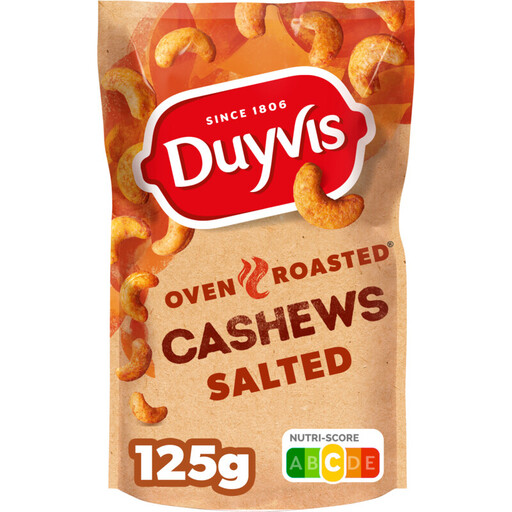 Image unavailable
An option if you’re looking for oven-roasted cashews made without added fat or oil; that doesn’t automatically make the product low in fat.
The product information states that it contains 43 g of fat and 0.92 g of salt per 100 g, with 4–5 servings per pack. The listed allergens are cashews, gluten, wheat and peanuts.
 Image unavailable
An unsalted option if you’re looking for cashews with no other listed ingredients; unsalted doesn’t mean lower in fat.
The ingredients list contains cashews only. The nutritional information states that it contains 46.67 g of fat and 0.067 g of salt per 100 g. Store this variety in a cool, dry place, as stated in the description.
 Image unavailable
An unsalted peanut option; check the ingredients if you want to avoid added fat.
The ingredients list states 99% peanuts and sunflower oil. The nutritional information states that it contains 50 g of fat per 100 g. The product information also notes that it may contain cashews.
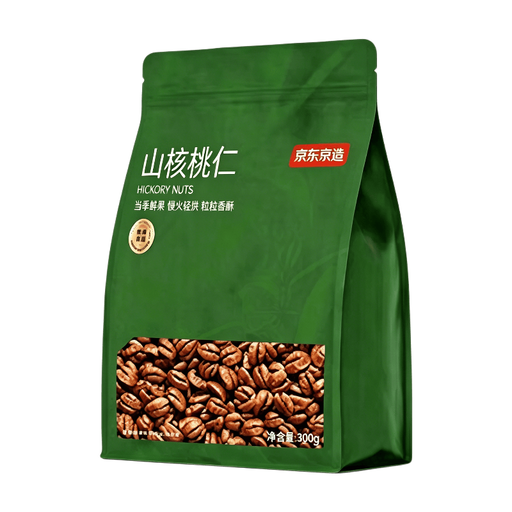 Image unavailable
The description mentions individual portions, which can make portioning easier.
The ingredients list contains hickory nuts, sugar and salt. The nutritional information states that per 100 g, it contains 46.4 g of fat, 1.6 g of salt and 12.4 g of sugars.
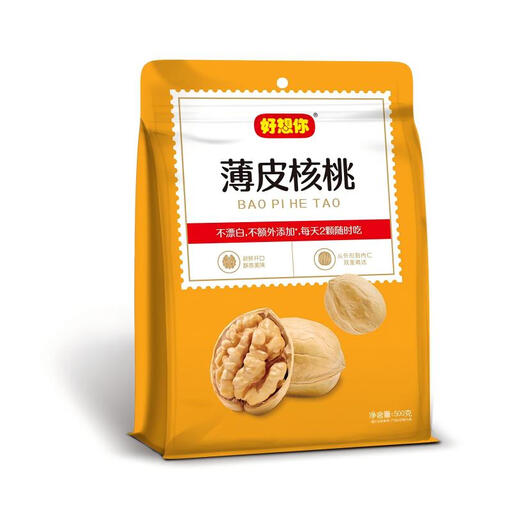 Image unavailable
The pack is divided into 8 packs, but the walnuts are still in hard shells that you’ll need to crack before eating.
The ingredients list contains walnuts only. The nutritional information states that it contains 66.2 g of fat per 100 g; the storage temperature given in the description is 0–4 °C.
No. For solid foods, the Voedingscentrum sets the maximum for a ‘low fat’ claim at 3 g of fat per 100 g. ‘No added fat’ describes how a product is made; check the total fat content of the exact variety separately.
Yes, rules may apply across a school or in specific classes. OBS De Venen sets out rules for particular lower-year classes, so check your child’s school policy. This example does not establish a general rule for the Netherlands.
Since 1 January 2026, the NVWA has been enforcing the new rules for cross-contamination warnings on prepacked food labels. Permitted examples include ‘May contain X’ and ‘Not suitable for people with an X allergy’. These warnings are separate from allergens present as ingredients.
In its information on energy- and protein-enriched diets for children under 4, Amsterdam UMC advises choosing nut butter instead of whole nuts because of the risk of choking. Older children can choke too, so it’s important to eat calmly at the table and stay with them. This is not a legal age limit, and it doesn’t mean nuts are automatically suitable for every eating situation.
No. Albert Heijn lists 25 g as the serving size for the nut mix reviewed; this isn’t universal advice for children. The Voedingscentrum points out that children have different needs.
Follow the instructions for the exact variety. For the mix reviewed, Albert Heijn advises storing it in a cool, dry place and sealing it properly after use. PLUS advises storing the mix reviewed in a dry, dark place.