Start with the ingredient you need to avoid, then check the ingredients and allergen information on the exact pack. Nuts and peanuts are allergens, and the Netherlands Food and Consumer Product Safety Authority (NVWA) says allergen information must appear on the label of prepacked products. If the types of nuts present are suitable for your diet, you can then check the ingredients, salt, any coating and the packaging. Roasted or unsalted doesn’t automatically mean a product is suitable for other dietary restrictions.
Who is this guide for?
Shoppers who check labels for dietary needs
You want to choose a snack for on the go that doesn’t contain a specific ingredient, such as gluten or milk. To do this, compare the ingredients, warnings and relevant claims on the pack with your dietary requirements; the general term ‘free from’ isn’t enough on its own.
Lunch-on-the-go shoppers who can eat the nuts listed
If the nuts present are suitable for your diet, you can then check the pack size, whether it’s resealable and the storage instructions. ALDI’s product information says the 200 g nut mix reviewed comes in a resealable pack.
People who need to avoid nuts
If you need to avoid certain nuts, choosing a different brand or an unsalted version won’t solve the problem. Start by ruling out the relevant ingredients; the Dutch Food Allergy Foundation also distinguishes between peanuts and nuts.
What should you look for when buying?
Plain or unroasted nuts and unsalted mixes
Suitable when: the types of nuts listed are right for your diet and you’re looking for an unsalted nut snack.
Bear in mind: roasted and unsalted tell you nothing about other allergens; check the exact pack.
Coated or marinated peanuts
Suitable when: you want this flavour and texture, and the full list of ingredients suits your diet.
Bear in mind: check the coating or marinade too; the product range or flavour name doesn’t confirm that it’s suitable for a free-from diet.
A different snack if you need to avoid nuts
Suitable when: the nuts present aren’t right for your diet, so you’re looking outside the nut-snack category.
Bear in mind: peanuts are botanically legumes, but that doesn’t automatically make them a suitable substitute for someone who needs to avoid nuts.
If a nut snack might be suitable, compare the ingredients and warnings for the variety you’ve chosen, then check the practical details of the packaging.
| What to consider |
What should you look for? |
Who is this important for? |
| Nuts and peanuts present |
Check the types of nuts listed, peanut ingredients and allergen warnings on the pack. |
If I need to avoid certain nuts or peanuts, I check the ingredients list and label first. Avoiding allergens is the top priority for around 36% of consumers. |
| Specific dietary claim |
Compare the relevant claim and full ingredients list with the foods you need to avoid. |
If gluten, lactose or milk protein is a concern for me, I look specifically for the relevant information. Around 29% of consumers prioritise a specific dietary requirement. |
| Taking it with you and storage |
Check the pack size, whether it can be resealed and the storage instructions. |
For my lunch on the go, I want to know whether the pack is practical to carry and can be stored after opening. Convenience is the top purchasing priority for around 21% of consumers. |
| Salt and extra ingredients |
Check whether salt has been added. If there’s a coating or marinade, check those ingredients too. |
If the nuts are suitable for my diet, I may prefer a simple, unsalted option. Around 14% of consumers prioritise nutritional simplicity. |
Pitfalls when choosing nuts
-
Assuming ‘free from’ means safe for every allergy
Nuts and peanuts are allergens. So a general free-from claim or a different brand name doesn’t confirm that a product is free from the ingredient you need to avoid.
First identify the ingredient you need to avoid, then check the ingredients and allergen information on the exact pack.
-
Confusing lactose-free with milk-protein-free
Lactose intolerance and cow’s milk allergy aren’t the same thing. Haga Hospital explains that lactose and milk protein are different components.
If you need to avoid milk protein, check the ingredients and allergen information; don’t assume a product is suitable just because it’s labelled lactose-free.
-
Checking only the peanut or nut
With coated or marinated peanuts, the coating or marinade may also contain ingredients that are relevant to your choice.
Read the full ingredients list and allergen information for every flavour.
-
Relying on product information you read earlier
Albert Heijn warns that ingredients and dietary or allergy information can change.
Read the pack you’re planning to use. Ask the retailer for clarification if the information on the pack doesn’t match what’s online.
Brands and product ranges to help you choose
Duyvis
The product ranges include peanuts, such as Borrelnootjes and Tijgernootjes.
- The manufacturer describes a range of flavours and preparation methods.
- For coated varieties, check the coating too; the product range doesn’t confirm that a product is suitable for a free-from diet.
Albert Heijn
AH Unsalted Nut Mix is a relevant option to look at if you’re considering an unsalted mix.
- Albert Heijn advises checking the pack before eating.
- An unsalted version isn’t confirmation that a product is free from another allergen.
Jumbo
Jumbo’s official product description for Unroasted Nut Mix 200 g lists walnuts, hazelnuts, cashews and almonds.
- Jumbo lists eight servings and recommends storing the mix in a cool, dry, dark place.
- The mix contains several types of nuts; unroasted and unsalted aren’t allergen claims.
Lidl
Alesto is a range of nuts, dried fruit and savoury snacks.
- The range gives you different types of products to search for.
- A product range page doesn’t confirm the ingredients or allergen status of an individual product.
ALDI
The Trader Joe’s products reviewed include a 200 g nut mix and a 500 g unsalted nut mix.
- ALDI lists a resealable pack for the 200 g nut mix.
- The listed ingredients of the 500 g mix differ from those of the 200 g mix; check the pack for the variety you choose.
PLUS
The unsalted nuts category is a useful place to start your search for this type of product.
- The category helps you find unsalted nuts.
- A category listing doesn’t tell you the ingredients or allergen status of an individual product.
Nut products on Joybuy
These Joybuy products include peanuts, cashews, chestnuts and nut mixes. For each product, check whether the listed ingredients and the full information on the pack suit your diet.
 Image unavailable
g'woon Unsalted Peanuts 250 g
This variety is suitable only if peanuts and the other ingredients listed are right for your diet.
The product information lists 99% peanuts, sunflower oil and possible traces of cashews.
View on Joybuy
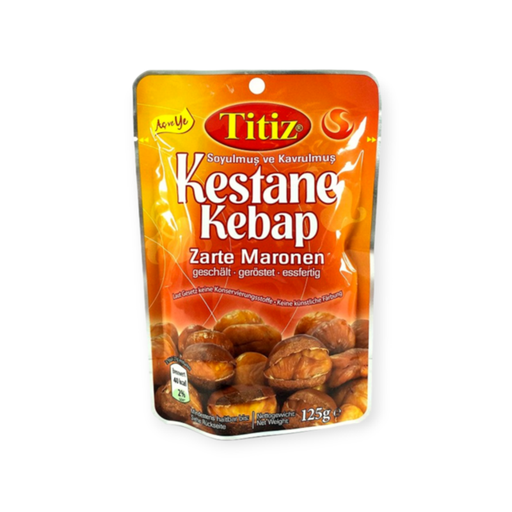 Image unavailable
Titiz Roasted Chestnuts 125 g
An option to take with you if chestnuts suit your diet; the product information describes them as ready to eat.
The ingredients description lists 100% chestnuts. The pack contains 125 g.
View on Joybuy
 Image unavailable
g'woon Cashew Nuts Roasted & Unsalted 200 g
This roasted, unsalted variety is an option only if cashews are right for your diet.
The ingredients information lists cashews as the only ingredient.
View on Joybuy
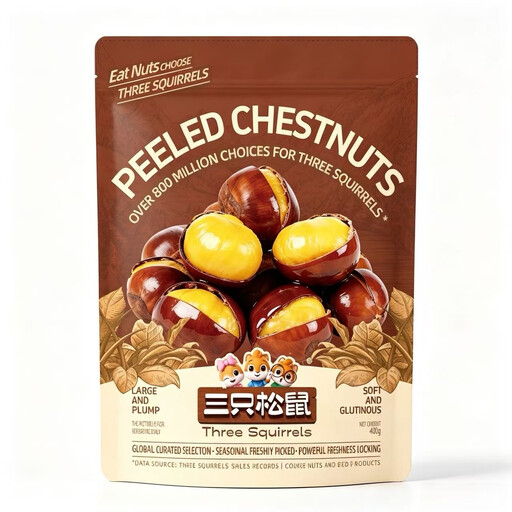 Image unavailable
Three Squirrels New & Unique Sweet Chestnut Kernels 400 g
The product description mentions individual ready-to-eat portions, handy for anyone who wants to take chestnuts along as a snack.
The product information lists chestnuts as the ingredient and gives a total pack size of 400 g. Check the pack for the full ingredients and allergen information.
View on Joybuy
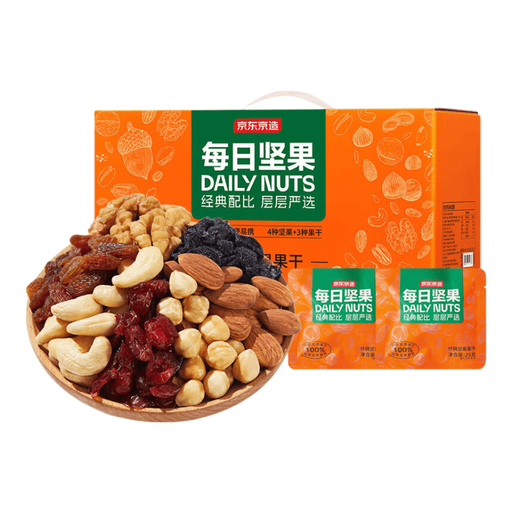 Image unavailable
J.ZAO Classic Daily-Nut Mix 750 g, 30 sachets
The individually packed portions are described as a snack for on the go; choose this mix only if the nuts listed are right for your diet.
The pack contains 30 portions of 25 g. The product information lists walnuts, almonds, cashews, hazelnuts and dried fruit.
View on Joybuy
Frequently asked questions
Are unsalted or unroasted nuts automatically allergen-free?
No. Unsalted and unroasted describe how a product is prepared, not whether it contains allergens. The NVWA treats nuts and peanuts as allergens, so check the information on the pack for the exact variety.
Are the new Dutch rules on warnings about allergens that may be present unintentionally already in force?
Yes. The NVWA gives 1 January 2026 as the start date for new rules on warnings about allergens that may unintentionally get into food. That date has passed; always check the latest product information before making your choice.
Is ‘gluten-free’ just an optional claim on a pack?
No. Implementing Regulation (EU) 828/2014 sets requirements for information about the absence or reduced presence of gluten. The European Commission says the rules have applied since 20 July 2016, including to non-prepacked foods.
If I have a milk allergy, can I just look for ‘lactose-free’?
No. Lactose intolerance and cow’s milk allergy relate to different components: lactose and milk protein. So a lactose-free claim doesn’t prove that a product contains no milk protein; check the ingredients and allergen information.
What should I do if the online product information doesn’t match the pack?
Use the latest information on the pack to make your choice, and ask the retailer for clarification if it differs from the online product information. Albert Heijn warns that ingredients and dietary or allergy information can change.


