What should you look out for?
First identify what you need to avoid, then check the flavour, ingredients and packaging. This helps you avoid confusing a feature such as ‘unsalted’ with allergen information.
| What to consider |
What to check |
Who it matters to |
| The allergen you need to avoid |
Check both the allergens present and any warnings about possible presence on the current packaging. |
If I need to avoid a particular type of nut, peanuts or milk, I check both statements. Around 31% of consumers prioritise avoiding allergens. |
| Gluten information |
Check the gluten-free claim for the exact product variant and review the ingredients in any coating or flavouring. |
I want the gluten information to suit my diet, so I also check for any coating. Around 25% of consumers prioritise avoiding gluten. |
| Lactose or milk |
Distinguish between avoiding lactose and having a milk allergy; check the relevant ingredients and warnings. |
If I avoid lactose, I don’t assume that the same claim tells me anything about milk allergy. Around 19% of consumers prioritise avoiding lactose. |
| Unsalted ingredients |
Check whether the product variant is unsalted and review the nutritional information per 100 g. |
I choose an unsalted snack once I know it meets my dietary and allergen requirements. Around 13% of consumers prioritise unsalted products. |
| Portion size and storage |
Check the pack size and storage instructions after opening; use a securely sealed container when carrying it with you. |
I want to take a portion with me without leaving the rest of the pack open. Around 12% of consumers prioritise portioning and storage. |
Brands and product ranges to compare by variant
The details below apply to the products or product ranges mentioned, not every product from a brand. Always check the exact variant and current packaging.
Duyvis
Borrelnootjes Cocktail is an example of a savoury, coated snack.
- Duyvis lists milk, peanuts and gluten for this Cocktail variant.
- This variant isn’t suitable if you need to avoid the substances listed; the information doesn’t automatically apply to other Duyvis products.
Albert Heijn
AH Notenmix ongezouten 500 g is a product variant explicitly labelled gluten-free and lactose-free.
- Albert Heijn provides the ingredients, allergen information and portion details for this variant.
- The mix contains tree nuts and may contain peanuts, so these claims don’t mean it’s free from all allergens. Product information may change.
Jumbo
Jumbo Noten Mix Ongezouten 200 g is a smaller unsalted variant.
- Jumbo lists the ingredients and distinguishes between allergens present and those that may be present.
- Peanuts are an ingredient in this mix; ‘unsalted’ isn’t a free-from claim.
Lidl
Alesto includes nuts, dried fruit and party snacks; the range helps you distinguish plain nuts from mixed snacks.
- Lidl presents the product categories in its Alesto range.
- A range page doesn’t tell you whether an individual variant is free from a particular allergen; you’ll need information for the specific variant.
ALDI
Trader Joe’s Notenmelange ongezouten 500 g is an unsalted mix of almonds, hazelnuts, walnuts and Brazil nuts.
- ALDI lists the product variant, pack size and the types of nuts included.
- This isn’t a nut-free product; a nutritional label isn’t a guarantee about allergens.
PLUS
PLUS Notenmix ongebrand ongezouten 500 g is an unroasted, unsalted mix.
- PLUS lists the ingredients and storage advice.
- The mix contains several tree nuts, and the product information warns that it may contain peanuts. Vegan and unroasted claims don’t change that allergen information.
Joybuy products for a lunchbox snack
This Joybuy selection includes nut mixes and ready-to-eat chestnut snacks for a packed lunch. One product is explicitly labelled gluten-free; for any other dietary requirement, check the information for the exact variant.
 No image available
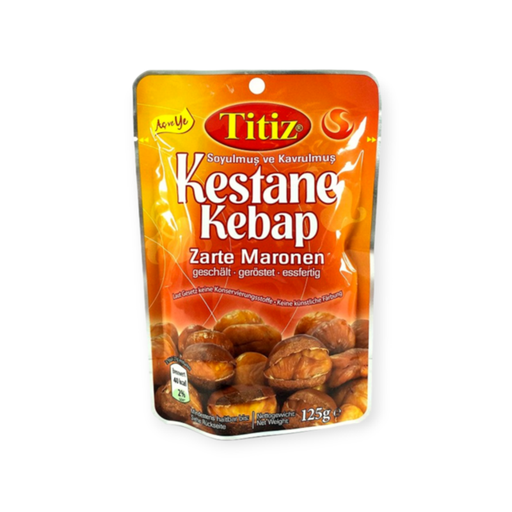
Titiz Roasted Chestnuts 125 g
If you avoid gluten and chestnuts fit your diet, check the gluten-free claim on the exact packaging.
The pack contains 125 g; the product information describes the chestnuts as ready to eat.
Chestnuts are an ingredient; check the current product information for other allergens.
View on Joybuy
 No image available
ChaCha Daily Nuts 115 g (5 × 23 g)
The individual sachets are handy if you want to take a pre-portioned snack with you.
The pack contains five 23 g sachets and lists walnuts, cashews, almonds and hazelnuts.
The pack also contains a desiccant sachet; this isn’t edible.
View on Joybuy
 No image available
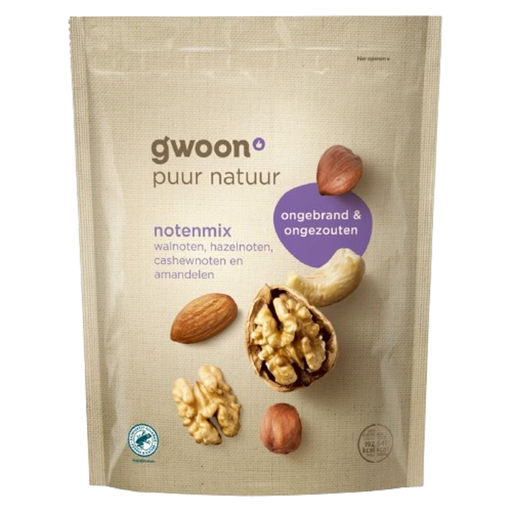
g'woon raw unsalted nut mix 200 g
If you’re looking for a raw, unsalted mix and the nuts listed suit your diet, check the warning about possible traces of peanuts too.
The mix lists hazelnuts, walnuts, almonds and cashews as ingredients.
May contain traces of peanuts.
View on Joybuy
 No image available
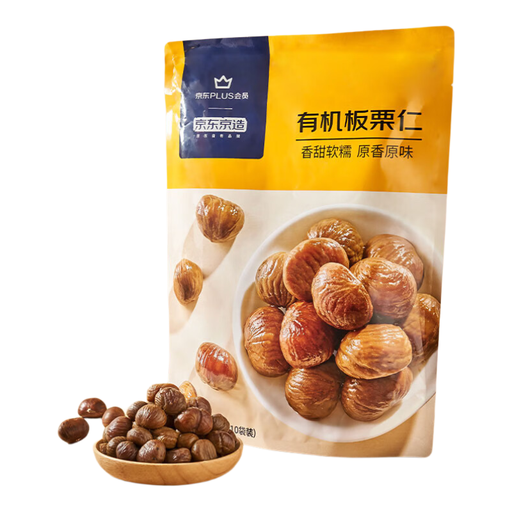
J.ZAO S++ Grade Whole Chestnuts 1 kg (10 sachets)
For several separate snack breaks, this pack contains ready-to-eat peeled chestnuts in individual sachets.
The 1 kg pack is divided into ten 100 g sachets.
Chestnuts are an ingredient; check the exact packaging for information relevant to your diet.
View on Joybuy
 No image available
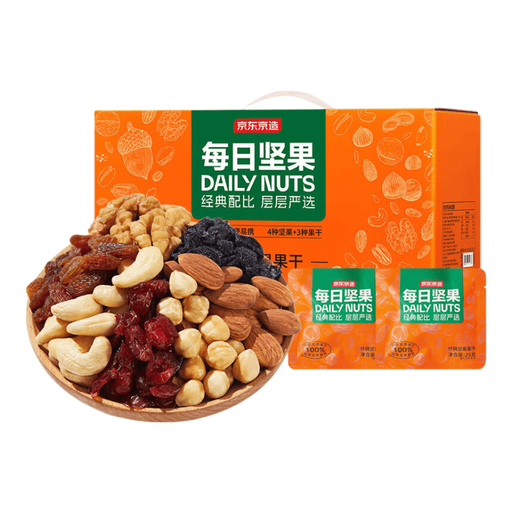
J.ZAO Classic Daily-Nut Mix 750 g (30 sachets)
The portion-sized sachets are handy to take individually when you want a pre-portioned snack.
The pack contains thirty 25 g sachets; the mix also includes dried fruit.
The allergen information lists walnuts, almonds, cashews and hazelnuts.
View on Joybuy
Frequently asked questions
Are peanuts the same as nuts when checking allergens?
No. Peanuts and nuts are separate categories in allergen information. Check both if they’re relevant to you, and don’t assume one automatically covers the other.
Does lactose-free mean a product is suitable for someone with a milk allergy?
No, a lactose-free claim doesn’t by itself mean a product is suitable for someone with a milk allergy. The Netherlands Nutrition Centre explains that lactose intolerance relates to milk sugar, while a milk allergy involves milk proteins. If you have a milk allergy, check the ingredients and relevant warnings.
What Dutch rules apply to ‘may contain’ warnings?
New Dutch rules on warnings about the unintended presence of allergens have applied since 1 January 2026. According to the NVWA, a risk assessment must determine whether reference values could be exceeded. The permitted wording is ‘May contain X’ and ‘Not suitable for people with an X allergy’. These are labelling rules for businesses, not a personal guarantee that a product is suitable for everyone.
Is ‘gluten-free’ just a marketing term?
No. The requirements for ‘gluten-free’ and ‘very low gluten’ claims are set out in EU Implementing Regulation 828/2014. The European Commission explains that the rules also apply to non-prepacked food; a gluten-free claim doesn’t mean a product is free from other allergens.
How should you pack nuts and store an opened bag?
Pack the amount you need in a securely sealed container and follow the label instructions. The Netherlands Nutrition Centre recommends storing nuts in a dry, tightly sealed container. Albert Heijn advises keeping its nut mix in a cool, dry place and closing the pack after use, while PLUS recommends storing its mix in a dry, dark place.


