
You avoid a specific allergen
First check whether the nuts, peanuts and possible cross-contamination warnings are relevant to what you need to avoid. A general label such as ‘allergen-free’ doesn’t answer that question.


Start with the specific ingredient you need to avoid: peanuts and tree nuts are separate allergens, and an unsalted or vegan option isn’t automatically suitable if you have an allergy. If you can eat the ingredients in question, check the information on the exact packaging, including any risk of cross-contamination. A gluten-free label only answers the question about gluten.
First check whether the nuts, peanuts and possible cross-contamination warnings are relevant to what you need to avoid. A general label such as ‘allergen-free’ doesn’t answer that question.
Check the gluten-free information for the exact product variant. On its own, that label says nothing about other allergens, such as nuts or peanuts.
If you can eat the ingredients, an unsalted option could work well for your desk lunch. A resealable pack or a pre-measured portion makes it easier to take with you and store.
Check any dietary requirements first, then consider the salt content, portion size and packaging.
| What to consider | What to look for | Who is this important for? |
|---|---|---|
| Avoiding the right allergen | Read both the ingredients list and the warning about possible cross-contamination on the exact packaging. | If I avoid a particular allergen, I also want to know whether the product may have come into contact with it. Around 39% of consumers prioritise avoiding a specific allergen. |
| Checking gluten separately | Look for information about the exact variant; ‘unroasted’ and ‘unsalted’ don’t answer the question about gluten. | If avoiding gluten is my main dietary requirement, I check the product information separately from the allergen information. Around 23% of consumers prioritise avoiding gluten. |
| Choosing unsalted | Compare the exact unsalted variant and its nutritional information per 100 g; ‘unsalted’ says nothing about allergens. | If I want to eat unsalted snacks, I choose one only after checking that I can eat the ingredients. Around 23% of consumers prioritise this dietary choice. |
| Portion size and packaging | Check the pack size, whether the bag is resealable and the storage instructions on the packaging. | For a quick desk lunch, I want something I can take with me and portion out without leaving the rest open. Around 15% of consumers prioritise convenience when taking food with them. |
A label about one ingredient doesn’t tell you whether a product is suitable if you need to avoid another allergen. Nuts and peanuts are allergens themselves.
First identify the specific ingredient you need to avoid, then check the information for the exact product.
AH Unsalted Nut Mix and PLUS Unroasted Unsalted Nut Mix state that the product may contain peanuts, even though peanuts aren’t listed as an ingredient.
Check the warning about possible cross-contamination as well as the ingredients list.
A vegan label doesn’t replace checking the allergen information. Lactose intolerance and milk allergy are also different conditions.
If you have a milk allergy, check specifically for information about milk and possible cross-contamination.
Pack sizes can vary considerably. A larger bag may be less suited to your eating habits if you don’t portion out the contents.
Measure out the amount you want to take with you and seal the rest carefully, following the instructions on the packaging.
A larger pack calls for a storage routine and may not be the best fit if you won’t use the contents in time.
Duyvis describes a separate unsalted peanut variant.
AH Unsalted Nut Mix 500 g is a larger pack containing a variety of nuts.
Jumbo Unsalted Nut Mix 200 g combines peanuts with a variety of tree nuts.
Lidl sells product ranges under the Alesto brand, including nuts, dried fruit and party snacks.
ALDI describes a 200 g pack of unroasted Trader Joe’s Nut Mix.
PLUS Unroasted Unsalted Nut Mix 200 g is an unroasted mix that PLUS labels as vegan.
These products are examples for people who can eat the ingredients listed: unsalted peanuts and nuts, as well as a chestnut snack whose product information states that it is gluten-free. None of these claims guarantees suitability for someone with another allergy.
 No image available
An option if you can eat peanuts and are looking for an unsalted snack.
The product information lists 99% peanuts and sunflower oil; the product is unsalted. It contains peanuts and may contain cashews.
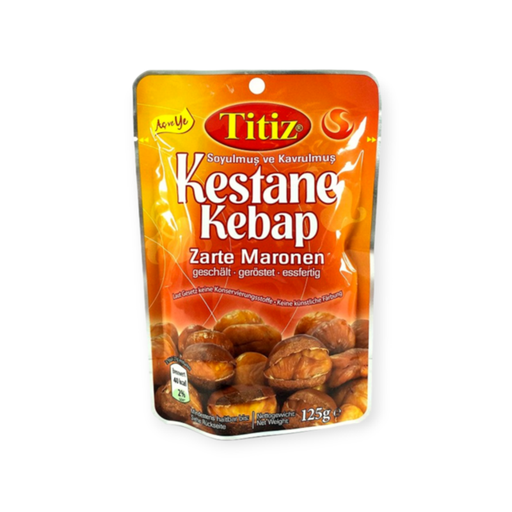 No image available
A chestnut snack to take with you if you can eat chestnuts.
The product information lists 100% chestnuts and states that the product is gluten-free. Check the information on the packaging if you also need to avoid other ingredients.
 No image available
A simple snack option if you can eat almonds.
The product information lists 100% almonds and 0.00 g of salt per 100 g; almonds are listed as an allergen.
 No image available
A suitable snack option if you can eat cashews and prefer an unsalted choice.
The product title and product information describe roasted, unsalted cashews. Cashews are listed as an ingredient and an allergen.
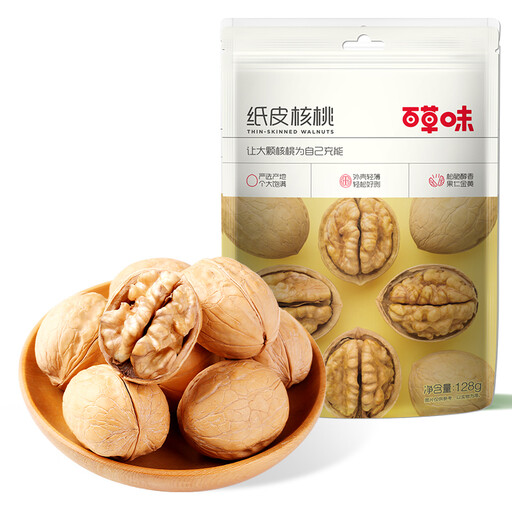 No image available
An option to take with you if you can eat walnuts.
The product information lists walnuts and a pack size of 128 g. Walnuts are listed as an ingredient and an allergen.
Not without checking the exact product and what you personally need to avoid. Peanuts and tree nuts are different allergens, but PLUS product information for the 235 g pack of Duyvis Unsalted Peanuts states that it may contain nuts.
No. Lactose intolerance affects the digestion of milk sugar; a milk allergy is a reaction to milk proteins. So don’t use a lactose-free label as proof that a snack is suitable for someone with a milk allergy.
Since 1 January 2026, new rules have applied in the Netherlands for warnings about possible cross-contamination. The NVWA specifies the wording ‘May contain X’ and ‘Not suitable for people with an X allergy’. The absence of such a warning isn’t a personal guarantee that there’s no risk.
Yes. The NVWA states that there is a legal requirement to provide information about the 14 specified allergens. For prepacked products, allergen information must appear on the label; peanuts and nuts are separate allergens.
Keep nuts dry and in a tightly sealed container. Voedingscentrum recommends storing them in a cool place if possible. Also follow the storage and shelf-life information on the packaging of your product.