
Ready to take with you
You want a pack you can pop straight into your bag to have with your desk lunch. Check the weight per bag and the difference between one bag and a multipack.


If you want something you can take with you without any preparation, choose a small pre-packed portion. If you prefer unsalted nuts and want to decide how much to take, a larger mix that you portion in advance may suit you better. Compare the weight of the whole pack with how much you actually want to eat: a small bag is not automatically a recommended portion. Nuts can complement your lunch, but they do not automatically make a complete meal.
You want a pack you can pop straight into your bag to have with your desk lunch. Check the weight per bag and the difference between one bag and a multipack.
You want unsalted nuts and would rather decide for yourself how much to take. A larger pack means planning ahead and finding somewhere to store the remainder.
You want to know which nuts or peanuts are included and whether any other allergens are relevant to you. If you have a food allergy, always rely on the ingredients and allergen information on the specific pack; the brand name alone is not enough.
First decide whether you want something ready to take with you or would rather portion it yourself. Then check the ingredients and allergen information on the pack.
| What to consider | What to look for | Who is this important to? |
|---|---|---|
| Ready to take with you | Check the weight per bag and how many bags are in the pack. | If I want to pop something into my bag without any preparation, I look at the pack size and how it is sold. Around 36% of consumers prioritise convenience when taking food with them. |
| Unsalted ingredients | Look for the word ‘unsalted’ and read the ingredients list. | If you specifically choose unsalted nuts, you’ll want to see that confirmed on the pack. Around 28% of consumers prioritise unsalted nuts. |
| Portioning it yourself | Check the net weight and follow the storage instructions for the remainder. | If you want to get several portions from one pack, bear in mind that you’ll need to portion and store them yourself. Around 18% of consumers prioritise portioning their own nuts. |
| Ingredients and allergens | Read the ingredients and allergen warnings on the specific pack. | If certain nuts or peanuts are unsuitable for you, check the exact ingredients. Around 18% of consumers prioritise ingredient suitability. |
Duyvis lists a 60 g salted peanut product, but the weight of a retail pack is not a recommendation for how much you should eat.
Decide how much you want to eat first, then check the net weight of the pack.
Duyvis describes Borrelnootjes and Tijgernootjes as peanuts in a coating. The ingredients for ordinary salted peanuts are different.
Compare the product type and ingredients list, not just the brand name.
The warnings from Albert Heijn and the NVWA concern specific products and best-before dates, not all the nuts sold by that supermarket.
Check the product name and best-before date on the pack, and follow the instructions for the relevant warning. Do not eat an affected product.
Duyvis lists a 60 g pack of salted peanuts, for anyone looking for a small pre-packed portion.
Albert Heijn’s range page lists a 500 g unsalted nut mix for anyone who wants to portion it themselves.
Jumbo lists a 200 g unsalted Nut Mix, a larger pack to portion yourself.
Lidl describes a 200 g bag of unroasted, unsalted nut mix.
The Aldi product description reviewed is for an unsalted Trader Joe’s nut mix.
Plus lists a 200 g unsalted Nut Mix in a stand-up pouch, intended for portioning yourself.
This selection includes larger packs for portioning yourself and packs containing individual bags to take with you.
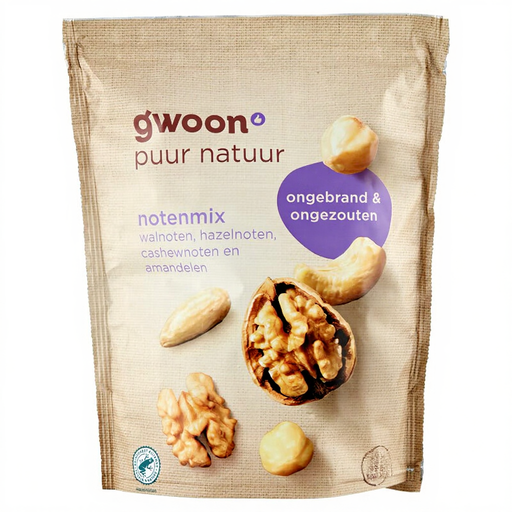 No image available
Suitable if you want to portion unsalted nuts yourself; the product name describes a 500 g unroasted nut mix.
The product information lists hazelnuts, walnuts, almonds and cashews; the mix may contain traces of peanuts and other nuts.
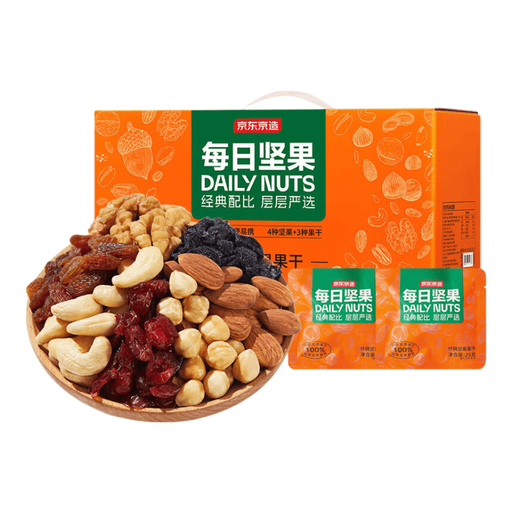 No image available
Suitable if you want to take a nut and dried fruit mix with you in individual sachets; the product name states that the 750 g pack contains 30 sachets.
The product information lists walnuts, almonds, cashews and hazelnuts.
 No image available
Suitable if you want to buy an unsalted mix and decide how much to have with lunch; the product name states that it contains 200 g.
The product information lists peanuts and several types of nuts. Check the ingredients if you need to avoid specific nuts or peanuts.
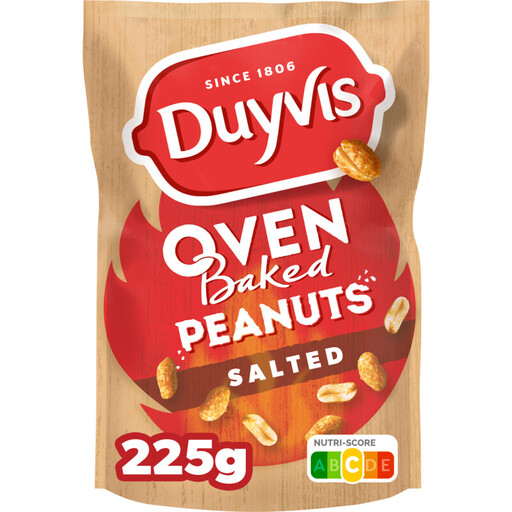 No image available
The product name indicates that these are roasted peanuts; the product information says they are suitable for eating straight from the pack.
The product information lists peanuts and notes that other nuts may also be present.
Don’t automatically assume that a bag of nuts makes a complete lunch. Have it as part of a varied lunch; the Voedingscentrum suggests options including brown or wholemeal bread and a wholemeal wrap.
Follow the storage instructions on the pack. For mixed salted nuts, the Voedingscentrum’s storage guide gives separate advice and lists rancidity, a chewy texture and mould as signs of a loss of quality or spoilage. Don’t assume this advice applies to every other nut mix.
Check the allergen information on the label of the specific product. The NVWA states that pre-packed products must include allergen information and that peanuts and nuts are listed separately. Dutch rules have also applied since 1 January 2026 to warnings about allergens that may accidentally get into a product.
Compare the product name and best-before date with the specific warning, then follow the instructions given. Albert Heijn recalled AH Extra Large Salted Peanuts in a Tub with a best-before date of 04-11-2026; do not eat the affected product and follow Albert Heijn’s instructions. The NVWA warning for ALDI Trader Joe’s Unsalted Cashew Nuts 170 g applies to products with a best-before date of 23-09-2026 and barcode 2003020120930. That best-before date has passed, but check the warning if you still have a pack like this.
No, a larger size alone doesn’t mean it will. Compare the current price per equal unit of weight, then work out the cost of the amount you want to take with you.