
Planning your lunch supplies
You regularly take nuts with you to campus and want to portion out a larger bag at home, without buying more than you’ll use.


A larger bag can work well for your campus lunch if you take nuts with you regularly and will use the whole pack. To compare value, look at the price per kilo and cost per portion for the same type of product. If you only take nuts with you occasionally, a smaller pack may better suit how much you use. Check the ingredients, preparation method, allergen information and storage instructions for the specific pack too.
You regularly take nuts with you to campus and want to portion out a larger bag at home, without buying more than you’ll use.
You’re looking for unsalted nuts and want to tell the difference between a nut mix, peanuts and different preparation methods.
You don’t eat nuts with every lunch and are looking for a smaller pack that better suits how much you use.
First compare the ingredients and how much you’ll actually use. Then consider whether a larger pack suits your supplies and storage space.
| What to consider | What should you look for? | Who is this important to? |
|---|---|---|
| Cost per portion you use | Compare the price per kilo for the same type of nuts, then work out the cost for the portion you take with you. A larger bag isn’t automatically better value if you won’t use it all. | If I mainly want to know how much my portions cost, I compare the same type of product and calculate the cost for my own portion size. Around 36% of consumers prioritise the cost per portion they use. |
| Unsalted and preparation method | Read the ingredients and check separately whether the nuts are unsalted, unroasted or roasted. Duyvis also describes fried unsalted peanuts. | If I’m looking for unsalted nuts, I also want to know how they’re prepared and whether I’m buying a mix or peanuts. Around 29% of consumers give ingredients top priority. |
| Quantity and storage | Choose a pack size that suits how often you take nuts with you, and check the storage advice on the pack. The Netherlands Nutrition Centre’s Storage Guide recommends keeping mixed unsalted nuts in a kitchen cupboard for six months or in the freezer for one year; also follow the instructions on the pack. | If I only take nuts with me occasionally, I don’t want to buy more than I can store properly at home. Around 21% of consumers mainly choose a quantity that suits their needs and storage space. |
| Allergen information | Check the current allergen information for the exact pack. For loose products, the seller must provide this information to consumers in another way, according to the Netherlands Food and Consumer Product Safety Authority. | If allergens are important to me, I want to be able to check the information for the exact mix before buying. Around 14% of consumers prioritise allergen information. |
The name of a pack doesn’t tell you how it compares with smaller packs or products with different ingredients.
Compare the price per kilo for the same type of nuts, then choose a quantity that suits how much you use.
Unsalted doesn’t automatically mean unroasted. Duyvis describes unsalted peanuts that are made by frying; some other products list both characteristics separately.
Check the preparation method and ingredients separately from the salt information.
A brand or mix name won’t tell you whether the exact pack is suitable for you. Allergen information for pre-packed products is shown on the label; for loose products, the seller must make this information available in another way.
Read the pack label. If you’re buying loose nuts from a canteen, ask about allergen information before you buy.
Duyvis product information includes a separate range of unsalted peanuts.
Albert Heijn’s category listing includes unsalted nut mixes in 500 g and 200 g packs.
Jumbo’s official product information lists a 500 g mix of unroasted nuts.
Lidl lists a 200 g mix of unroasted, unsalted nuts.
ALDI’s product page describes a 500 g pack of unsalted TRADER JOE’S mixed nuts containing almonds, hazelnuts, walnuts and Brazil nuts.
PLUS product information lists a 500 g stand-up pouch of unroasted, unsalted mixed nuts.
This selection includes peanuts, nut mixes and individual types of nuts in 250 g and 500 g packs. Check the ingredients, preparation method and storage instructions for each product.
 No image available
A smaller pack for anyone looking for peanuts rather than a nut mix.
The product information lists unsalted peanuts, 99% peanuts and sunflower oil. May contain traces of cashews.
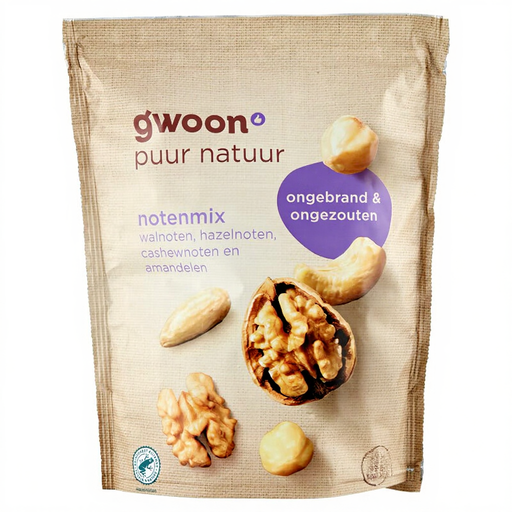 No image available
A larger mix that you can portion out for your lunch.
The mix contains 30% hazelnuts, 30% walnuts, 20% almonds and 20% cashews. May contain traces of peanuts and other nuts; after opening, store in a cool, dry place in a tightly sealed pack.
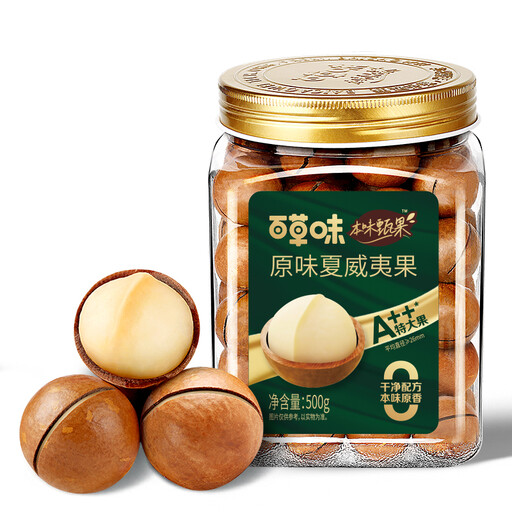 No image available
A pack containing one type of nut, for anyone who wants to take macadamia nuts along for lunch.
The product description lists 100% macadamia nuts, with no added salt, sugar or seasoning. The product information recommends consuming the contents immediately after opening.
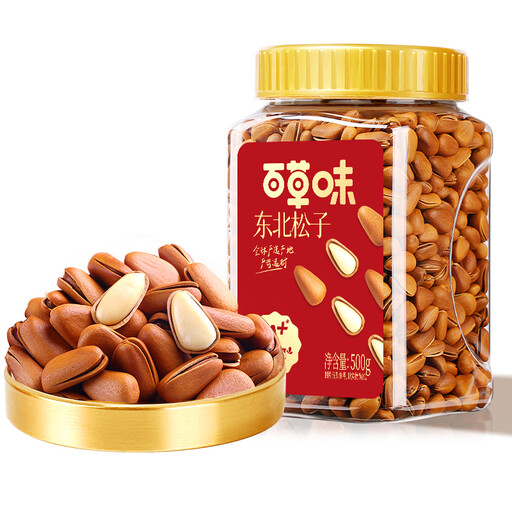 No image available
A larger pack of a specific type of nut, for anyone who prefers pine nuts to a mixed nut selection.
The product information lists roasted pine nuts, at least 98% pine nuts and palm oil. The product information recommends consuming the contents immediately after opening.
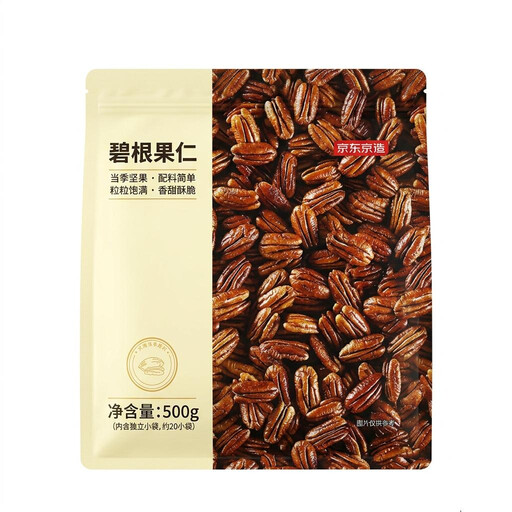 No image available
A pack of pecans for anyone who wants to take a particular type of nut with them.
The product information lists 87.6% pecans, as well as sugar and salt. So this is not an unsalted pecan product.
Compare the current price per kilo for the same type of nuts, then work out the cost for the portion you use. Also consider whether you’ll use the whole pack: a lower price per kilo and a lower cost per portion you use aren’t automatically the same thing.
At 25 g per portion, you can divide 500 g into exactly 20 portions. This is a calculation to help you plan your supplies, not personalised dietary advice.
For mixed unsalted nuts, the Netherlands Nutrition Centre’s Storage Guide gives general advice of six months in a kitchen cupboard or one year in the freezer. Also follow the instructions on the pack and don’t eat mouldy or rancid nuts; the Storage Guide also lists a chewy texture as a sign of declining quality.
No, unsalted and unroasted don’t mean the same thing. Duyvis explains that peanuts may be salted after frying, so unsalted peanuts are also available. Check the preparation method separately if you’re looking for unroasted nuts.
For pre-packed products, allergen information is shown on the label. For loose products, the seller must provide this information to consumers in another way. Ask before you buy if you need this information.