
Mindful snackers
You want to eat less fat at each snacking occasion while camping. So compare the label with the amount you plan to eat, rather than relying on terms such as ‘oven roasted’.


If you want to eat less fat at each snacking occasion, compare the fat content per 100 g with the amount you actually eat. Choose unsalted nuts if avoiding added salt is your main priority, but bear in mind that unsalted or made without added oil doesn’t mean low in fat. For solid foods, the European Commission sets a maximum of 3 g of fat per 100 g for a ‘low fat’ claim.
You want to eat less fat at each snacking occasion while camping. So compare the label with the amount you plan to eat, rather than relying on terms such as ‘oven roasted’.
You’re looking for nuts with no added salt and want to know what ‘unsalted’ tells you about salt, and what it doesn’t tell you about fat or added oil.
You want to choose a pack you can finish during your stay and store the contents in a dry, dark place, sealed tightly, and in line with the product instructions.
First check the fat per 100 g and the portion you plan to eat. Then look separately at the ingredients, salt content and storage instructions.
| What to consider | What to look for | Who is this important for? |
|---|---|---|
| Fat per snacking occasion | Compare the fat per 100 g and use the same portion size you plan to eat. | If you want to keep track of your fat intake at each snacking occasion while camping, check both the label and your portion. Around 40% of consumers prioritise eating less fat per snacking occasion. |
| Unsalted ingredients | Check the salt content and ingredients separately; unsalted doesn’t automatically mean made without oil. | If avoiding added salt is your main priority, compare the ingredients and salt content of the exact product variant. Around 30% of consumers prioritise an unsalted option. |
| Packaging and storage | Check the net weight and storage instructions for after opening. | If you have limited space at the campsite, choose an amount you can finish and store as stated on the label. Around 30% of consumers prioritise practicality when taking and storing snacks. |
These terms describe how a product is prepared or how much salt it contains; they don’t automatically indicate its fat content. Duyvis’s product page lists 50 g of fat per 100 g for Oven roasted almonds; Jumbo lists 48.6 g per 100 g for unsalted cashew nuts.
Check the fat per 100 g, and also check the salt, ingredients and preparation method on the pack of the variant you choose.
Albert Heijn’s historic Duyvis Sweet Paprika page compared the claim with average plain peanuts in a crispy coating. This isn’t a comparison with every type of nut or any other snack.
Keep the stated basis for comparison in mind, and also check the nutritional information on the exact pack.
The 125 g pack of Duyvis Oven roasted almonds lists an average portion of 30 g and 4–5 portions per pack.
Decide in advance how much you want to eat in one sitting, then seal the rest according to the product instructions.
Packaging and storage advice vary by product. Bewaarwijzer recommends storing opened borrelnootjes in a kitchen cupboard for 2–5 days. This timeframe isn’t a guarantee for warm camping conditions or other types of nuts.
Choose an amount that suits how much you’ll eat and follow the storage instructions for your chosen product. If you can’t finish or store the contents properly in time, they may go to waste.
Useful for comparing borrelnootjes with a reduced-fat claim and oven-roasted nuts.
The own-brand range includes unsalted and unroasted nut mixes, among other products.
Jumbo Cashewnoten Ongezouten is a specific example for anyone looking for cashews with no added salt.
Its own-brand Alesto range includes various types of nuts, including cashews.
Trader Joe’s Notenmelange is an unsalted mix in a 500 g pack.
PLUS Cashewnoten ongezouten fairtrade is a specific example for anyone looking for unsalted cashews.
These Joybuy products are examples of nuts and snacks you can take with you. The information shown varies by product variant; a lower fat content than another snack doesn’t automatically mean a product is low in fat.
 No image available
For anyone looking for roasted cashews with no added fat or oil; the product description lists 43 g of fat per 100 g.
The pack is 125 g and lists 4–5 portions.
Contains cashews.
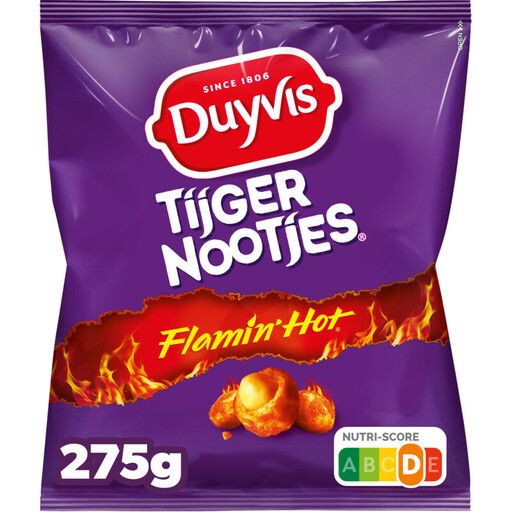 No image available
A seasoned peanut snack to take with you; the nutrition table lists 33 g of fat per 100 g.
The product description mentions a double coating.
Contains peanuts and wheat; may contain milk, nuts, soya and mustard.
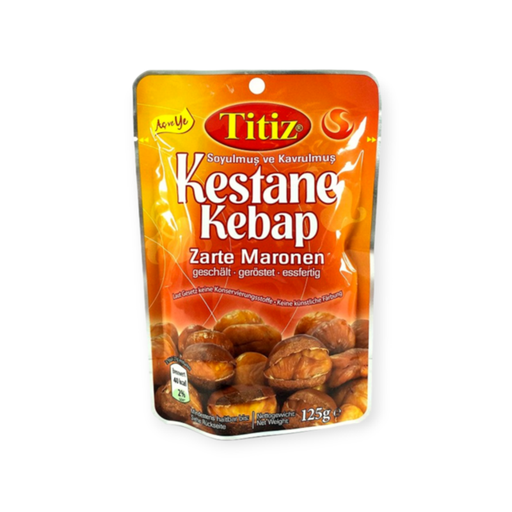 No image available
For anyone looking for a ready-to-eat chestnut snack to take along; the product information describes peeled, roasted chestnuts.
The pack is 125 g. The product description recommends storing it in a cool, dry place.
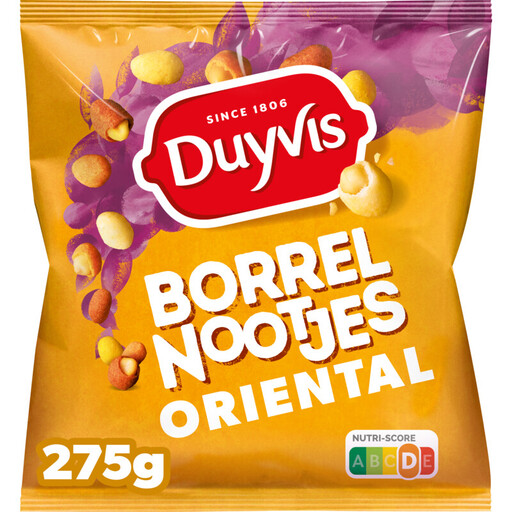 No image available
For anyone looking for a savoury snack to take on the go; the nutrition table lists 34 g of fat per 100 g.
The product information describes peanuts with a crispy coating and curry flavour.
Contains peanuts, wheat, barley and soya; may contain milk, nuts and mustard.
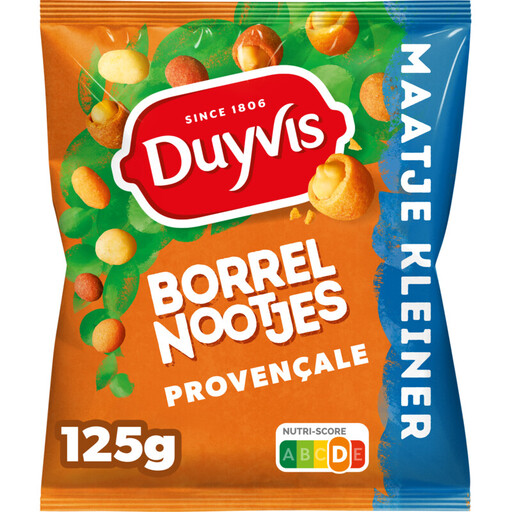 No image available
For anyone comparing measured snack portions; the nutrition table lists 33 g of fat per 100 g.
The product information lists 30 g portions and 4–5 portions per pack.
Contains peanuts and wheat; may contain milk, nuts, soya and mustard.
For solid foods, the European Commission sets a maximum of 3 g of fat per 100 g for a ‘low fat’ claim. This is a requirement for using the claim, not a recommended daily amount.
No. Made without added oil describes how a product is prepared, not its total fat content. The product description for Duyvis Dry Roasted Cashews lists 43 g of fat per 100 g.
Not for Albert Heijn’s Duyvis Oven roasted almonds: the product page lists an average portion of 30 g and 4–5 portions per pack. Use the amount you plan to eat when comparing portions.
Follow the instructions for the product you’ve chosen. For Duyvis Oven roasted almonds, Albert Heijn recommends storing them in an airtight, lightproof container after opening. Bewaarwijzer recommends storing opened borrelnootjes in a kitchen cupboard for 2–5 days; this isn’t a guarantee for warm camping conditions or other types of nuts.
Check the ingredients and allergen information on the exact pack. The Netherlands Food and Consumer Product Safety Authority says allergens must be clearly distinguished in the ingredients list. Joybuy’s product information for Duyvis Tiger Nuts Flaming Hot lists peanuts and wheat, and states that it may contain milk, nuts, soya and mustard.