
Vandaag of morgen in huis

Kwaliteit gegarandeerd

Welkomstaanbiedingen ontgrendelen: GRATIS bezorging | Tot 80% korting | Gratis 30 dagen JoyPlus-proefperiode
Download de app
A bag of nuts and snacks seems easy enough to choose, until you are standing in front of the shelf or browsing an online product page. Is a larger pack better value, or does it simply make it easier to eat too much? Does a Japanese mix mainly contain nuts, or mostly coating? And is a spicy seafood snack suitable for everyone at the table?
With these checks, you can compare flavour, size, ingredients and occasion without relying solely on eye-catching marketing claims.
A product with “nut mix” in its name may contain relatively large amounts of starch, grains or coating. So check the ingredients list in descending order. If peanuts, cashews or another nut appear only after starch or sugar, the mix probably contains a smaller proportion of them.
With cocktail nuts and coated nuts, it is especially important to check what percentage consists of peanuts and how much is made up of oil, seasoning mix or a crunchy coating.
A mild flavour says nothing about the salt content. A snack that is relatively high in protein may also contain sugar, syrup or a high amount of carbohydrates. Ideally, compare the nutritional values per 100 grams and look at:
A small portion may look high per 100 grams, while the total amount per pack is limited. Conversely, a 300 or 500-gram bag may contain several servings without you realising it.
Nuts, peanuts, milk, soya, gluten, fish, crustaceans and molluscs are regularly found in this product category. Always check the current packaging, even if a product previously appeared suitable. In some product information, the ingredients and allergens may not align fully or clearly. The labelling on the packaging should therefore be treated as definitive.
For a party or drinks gathering, 250 to 300 grams is a practical amount to share. For a snack on the go, smaller portions are more convenient. The ChaCha Daily Nuts, for example, consists of five 23-gram bags. This makes it easier to portion out than a large resealable pack.
A resealable jar or bag is useful if you plan to serve the product several times. Seal the packaging properly after opening and store nuts and snacks somewhere cool and dry, away from direct sunlight. This helps to limit moisture absorption and loss of flavour.
Choose according to the occasion:
A product containing fish or seafood is not suitable for people with allergies to fish, prawns, crab, squid or molluscs. Several of these allergens are listed for the BENTO snacks. Nut mixes may contain various tree nuts and peanuts. Also check warnings such as “may contain traces of”.
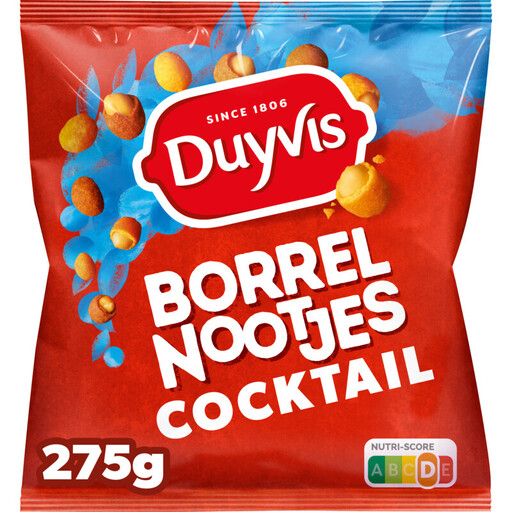
Why it suits this profile: A familiar portion for drinks gatherings and entertaining, with around 9 to 10 30-gram servings according to the product information.
The portion information helps you assess the contents. However, check the listed allergens: peanuts, milk and cereals containing gluten are indicated.
275 grams, suitable for sharing; 15 grams of protein and 1.4 grams of salt per 100 grams according to the product information.
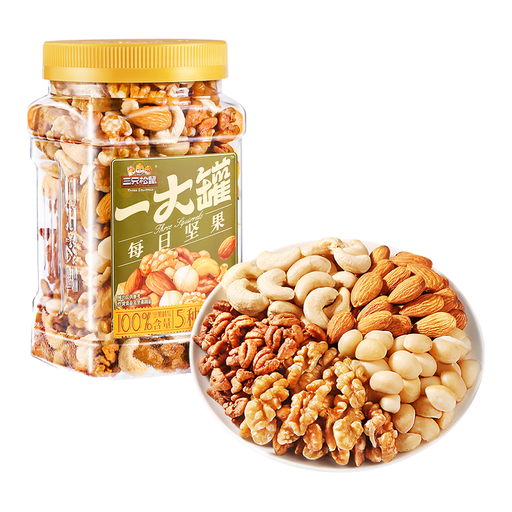
Why it suits this profile: For anyone looking for several types of nuts and a generous supply, without a coating mix as the main ingredient.
The ingredients list gives specific percentages: walnuts 38%, cashews 32% and almonds 18%, alongside pecans and macadamias.
500 grams in a resealable pack; 19.2 grams of protein and 0.1 grams of salt per 100 grams according to the product information.
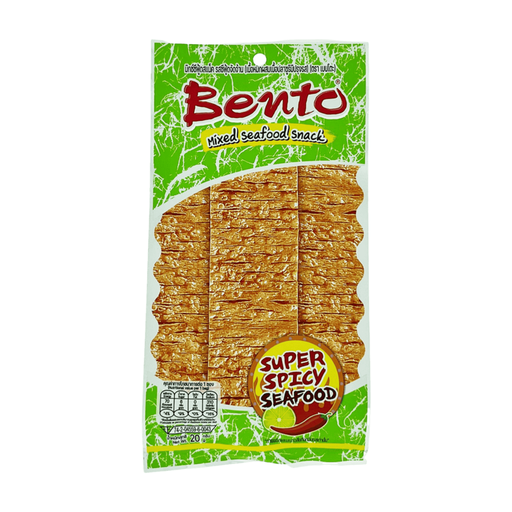
Why it suits this profile: A compact choice for lovers of intense Asian flavours, on the go, while travelling or at a drinks gathering with several snacks.
The 20-gram pack means you do not have to buy a large bag of an intensely flavoured snack. However, note the 2.8 grams of salt per 100 grams and the listed allergens.
Ready to eat; according to the product information, it contains squid, fish and prawns and provides 18 grams of protein per 100 grams.
We have put together a complete, up-to-date list of products that fully meet these strict selection criteria and the applicable European safety regulations.
For a sweet-and-savoury combination, consider g'woon Cashew Nut Cranberry Mix - 200g. According to the product information, it consists of 50% cashews and 50% sweetened dried cranberries. The salt content is listed as 0 grams per 100 grams, while the sugar content is 32.5 grams. This makes it particularly suitable for anyone deliberately choosing a sweeter mix.
For a spicy drinks accompaniment, g'woon Japanese Mix - 250g and Duyvis Oriental Borrelnootjes - 275 g are logical categories to compare. According to the ingredients list, the Japanese Mix contains peanuts, maize, sesame and a sauce with soya and wheat, among other ingredients. Duyvis lists peanuts, gluten and soya as allergens. Check the packaging before serving.
If you want to combine different types of party snacks, you can complement nuts with Chio Party Mix - 250 g. This is a mix of crackers, breadsticks and pretzels, containing wheat, milk and sesame, among other ingredients. This gives you another texture to offer alongside coated nuts.
Small, resealable portions are practical. A 23-gram portion pack is easy to take with you and helps you decide the amount in advance. In warm weather, check that the packaging remains properly sealed and do not leave snacks in direct sunlight for long periods.
Unsalted nuts generally contain less added salt, but what is “better” depends on your taste and the occasion. Compare the label and choose a mix that suits your preferences. With cashews with cranberry, you should check not only the salt but also the added sugar in the dried fruit.
Follow the best-before date on the packaging. Once opened, store the product somewhere cool and dry, and keep it well sealed. A jar or bag with a resealable closure is useful when you are not using the contents all at once. Discard the snack if the packaging is damaged or if its smell, taste or texture has clearly changed.
