
Households with daily snack times
You’re looking for a supply of unsalted nuts that you can portion out at home and store properly. The Netherlands Nutrition Centre advises storing nuts in a sealed container in a cool, dark, dry place.


For an everyday after-school snack, an unsalted option is a good choice. A large bag is most practical if your household gets through it regularly. Compare the price per kilo of products with the same ingredients and preparation, and store opened nuts in a sealed container in a cool, dry place. Before buying, also check the label, the age of the person eating them and the rules at their school or after-school club.
You’re looking for a supply of unsalted nuts that you can portion out at home and store properly. The Netherlands Nutrition Centre advises storing nuts in a sealed container in a cool, dark, dry place.
You want to know where your child is allowed to eat the snack, and which age and allergen information is relevant. The published policy of OBS Brinkschool and Stichting Baasis also covers childcare at the locations named; check the rules at your own school or after-school club.
You’d rather buy a smaller amount before choosing a larger supply, and you pay attention to the difference between plain nuts and mixes with fruit. For example, ALDI describes a 200 g fruit and nut mix.
Choose the pack size based on how much you expect to use, then check the ingredients, storage instructions and where the snack will be eaten.
| What to consider | What should you check? | Who is this for? |
|---|---|---|
| Usage and value | Net weight, price per kilo for the same types and preparation, and how much your household uses. | If I’m stocking up for several family members, I want to know whether we’ll finish the contents before the bag has been open for too long. Around 29% of consumers put using up supplies and cost at the top of their list. |
| Ingredients | The unsalted label, ingredients, types of nuts listed and any coating or added fruit. | If I’m looking for a simple ingredient list, I want to distinguish between unsalted nuts and, for example, peanuts with a crunchy coating. Around 29% of consumers base their choice mainly on the ingredients. |
| Who’s eating them and where | The person’s age and the form of the snack, allergens on the exact pack, and the school or childcare provider’s policy. | If I need to consider a child’s age, allergens or school or after-school club rules, I want to check those requirements before buying. This is the main consideration for around 21% of consumers. |
| Occasional use | Pack weight, ingredients, closure and storage advice on the pack. | If nuts only make an occasional appearance at home, I’d rather try a smaller amount first. Around 21% of consumers prioritise buying a small amount or trying a product out. |
Local rules may also cover peanuts, peanut butter or snacks at an after-school club.
Check the rules at the relevant location, and keep supplies for home separate from snacks that are allowed to be taken in.
Unsalted nuts, peanuts with a crunchy batter coating and a fruit and nut mix differ in product type and ingredients.
Compare the ingredients and preparation method first, then choose the pack size.
The product name alone doesn’t tell you whether a pack is cheaper than another size or mix.
Compare the current price per kilo for products with the same ingredients and preparation, and choose a size that suits how much you use.
Useful for comparing unsalted peanuts with seasoned or coated savoury snacks.
The AH own brand has a listed unsalted nut mix for anyone looking for a mix.
The Jumbo own brand describes an unroasted nut mix in a 500 g bag labelled as a value pack.
Alesto includes nuts, dried fruit and party snacks; the product type of each individual option is what matters.
ALDI describes a 500 g bag of unsalted Trader Joe’s Nut Mix and a smaller fruit and nut mix.
The PLUS own brand describes an unroasted, unsalted nut mix in a 500 g stand-up pouch.
This selection includes packaged peanuts, nut mixes and other nut snacks for home, in different quantities and prepared in different ways. Check the ingredients and allergens on each pack; if you’re taking a snack to school or an after-school club, ask about the location’s policy.
 No image available
A good choice if you’re looking for a smaller pack of unsalted peanuts.
The product description lists 250 g, 99% peanuts and sunflower oil.
Contains peanuts and may contain traces of cashew nuts; check the label and take any rules at the location into account.
 No image available
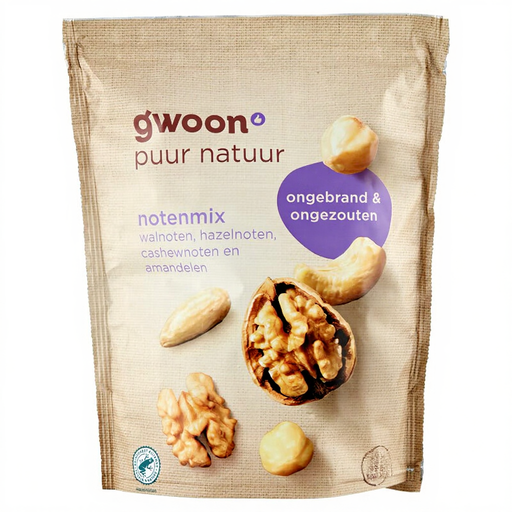
A good choice if you want a larger quantity of unsalted nut mix to portion out at home.
The product description lists hazelnuts, walnuts, almonds and cashew nuts; the pack contains 500 g.
Contains these types of nuts and may also contain traces of peanuts and other nuts. Check the allergen information on the pack.
 No image available
A good choice if you’re looking for peanuts to snack on at home and don’t mind shelling them.
The pack contains 500 g; the peanuts are in their shells and need to be shelled before eating.
Contains peanuts and may contain traces of other nuts. Check the allergen information on the pack.
 No image available
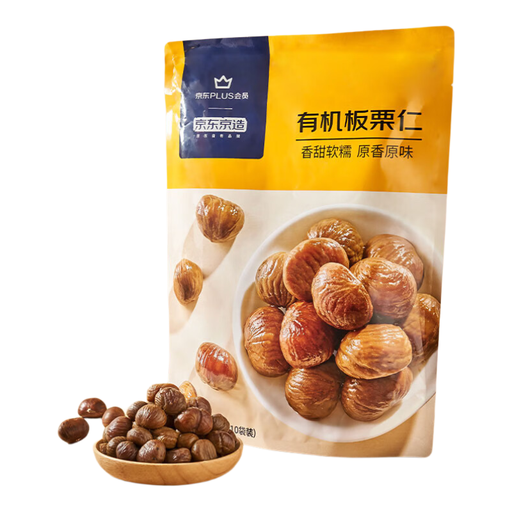
A good choice if you’re looking for peeled chestnuts in individual bags.
The product description lists 1 kg split across 10 bags of 100 g, with chestnuts that are peeled and ready to eat.
Check whether chestnuts are allowed under any rules at the school or childcare provider.
 No image available
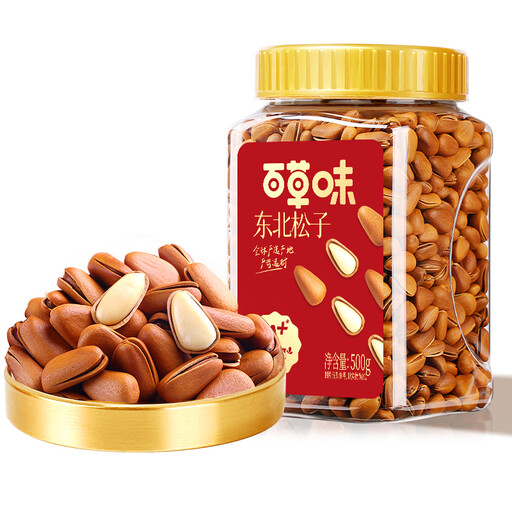
A good choice if you’re considering a 500 g pack of pine nuts as a snack.
The product description lists at least 98% pine nuts, lightly roasted with palm oil.
According to the product description, the contents should be eaten straight after opening. Take any rules at the location into account.
The pack weight isn’t a recommended portion size. Portion out what you need for snack time, make sure your child is sitting calmly and stay nearby. For children under 4, the Netherlands Nutrition Centre recommends nut butter with no added sugar or salt instead of whole nuts, because of the risk of choking.
Store nuts in a sealed container in a cool, dry place, and follow the storage advice and best-before date on the pack. Nuts that taste rancid, feel chewy or are mouldy may have lost quality or spoiled; don’t assume a general storage period applies to every mix.
According to the Netherlands Food and Consumer Product Safety Authority, allergen information must appear on the label of prepacked food. Peanuts and nuts are among the 14 allergens that must be declared under European Regulation 1169/2011. This information doesn’t confirm that a product is suitable for someone with a specific allergy.
School and after-school club rules vary by location, so ask your child’s school or club which rules apply to them and their snack time. The published policy of OBS Brinkschool and Stichting Baasis excludes peanuts and nuts, and also covers childcare at the locations named.
Compare the current price per kilo for products with the same ingredients and preparation, and weigh this against how much your household actually uses. ‘Value pack’ in the Jumbo product name describes the product, but doesn’t prove you’ll save money compared with other sizes or shops.