What should you look for when choosing?
First compare the energy per 100 grams, then calculate it for the same weighed portion. Next, check the ingredients and packaging.
| What to consider |
What to look for |
Who is this most important for? |
| Energy per portion |
Compare kcal per 100 grams and calculate the figures for the same weighed quantity. A smaller portion does not change the threshold for a ‘low-calorie’ claim. |
For my working-from-home lunch, I want to know how much energy my portion provides, not just what’s listed per 100 grams. Around 50% of consumers put managing their energy intake first. |
| Ingredients |
Check the ingredients and nutritional information separately. ‘Unsalted’ alone tells you nothing about added oil or allergens. |
When I choose unsalted nuts, I also want to know what else they contain. Around 30% of consumers prioritise simple ingredients. |
| Portioning and storage |
Check the net weight and storage instructions. Store nuts in a dry, tightly sealed container and follow the label instructions too. |
For several working-from-home lunches, I want a pack I can divide up and seal carefully afterwards. This is the main practical consideration for around 20% of consumers. |
Nuts at Joybuy
This selection includes chestnuts, cashews, almonds and peanuts for snacking. Compare products using the same quantity, and check the ingredients and allergen information on the packaging.
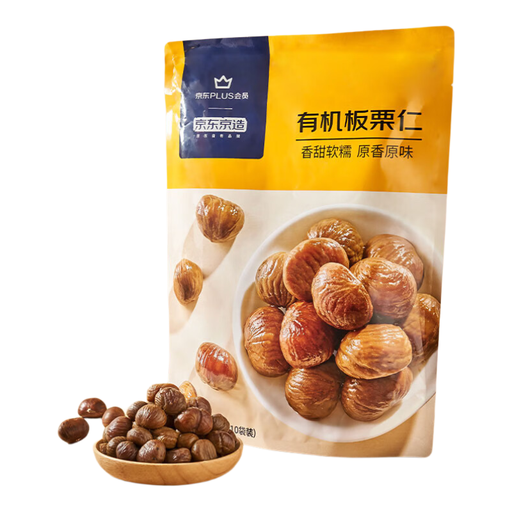 Image unavailable
J.ZAO S++ Grade Whole Chestnuts, 1 kg (10 bags), peeled and ready to eat
The listed energy value is above the European threshold for a low-calorie claim; compare the nutritional information for the same quantity.
The product name specifies 1 kg, split into 10 bags, of peeled chestnuts that are ready to eat.
Joybuy
 Image unavailable
Jiazhouyuanye Original Flavour Large Cashew Nuts, 160 g
This is a good option if you’re looking for cashews; the listed energy value is above the European threshold for a low-calorie claim.
The product name specifies a 160-gram pack. Check the nutritional information and ingredients on the packaging before choosing.
Joybuy
 Image unavailable
g'woon Almonds Raw & Unsalted, 200 g
This variety is a good option if you’re looking for raw, unsalted almonds; unsalted does not mean the product is low-calorie.
The product name specifies raw almonds in a 200-gram pack. Check the nutritional information and ingredients when comparing portions.
Joybuy
 Image unavailable
g'woon Cashew Nuts Roasted & Unsalted, 200 g
This roasted, unsalted cashew variety is a good option if that’s how you like your cashews; the ‘unsalted’ label says nothing about its energy value.
The product name specifies a 200-gram pack. Compare the nutritional information for the same quantity.
Joybuy
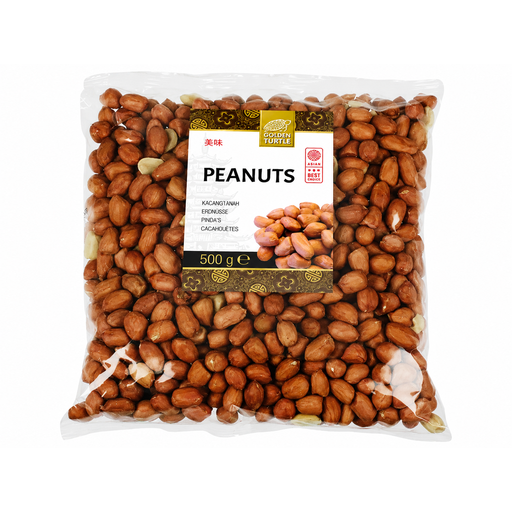 Image unavailable
Golden Turtle Premium Raw Peanuts with Skin, 500 g
This is a good option if you’re looking for raw peanuts with their skins on. Peanuts are an allergen, so check the ingredients and any warnings on the packaging.
The product name specifies a 500-gram pack. Compare the nutritional information for the same quantity.
Joybuy
Frequently asked questions
Can a small portion of nuts be called ‘low-calorie’?
No. A smaller portion does not change the conditions for the product claim. For solid foods, the limit is 40 kcal per 100 grams. So describe the energy in the portion without calling the product itself ‘low-calorie’.
Is 25 grams a required amount or a general daily recommendation?
No. Here, 25 grams is a portion for comparison, not personal dietary advice. Voedingscentrum gives 25 grams as an example of a handful of unsalted nuts. Use this quantity only as a consistent basis for comparing products.
How should I store an opened pack of nuts?
Store nuts in a dry, tightly sealed container and follow the instructions on the packaging. Voedingscentrum gives 10 to 15 °C as a cool storage temperature. The packaging for the Duyvis peanuts included in the research recommends storing them in a light- and airtight container after opening.
What does ‘may contain nuts or peanuts’ mean for my choice?
This type of warning indicates possible cross-contamination and is separate from allergens present as ingredients. If you have a relevant allergy, check both the ingredients and the warnings on the packaging. Don’t let the ‘unsalted’ label or portion size take the place of this information.
Are peanuts the same allergen as tree nuts?
No. Peanuts and tree nuts are separate allergens. The Netherlands Food and Consumer Product Safety Authority lists them separately, so check the ingredients and warnings for the possible presence of other allergens.


