What should you look for when choosing?
First decide what matters most to you when buying: the amount you eat at each snack, a proven reduction in fat, the ingredients, or a practical option for repeat purchases.
| What to consider |
What to look for |
Who is this important for? |
| Energy and quantity per snack |
Compare kcal for the same amount and check whether the portion stated on the packaging suits the amount you want to measure out. |
If you mainly want to know how much energy your own portion provides, the amount you eat is what matters. Around 33% of consumers prioritise portion size and energy. |
| Proven fat reduction |
Check what the claim refers to and which standard version is used for comparison; also compare the energy content on the same weight basis. |
If reducing fat is your main priority, check both the claim and the nutritional values of the reference version. Around 27% of consumers prioritise this. |
| Unsalted ingredients and preparation method |
Check for added salt, the ingredients, the preparation description and the allergen information for the exact version. |
If you’re looking for an unsalted snack with ingredients and preparation to suit your preferences, this label information matters. Around 20% of consumers prioritise this. |
| A practical option for repeat purchases |
Compare pack sizes on the same weight basis and check whether you can store the contents in a dry, tightly sealed container. |
If you’re looking for a handy option for regular snacking, packaging and storage are worth considering. Around 20% of consumers prioritise practicality and affordability for the long term. |
Nut products at Joybuy
These products are examples for comparing nutritional values per 100 g and pack sizes for pistachios, peanuts and walnuts. None of the product information shown, on its own, supports a reduced-fat claim.
 No image available
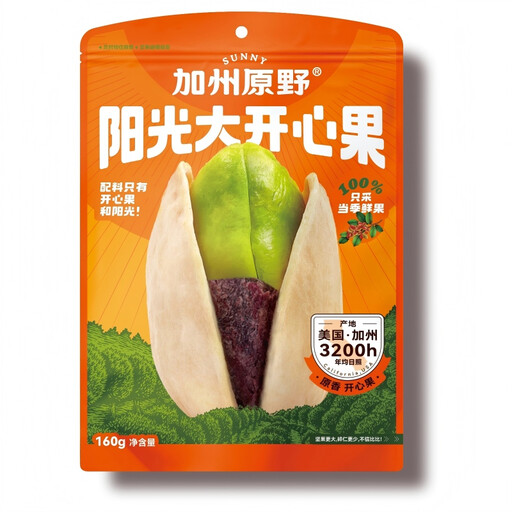
Jiazhouyuanye Pistachios 160 g
Suitable for comparing pistachios when you want to look at fat and energy per 100 g side by side.
Per 100 g: 49,5 g of fat and 602 kcal. The product information lists at least 97% pistachios and also mentions salt. You need to open the shell to eat the kernel.
View at Joybuy
 No image available
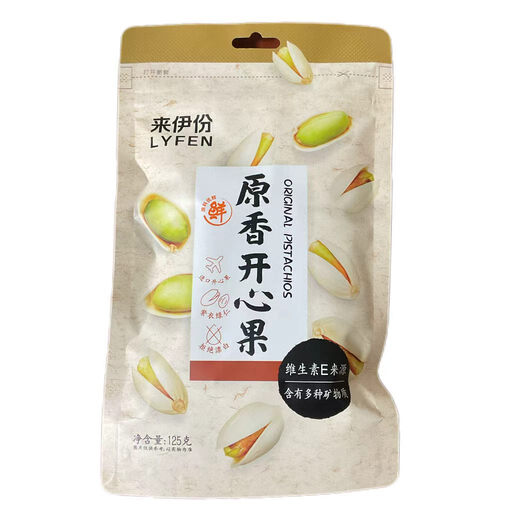
LYFEN Original Flavour Pistachios 125 g
Suitable for comparing with other pistachios if you want to check nutritional values per 100 g.
Per 100 g: 49,4 g of fat and 626 kcal. The product information lists pistachios as 95% of the ingredients and also mentions salt and sugar. Open the shell to eat the kernel.
View at Joybuy
 No image available
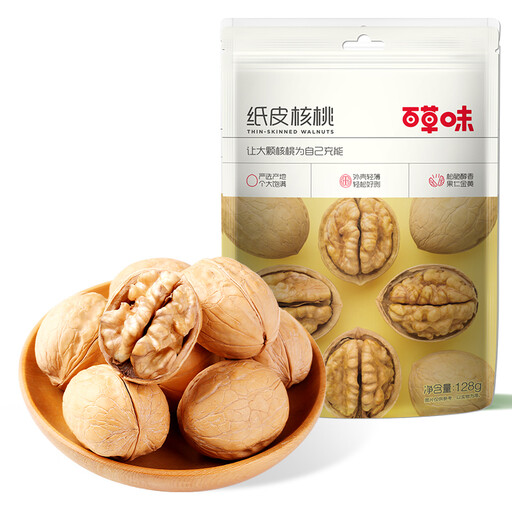
Be&Cheery Paper-Shell Walnuts 128 g
An option for comparing the nutritional values of walnuts when a smaller pack is more suitable.
Per 100 g: 74,9 g of fat and 738 kcal. The walnuts are individually packed; open the shell before eating.
View at Joybuy
 No image available
g'woon Unsalted Peanuts 250 g
Suitable for comparing peanuts when you want to assess unsalted as a separate feature.
Per 100 g: 50 g of fat. The product information lists 2690 kJ, 99% peanuts and sunflower oil; salt is also listed. Store the pack in a cool, dry place.
View at Joybuy
 No image available
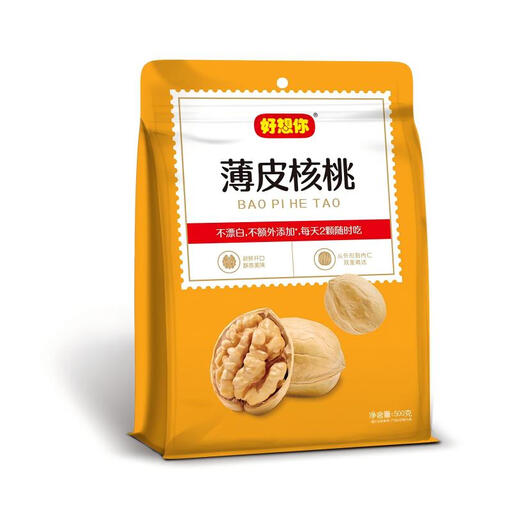
Haoxiangni Thin-Shelled Walnuts 500 g (Contains 8 Packs)
Relevant if you want to compare walnuts in a larger pack with smaller packs.
Per 100 g: 66,2 g of fat and 694 kcal. The product title lists 500 g and 8 packs. The walnuts are in their shells, which you need to open before eating.
View at Joybuy
Frequently asked questions
Does light always mean fewer calories?
No. According to the Voedingscentrum, light can refer to lower energy, fat or sugars compared with the standard product. Check the packaging to see what it contains less of; if fat is replaced with carbohydrates or protein, these also provide energy.
When can solid food be called low-fat?
According to the European Commission, solid food must contain no more than 3 g of fat per 100 g to make a low-fat claim. This is an absolute limit and is not the same as simply having a lower fat content than another product.
How can I assess a claim about reduced fat?
Check which standard version is used as the reference for the comparison and compare the nutritional values on the same weight basis. Less fat does not automatically mean proportionally less energy, so also check the kcal for the same amount.
How do I calculate the energy in my own portion?
Multiply the kcal per 100 g by the weight of your portion in grams, then divide the result by 100. For AH Notenmix ongezouten, 25 g based on 672 kcal per 100 g equals 168 kcal; this calculation uses the declared nutritional value.
Can I rely on a general brand name if I have an allergy?
No, check the ingredients and warnings for the exact version. According to the NVWA, allergens must be clearly stated on the label; for unpackaged food, you must be able to get allergen information before buying.
How should I store an opened bag of nuts?
Store nuts in a dry, tightly sealed container and follow the instructions on the packaging. The Voedingscentrum recommends storing them in a cool place.


