What should you look for when choosing?
First, consider how much you’ll actually take with you, then check the nutritional information and preparation details for that exact product. This helps you avoid confusing a smaller pack size or a different preparation method with a lower fat content per 100 g.
| What to consider |
What should you check? |
Who should pay particular attention? |
| Fat and energy per portion |
Compare the nutritional values per 100 g and weigh the amount you’re taking with you. The Netherlands Nutrition Centre lists 14.9 g of fat and 164 kcal per 25 g portion of unsalted nuts. |
If you want to keep eating the same nut snack but get less fat and energy from your lunch portion, the amount you weigh out matters. Around 42% of consumers prioritise portion control. |
| Fat claim and preparation |
Check the exact claim, the fat per 100 g and whether the product is salted. For solid foods, the European Commission sets a maximum of 3 g of fat per 100 g for the ‘low fat’ claim; ‘no added oil’ describes the preparation method only. |
If you want to know whether a claim really refers to fat content, rather than just salt or oil, read the product information for the exact variant. Around 25% of consumers prioritise understanding claims and preparation methods. |
| Packaging and storage |
Check the net weight and follow the storage instructions. For AH Unsalted Cashew Nuts, Albert Heijn advises storing them in a cool, dark and dry place and closing the pack tightly after use. |
If you want to divide your nuts over several lunch days, a manageable pack size and a secure seal are practical considerations. Around 17% of consumers prioritise stock and storage. |
| Allergen information |
Check the label on packaged nuts. For loose products in a canteen, ask for allergen information before buying and, if relevant to you, check for possible cross-contamination. |
If you need to check what information is available about ingredients and possible traces because of an allergy, do so before buying. Around 16% of consumers prioritise allergen information. |
Joybuy products for a packed lunch
This selection includes dry-roasted cashews and ready-to-eat chestnuts as snacks to take with you. Chestnuts are a different type of product from cashew nuts, so compare their nutritional values by product and on the same basis.
 Image unavailable
Duyvis Dry Roasted Cashews, 125 g
A good option if you’re looking for cashews roasted without added oil; this preparation method doesn’t automatically mean the product is low in fat.
The product information lists sea salt and 4–5 portions per pack. Check the nutritional information and portion size on the packaging.
View at Joybuy
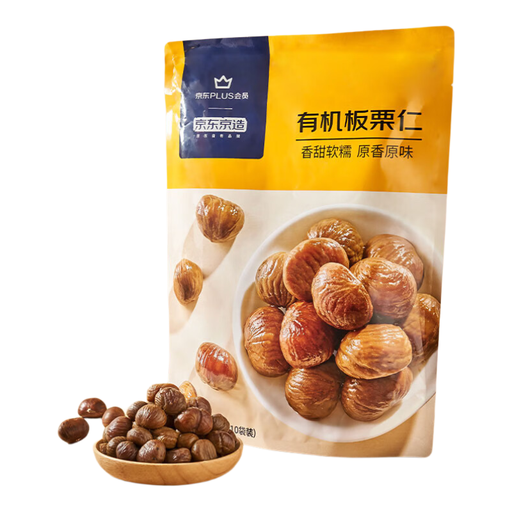 Image unavailable
J.ZAO S++ Grade Whole Chestnuts, 1 kg (10 sachets)
An alternative if you’re looking for ready-to-eat chestnuts for several occasions on the go; these are a different type of product from cashew nuts.
The product information lists 1.7 g of fat per 100 g and ten 100 g sachets. This is below the EU threshold of 3 g per 100 g for the ‘low fat’ claim on solid foods, but it doesn’t automatically mean that the claim is made on the product. A 100 g sachet isn’t a recommended lunch portion.
View at Joybuy
Frequently asked questions
How do I compare a whole bag with my lunch portion?
Use the nutritional information for the specific product and multiply the value per 100 g by the weight of your portion divided by 100. First compare products per 100 g, then compare them using the same portion size; a pack’s weight isn’t a recommended portion size.
How should I store nuts that I’m splitting over several lunch days?
Follow the instructions on the pack. For AH Unsalted Cashew Nuts, Albert Heijn advises storing them in a cool, dark and dry place and closing the pack tightly after use.
Does the university canteen have to provide allergen information for loose nuts?
Yes. According to the Netherlands Food and Consumer Product Safety Authority, allergen information for unpackaged food must also be available before purchase. A seller can provide this information verbally, but must then tell customers that they can ask for it. This information requirement doesn’t guarantee that a product is suitable for your allergy.
Are there specific nuts that have been subject to a warning?
Yes. On 20 May 2026, the Netherlands Food and Consumer Product Safety Authority issued a warning about TRADER JOE'S Unsalted Cashew Nuts 170 g with barcode 2003020120930 and best-before date 23-09-2026: don’t eat this specific batch because it may contain metal fragments. The warning applies to that batch, even if you still have it at home. Albert Heijn issued a warning about AH Extra Large Salted Peanuts in a tub with best-before date 04-11-2026; don’t eat this specific batch and return it. Other best-before dates aren’t covered by that AH warning.
What can I do if I have a complaint about a Duyvis product?
Duyvis says you can send in the packaging with its contents and include a letter explaining why you’re unhappy. Follow the manufacturer’s current contact instructions; this information doesn’t amount to a general promise of specific compensation.


