Who is this guide for?

People with a peanut or tree nut allergy

You want something to snack on while studying without eating the allergen you need to avoid. The distinction between peanuts, individual tree nuts and possible cross-contamination matters more than the flavour or brand. The Dutch Food Allergy Foundation also distinguishes between peanuts and tree nuts.

People avoiding other ingredients for dietary reasons

You can eat nuts but are looking for a product that fits another dietary restriction. Check which ingredients are actually in the variant you choose: lactose intolerance and a milk allergy, for example, are not the same thing.

People planning their study breaks in advance

You want to have snacks ready for regular breaks. First check that the product fits your diet, then consider the type and pack size. The Netherlands Nutrition Centre includes unsalted nuts in its Wheel of Five guidelines.

What should you look for when buying?

Unsalted nuts

Choose these if: you can eat the type of nut in question and want a snack for regular study breaks.

Check: unsalted does not mean allergen-free; check the exact pack.

Unsalted peanuts

Choose these if: peanuts fit your diet and you want to consider this variant.

Check: peanuts are not tree nuts, but they are a separate allergen; a product may also carry a tree nut warning.

A snack outside the nut category

Choose this if: your dietary advice excludes the nuts or peanuts in question.

Check: choosing a different product category does not, by itself, prove that a snack is suitable. Check the ingredients and warnings for those products too.

What to consider What to look for Who should consider this?
The allergen you need to avoid Check the specific type of nut or peanut, the ingredients list and the warning about possible presence separately. If you need to avoid a peanut or tree nut allergen, check the exact pack against your dietary advice. Around 36% of consumers put allergen avoidance first.
A specific dietary restriction Identify what you need to avoid and check the exact variant. For milk, distinguish between lactose and milk protein. If you can eat nuts but have another dietary restriction, you’ll want to know which ingredients are in the variant you choose. Around 29% of consumers prioritise another such restriction.
A snack for study breaks Only compare the type and pack size once you’ve checked that it fits your diet. Don’t assume your choice will affect your exam performance. If you’re preparing snacks for regular breaks, you’ll want something that suits your diet and plans. Around 21% of consumers prioritise their everyday snack choices.
Quantity for your plans Check the net weight and, once you’ve confirmed the product is suitable for your diet, choose an amount you expect to use. If you’re shopping for several study days, you’ll want to choose a pack that fits your plans. Around 14% of consumers prioritise the cost of buying snacks regularly.

Common buying mistakes

  • Assuming ‘free from’ means free from all allergens

    A free-from claim needs to apply to the specific ingredient you’re avoiding. Nuts and peanuts can themselves be allergens.

    Make your search specific to the ingredient you need to avoid, then check the ingredients and allergen information on the exact pack.

  • Choosing unsalted peanuts as a nut-free alternative

    The PLUS peanuts reviewed contain peanuts and warn that various tree nuts may also be present. Being unsalted doesn’t change that information.

    Check both the allergen in the ingredients and any warning about the possible presence of other allergens.

  • Trusting an old online description over the pack

    Albert Heijn warns that ingredients and allergy information can change.

    Read the packaging of the product you’ve chosen, even if you’ve bought the same variant before.

  • Choosing the largest pack before checking it suits your diet

    A larger quantity is no use if the product doesn’t fit your diet or your plans.

    Check the ingredients and allergen information first. Then look at the net weight and choose an amount that suits your study breaks.

Brands to consider

Duyvis

Duyvis sells peanut and nut snacks and directs customers to product-specific information and packaging for ingredients and dietary queries.

  • The manufacturer provides a product checker for ingredients and dietary queries.
  • Duyvis itself warns that traces of peanuts and/or nuts may be present, so the brand is not a general allergen-free option.

Albert Heijn

The own-brand range includes AH Unsalted Almond and Hazelnut Mix.

  • The product information describes an unsalted mix.
  • Albert Heijn advises customers to read the packaging, as ingredients and allergy information can change. ‘Unsalted’ is not a declaration that a product is allergen-free.

Jumbo

Jumbo explains where customers can find allergen information for both packaged and unpackaged products.

  • This information can help you find allergen details.
  • It doesn’t mean that all nut products are suitable for the same dietary restrictions.

Lidl

The Alesto range includes nuts, dried fruit and party snacks.

  • The range description helps you identify different types of products.
  • A range overview is no substitute for checking the ingredients and allergen information on a specific pack.

ALDI

The Dutch product information describes TRADER JOE'S Roasted Unsalted Cashews, 250 g.

  • The product description names the type, preparation method and net weight.
  • These details don’t mean that the variant is free from other allergens.

PLUS

PLUS provides product-specific allergen information for products including PLUS Unsalted Peanuts, 300 g.

  • The product information reviewed lists peanuts as an allergen in the ingredients.
  • The variant also warns that various tree nuts may be present, so it is not a nut-free solution.

Joybuy products for a study break

This Joybuy selection includes sunflower seeds, walnuts, peanuts, chestnuts and almonds. These are not general ‘free from’ options: check each variant for the specific ingredients and warnings that matter for your diet.
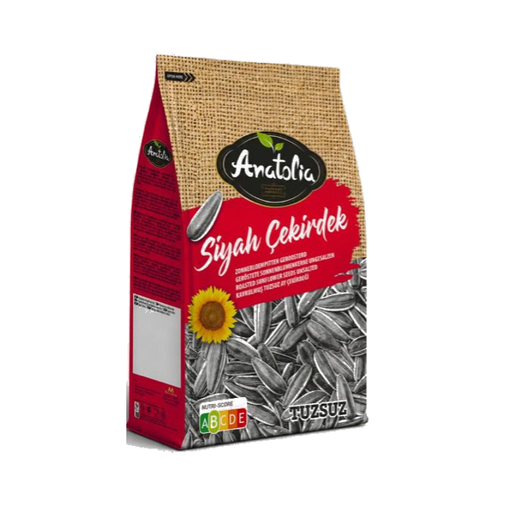
Anatolia Dakota Aycekirdegi Tuzsuz (Unsalted Sunflower) 240 g

Anatolia Dakota Aycekirdegi Tuzsuz (Unsalted Sunflower), 240 g

May be suitable if you can eat sunflower seeds, but they are not automatically allergen-free.

Unsalted sunflower seeds; 240 g. The product information warns that traces of gluten, peanuts, various tree nuts and sesame seeds may be present.

The product information warns that the product poses a choking hazard for children.

View at Joybuy
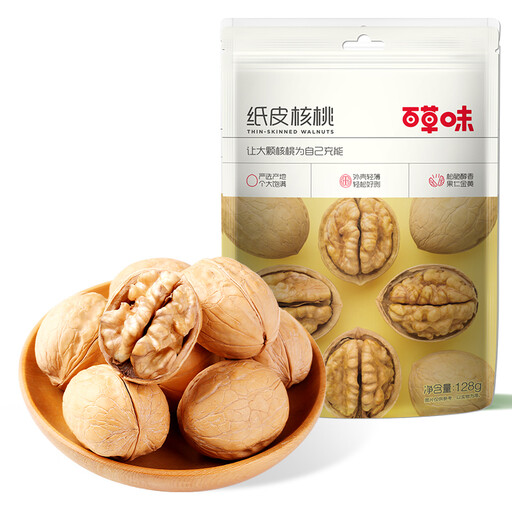
Be&Cheery paper-shell walnuts, 128 g

Be&Cheery paper-shell walnuts, 128 g

Only an option if walnuts fit your diet; the product information lists walnuts as an ingredient and allergen.

The walnuts are in shells that you’ll need to crack; the pack contains 128 g.

View at Joybuy

g’woon Unsalted Peanuts, 250 g

g’woon Unsalted Peanuts, 250 g

May be suitable if peanuts fit your diet; peanuts are a separate allergen.

Unsalted peanuts; 250 g. The product information lists peanuts as an ingredient and allergen and warns that traces of cashew nuts may be present.

View at Joybuy
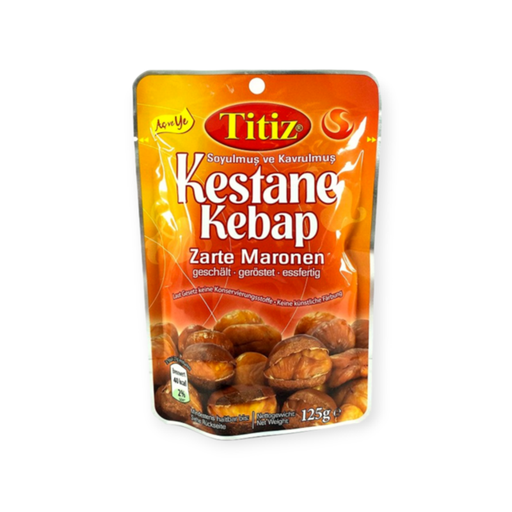
Titiz Roasted Chestnuts, 125 g

Titiz Roasted Chestnuts, 125 g

A ready-to-eat snack option if chestnuts fit your diet.

The description says these peeled, baked chestnuts are ready to eat; the ingredients list states 100% chestnuts. The pack contains 125 g.

View at Joybuy

g’woon Almonds Raw and Unsalted, 200 g

g’woon Almonds Raw & Unsalted, 200 g

May be suitable if almonds fit your diet; the product information lists almonds as an ingredient.

Raw, unsalted almonds; 200 g.

View at Joybuy

Frequently asked questions

If I have a tree nut allergy, can I simply choose peanuts?

Not automatically. Peanuts are not tree nuts, but they are a separate allergen. A peanut product may also warn that tree nuts could be present; the PLUS pack reviewed includes this warning. Make your choice based on your dietary advice and the exact product information.

Does lactose-free mean suitable for someone with a milk allergy?

No. Lactose intolerance concerns milk sugar, while a milk allergy is a reaction to milk proteins. So a search for lactose-free products won’t automatically tell you whether a product is suitable for someone with a milk allergy.

Who should provide allergen information when I’m shopping?

Food retailers must inform consumers about allergens present in their products; the Netherlands Food and Consumer Product Safety Authority describes this as a legal requirement. Jumbo also explains where customers can find information about unpackaged products.

How should I plan snacks for a study break?

First, compare the ingredients and allergen information on the pack you’ve chosen with the ingredients you need to avoid. Then choose an amount that suits your plans. A 250 g or 300 g pack is a retail pack size, not a recommended portion.

Who can I contact with questions about a Duyvis product?

Duyvis directs customers to its Dutch product checker for ingredients and dietary queries. For product questions or complaints, follow the manufacturer’s latest contact instructions.
