
Vandaag of morgen in huis

Kwaliteit gegarandeerd

Welkomstaanbiedingen ontgrendelen: GRATIS bezorging | Tot 80% korting | Gratis 30 dagen JoyPlus-proefperiode
Download de app
If you want to buy nuts and seeds online, you’ll soon come across plenty of options: natural, roasted, salted, seasoned, coated or in a large value pack. The price per kilo may seem like the deciding factor, but it isn’t always the fairest comparison. A product can look cheaper when you’re actually paying mainly for coating, oil or a small net quantity.
Terms such as “premium”, “traditionally roasted” and “extra large” only tell you so much. Check the ingredients, nutritional information and packaging too. This practical checklist can help you avoid a disappointing purchase and find nuts for everyday snacking, recipes, entertaining or an Asian-style snack spread.
A 1 kg pack of nuts is handy for a large family, catering-style use or a party. But a 500 g pack of nuts may be more practical if you only snack occasionally. Once opened, nuts can lose their crunch more quickly if the pack isn’t sealed properly.
So compare:
Roasted nuts may be prepared using heat alone, but some varieties also contain oil and salt. Seasoned peanuts or coated nuts may also contain ingredients such as sugar, flour, spices or flavourings. So don’t just look at the front of the pack: check the ingredients list too.
One example is Duyvis Tiger Nuts Paprika Fiesta. The product information lists peanuts with a double coating, rice flour, wheat starch, oil, sugar and spices. This makes it different from unsalted peanuts with just one ingredient.
Peanuts and nuts are relevant allergens. Products may also contain traces of soya, milk, mustard, cereals or other nuts. Always check the current packaging, especially if you’re buying for guests.
Also check the difference between shelled kernels and seeds in their shells. With caramelised sunflower seeds, you need to crack the shell before eating the kernel. That’s a different experience from eating ready-to-eat, shelled sunflower seeds.
For a simple snack, products with a short ingredients list are easy to assess. According to the product information, White Peanuts 1 kg are available as raw shelled peanuts, roasted peanuts and sugar-coated varieties. Nutritional values vary between varieties, so check the specific pack.
For roasted products, it’s worth checking for:
“Free from artificial colourings” doesn’t automatically mean a product is low in salt, sugar or calories. Always check the nutrition table.
Nuts naturally contain fats. Store them according to the label, in a cool, dry place, out of direct sunlight and away from heat and moisture. Reseal opened packs carefully.
According to the product information provided, White Peanuts have a shelf life of around 6 to 12 months for raw shelled peanuts, around 9 months for roasted peanuts and around 6 months for sugar-coated peanuts. Always follow the date printed on the pack.
Vacuum-packed peanuts, such as Packaged Peanut Kernels with Skin 34/38, are worth considering if you’re looking for larger kernels in sealed packaging. This variety contains peanuts with their skins on and, according to the product information, has a shelf life of up to 720 days. Check the date and storage instructions on the pack here too.
Choose based on when you’ll be enjoying the nuts:
Pine nuts are relatively high in energy. The product information for BE&CHEERY Northeast Pine Nuts lists 745 kcal per 100 g and at least 98% pine nuts. Use them as an ingredient or serve a small portion alongside other snacks.
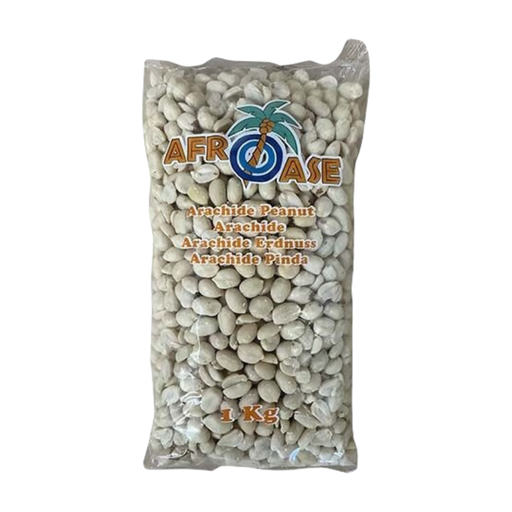
Why it suits this shopper: A large pack is practical if you regularly use peanuts for snacking, cooking or when entertaining. There are several varieties to choose from, including raw, roasted and coated.
The product information distinguishes between preparation methods, so you don’t have to judge it by pack size alone.
1 kg pack; choice of preparation methods; suitable for snacking and recipes.
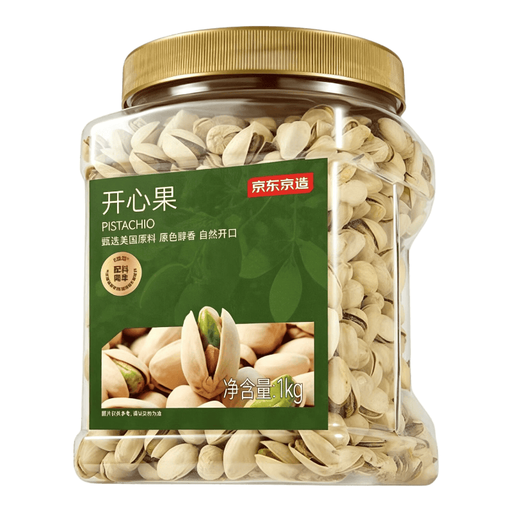
Why it suits this shopper: These pistachios are a good choice if you’re looking for a generous supply for guests, as a gift or for several snacking occasions.
The product details list the ingredients, salt content and net weight, rather than relying on general claims about flavour.
1 kg pack; salted pistachios; nutritional information per 100 g available.
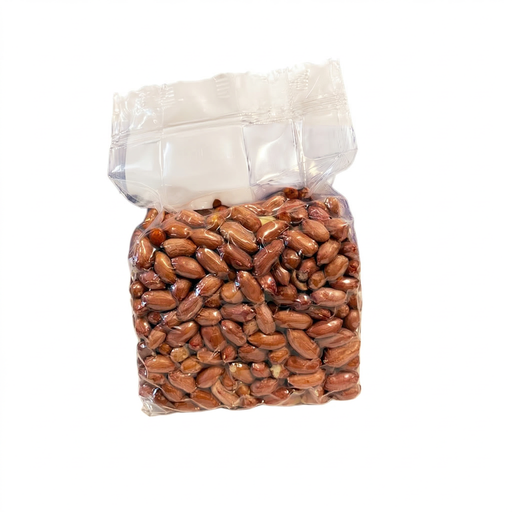
Why it suits this shopper: The 500 g vacuum pack is suitable if you use peanuts in salads, stir-fries, baking and as a snack.
The 34/38 kernel size, skins and vacuum packaging are clearly specified, so you can make your choice without relying on vague quality claims.
500 g pack; vacuum-packed; suitable for eating as they are and adding to hot or cold dishes.
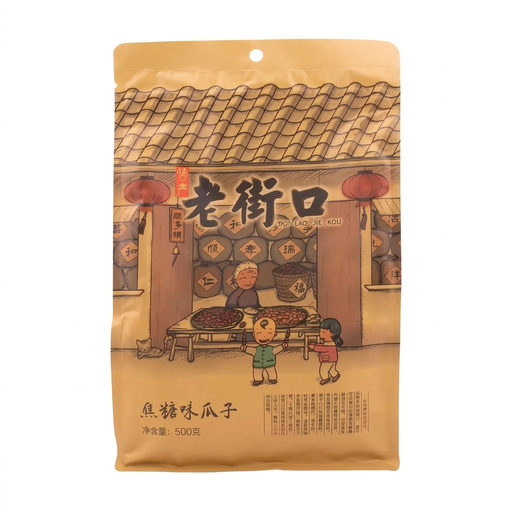
Why it suits this shopper: These roasted sunflower seeds with caramel flavour are made for occasions when you crack the shell and take out the kernel.
The product information clearly states the caramel flavour, ingredients, 500 g quantity and that the seeds are eaten from the shell.
500 g pack; roasted; sweet caramel flavour; ideal for sharing.
We’ve put together a complete, up-to-date list of products that meet these strict selection criteria and current European safety regulations.
Store opened nuts in a cool, dry place, out of direct sunlight. Seal the pack well to limit moisture and the transfer of odours. Always follow the storage advice and date on the label.
Unsalted peanuts have no added salt, but their overall nutritional value still depends on portion size and the rest of your diet. Compare the nutrition table per 100 g and look out for any added oil.
Pine nuts work well in pesto, salads and a range of Asian dishes. Peanuts can be used in stir-fries, baking and sauces. Pistachios are great for snacking and can also be used as a garnish. For each product, check whether it’s ready to eat and whether the packaging lists any allergens.
