
Vandaag of morgen in huis

Kwaliteit gegarandeerd

Welkomstaanbiedingen ontgrendelen: GRATIS bezorging | Tot 80% korting | Gratis 30 dagen JoyPlus-proefperiode
Download de app
When you search for nuts, seeds and crackers online, you’re quickly faced with a long list of roasted nuts, organic seeds, wholegrain crackers and salty snacks. The packaging often talks mostly about flavour and convenience. Yet it’s the ingredients list, nutritional values and portion size that really determine whether a product suits your needs.
Whether you’re snacking at home, at work, on a train journey or when guests pop round, there are different logical choices. A large bag of sunflower seeds works very differently from individually wrapped mixed nuts. The checkpoints below will help you avoid a bad buy.
Words like “natural”, “fit” or “healthy snack” are no substitute for the nutrition table. Always look at the values per 100 grams and compare in particular:
A product containing nuts or seeds can still be high in salt, sugar or added oil. With crackers, wholegrain flour and seeds might be featured on the front, while sugar syrup or palm oil also appears in the ingredients list.
A 500-gram bag might seem practical, but it’s less handy for on-the-go snacking and can lose quality more quickly after opening if the pack doesn’t reseal well. Individual portions, such as the 5 x 23 g bags of ChaCha Daily Nuts, make portion control much easier.
So always check the net weight, the number of portions and the closure. A resealable bag is useful for stocking up at home; small packs fit better in a work bag or rucksack.
Roasted nuts and seeds aren’t always simply roasted. Spice blends can include salt, sugar, flavour enhancers, sweeteners or oil. Some products also list allergens such as peanut, soya, milk, sesame or gluten.
With mixed nuts, also read the percentages of each type. That way you can see whether a mix is mostly walnuts, almonds and pistachios, or also contains a lot of dried fruit and added sugars.
Ingredients are listed in descending order by quantity. If peanut, sunflower seed or pumpkin seeds appear first, that is usually the main component. Also look out for warnings such as “may contain traces of”.
Examples from the range:
If you have an allergy, it’s important to check the actual packaging. Product information online can change, and cross-contamination is not always fully clear from the product name alone.
Always compare products on the same basis. A 23-gram portion may seem small, while the values per 100 grams are relatively high. That’s not unusual for nuts and seeds, as they naturally contain a lot of fat. The nutritional value tells you not just about calories, but also about protein, salt and sugars.
A few concrete examples:
These are product specifications, not medical or health claims. Use them to choose a snack that fits your own eating pattern.
Not every snack is ready to eat straight away. The Haoxiangni Thin-Shelled Walnuts come in their shells and need to be cracked first. That suits relaxed snacking at home, but is less practical for a short break at the office.
Also look out for:
Crackers generally stay at their best when sealed properly after opening. Store nuts and seeds in a cool, dry place away from direct sunlight, as stated on the product packaging.
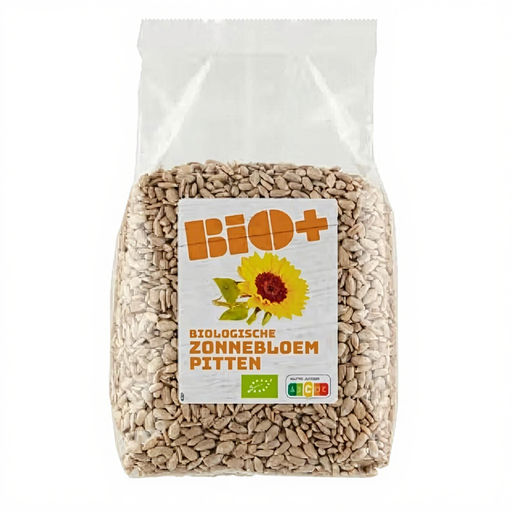
Why this fits the profile: A 500-gram bag is suitable for anyone who regularly uses sunflower seeds as a snack or addition to meals.
The ingredients list states only sunflower seeds of organic origin, with no flavour blend that could make the composition unclear.
500 g content; organic origin according to the product information; 18 g of protein per 100 g.
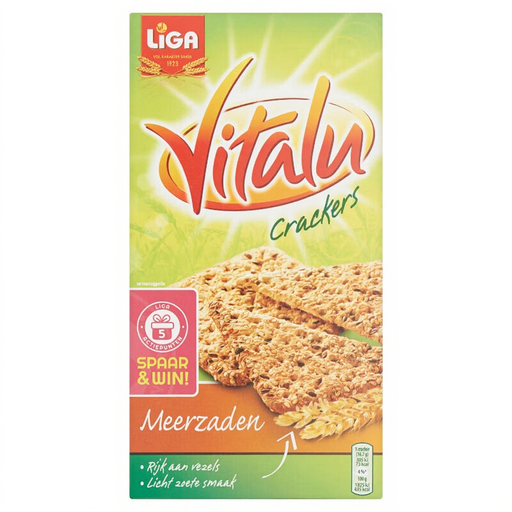
Why this fits the profile: These multiseed crackers combine wholegrain flour with sesame, linseed and pumpkin seeds, and are suitable for breakfast, lunch or a snack.
The percentages of the seeds and the wholegrain flour are listed, so you don’t have to rely solely on the front of the pack.
14 crackers in 2 resealable packs; 11.5 g of protein and 0.57 g of salt per 100 g.
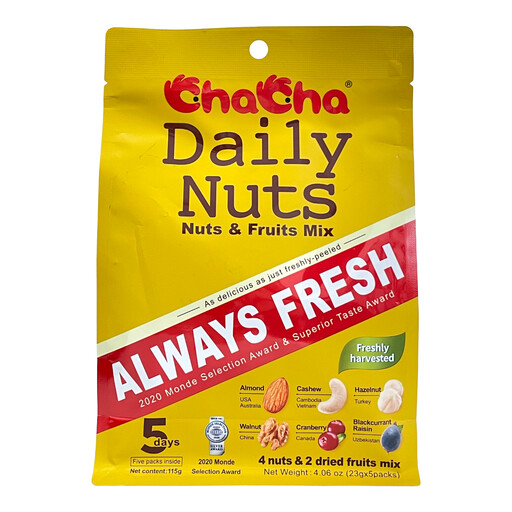
Why this fits the profile: The five individual portions are practical for workdays, school bags, travel and other times when you don’t want to carry a large bag.
The portions are pre-divided, so you don’t have to rely solely on a large pack and a general portion indication.
5 sachets of 23 g; mix of walnuts, cashews, almonds, hazelnuts and dried fruit; 0.03 g of salt per 100 g.
We’ve put together a full, up-to-date list of products that fully meet these strict selection criteria and comply with current European safety regulations.
That depends mainly on the packaging and portion size. Individual portions are easy to take with you and limit the need to open and close a large bag. For longer storage on the move, dry products in a well-sealed pack are practical. If you have allergies, always check the label before taking or sharing the product.
Store them according to the pack instructions in a cool, dry place away from direct sunlight. Seal a bag well to limit moisture and loss of crunchiness. With larger packs, it can be handy to keep a small portion separate each time, so the main pack is opened less often.
“Organic” describes the production method and not automatically the amount of salt, energy or protein. So also compare the ingredients and nutritional values. Bio+ Pumpkin Seeds and Bio+ Sunflower Seeds list one main ingredient of organic origin according to the product information, which keeps the composition clear.
