
Vandaag of morgen in huis

Kwaliteit gegarandeerd

Welkomstaanbiedingen ontgrendelen: GRATIS bezorging | Tot 80% korting | Gratis 30 dagen JoyPlus-proefperiode
Download de app
Searching online for nuts and seeds seems straightforward—until you have to choose between pumpkin seeds, sunflower seeds, cashews, pistachios, or a mixed pack. Products differ not only in flavour, but also in quantity, preparation, salt content, packaging, and allergens.
An appealing photo or a term such as “premium” does not tell you much on its own. Always check the product page and label before ordering. This helps you avoid paying more than expected for a small bag or choosing a snack that does not suit your needs.
A 500-gram bag is suitable for regular snacking, baking, or adding to salads. A 70- to 110-gram bag, by contrast, is mainly convenient for one or a few snack occasions. Always compare the net quantity, rather than relying solely on the size of the packaging.
Individually packaged portions can be convenient for travel or entertaining, but they are often less economical per gram. Larger packs offer better value for everyday use, provided you can reseal them properly.
Roasted nuts and seeds may contain added oil, salt, sugar, spices, or flavour enhancers. Natural products generally have a shorter ingredients list. Salted nuts are well suited to drinks and entertaining, but if you want to reduce your salt intake, unsalted cashews, macadamia nuts, or organic seeds are usually the better choice.
Pay attention to flavoured varieties, too. Some seasoned sunflower seeds contain sugar, oil, and flavour enhancers. There is nothing wrong with that if you are deliberately choosing that flavour profile, but it is not the same as a natural product.
Nuts and seeds are covered by mandatory EU allergen-labelling requirements. Pay particular attention to terms such as peanuts, cashews, pecans, walnuts, pistachios, macadamia nuts, pine nuts, and sesame seeds. Also look for warnings such as “may contain traces of”.
For example, the Anatolia Dakota Aycekirdegi product states that the packaging may contain gluten, peanuts, almonds, hazelnuts, walnuts, cashews, pecans, pistachios, macadamia nuts, and sesame seeds. According to the product information, the Bio+ product contains none of the 14 major EU allergens. If you have allergies, always check the current packaging, as recipes and warnings may change.
Start by deciding how you intend to use the product:
Check whether a product is raw, roasted, baked, or prepared with oil. The preparation method affects both flavour and texture. For example, the product information for Be&Cheery premium macadamia nuts states that no salt, sugar, or spices have been added. According to the description, the pine nuts from the same brand are lightly roasted with a small amount of palm oil.
A large pack is practical if you regularly use nuts in breakfast dishes, baked goods, desserts, or salads. Once opened, exposure to air, heat, and moisture increases the risk of quality loss. Store nuts and seeds in a cool, dry place away from direct sunlight. Seal the packaging securely or transfer the contents to an airtight storage container.
Always check the best-before date on the packaging. For some products, the full date is not included in the online description. With smaller packs, such as 70 grams of pecans, consuming them soon after opening is sensible. A 500-gram bag requires more attention to storage.
Use the nutrition table to compare products fairly. Per 100 grams, check energy, fat, saturated fat, carbohydrates, sugars, protein, and salt. A flavoured variety may differ significantly from a natural one because of its sugar or salt content.
For example, Anatolia salted pumpkin seeds list 3.5 grams of salt per 100 grams. Qia Qia tea-flavoured pumpkin seeds list 1,200 milligrams of sodium per 100 grams. These figures are not presented on a directly like-for-like basis, so consult the complete table on the label if in doubt.
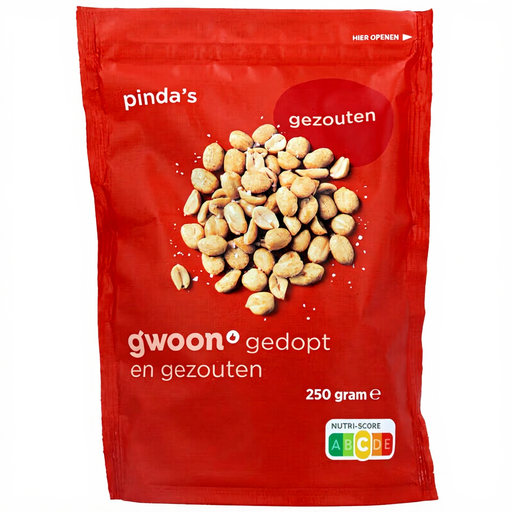
Why This Fits Their Persona: A manageable 250-gram pack for entertaining, lunch boxes, or everyday snacking—without committing to a large bulk format.
The product information lists 99% peanuts, sunflower oil, and 0.7% salt, making it immediately clear what you are buying.
250 grams net; clear allergen information for peanuts and possible traces of cashews.
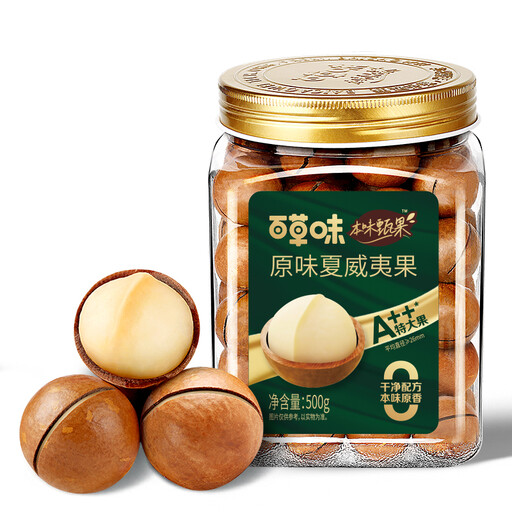
Why This Fits Their Persona: Ideal for anyone looking for a generous supply of unseasoned macadamia nuts for snacking, baking, salads, or desserts.
According to the product description, no salt, sugar, or spices have been added, keeping the ingredients list refreshingly simple.
500 grams; 100% macadamia nuts according to the ingredients information; ready to use without further preparation.
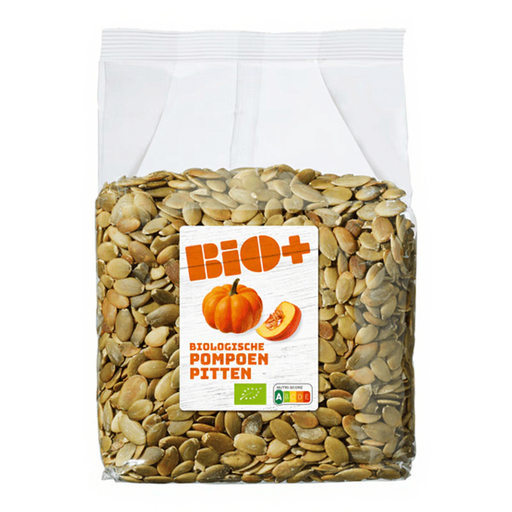
Why This Fits Their Persona: A large pack of organic seeds for salads, yoghurt, bread, baking recipes, and everyday use.
The ingredients information lists only pumpkin seeds of organic origin. No spices or salt are mentioned.
500 grams; according to the product information, free from the 14 major EU allergens; suitable for both cooking and snacking.
Explore a current selection of roasted nuts and compare flavour, packaging, ingredients, and intended use for each product.
That depends on your preferences and how you plan to use them. Natural pumpkin seeds, walnuts, cashews, macadamia nuts, and sesame seeds are versatile choices for breakfast, salads, and baking. With salted nuts, check the salt content per 100 grams and take serving size into account.
Store them in a cool, dry, dark place, preferably in well-sealed packaging or an airtight jar. Keep them away from moisture and heat sources. With large 500-gram or 1-kilogram bags, it is useful to seal most of the contents and keep only the amount you need in a smaller storage jar.
Yes, many roasted nuts work well in biscuits, granola, salads, and desserts. Keep their salt, oil, or flavouring content in mind. For sweet recipes, unsalted cashews, walnuts, pecans, or unseasoned macadamia nuts are generally easier to work with. Always check the allergen information before serving the product.
