
Same-day & Next-day Delivery

Quality Guaranteed

Unlock Your Welcome Offers: FREE Delivery | Up to 80% OFF | Free 30-day JoyPlus trial
Download the APP
Nuts and seeds are a good fit for many occasions: stirred into yoghurt, as a snack on the go, added to a salad or used as an ingredient in baking. But eye-catching packaging tells you little about what’s inside. A prominent label with terms such as “natural”, “premium” or “fit” can push important information about sugar, salt, allergens and portion size into the background.
This buying guide helps you compare nuts, seeds and muesli using facts you can check. That way, you can find a product that suits how you plan to use it, without relying solely on marketing claims.
Organic nuts or seeds come from organic farming, but that doesn’t automatically mean they’re unsalted, sugar-free or lower in calories. So always check the ingredients list and nutrition table.
A product with only pumpkin seeds as an ingredient is easier to assess than a seasoned mix containing oil, sugar, flavourings and sweeteners. Muesli can also consist largely of grains and raisins, with nuts and seeds making up just a few per cent of the recipe.
Roasted nuts may contain added oil and salt. This can be the case with roasted almonds, pistachios and cashews, for example. Don’t just look at the front of the pack; check:
Unsalted peanuts or unsalted cashews generally have a simpler flavour, but the ingredients list is still the best guide. A product, for example, may consist mostly of peanuts and still contain sunflower oil.
A 500-gram bag may seem like good value, but it’s only practical if you use the contents regularly. Nuts and seeds can lose their crunch after opening. Their high fat content can also cause them to develop an off-flavour if they’re stored incorrectly.
Once opened, store packs according to the label, sealed tightly and away from heat, moisture and direct sunlight. Small portion packs are handy for everyday snacking; a larger bag may make more sense for baking or a large household.
Start with the ingredients list. Ingredients are listed in descending order by weight. If it says “100% pumpkin seeds”, you know exactly what you’re getting. With a mixed nut pack, it’s useful to check which varieties are actually included and in what proportions.
A mix may contain walnuts, cashews, almonds and hazelnuts, as well as raisins or cranberries. This affects the flavour and texture, and the amount of natural or added sugars.
Always compare products per 100 grams, not just per pack. This makes it easier to spot differences between, for example, muesli with nuts and seeds, salted snacks and plain nuts.
Pay particular attention to:
For example, a muesli may say “no added sugars” even though it contains naturally occurring sugars. According to the product information, Quaker Zs Cruesli Nuts & Seeds contains no added sugars or sweeteners. Its nutritional information lists 3.8 grams of sugars per 100 grams and 23 grams of fibre per 100 grams. Always check the current packaging before buying.
Nuts, peanuts, cereals containing gluten, milk and soya are among the allergens that must be clearly indicated on the label. Also look out for warnings such as “may contain traces of”.
ChaCha Assorted Nuts Mega Pack lists cashews, macadamia nuts, pistachios, walnuts, apricot kernels, sesame and wheat, among other ingredients. Some varieties also contain sweeteners, flavourings or sweet coatings. This makes the mix different from a pack of plain nuts.
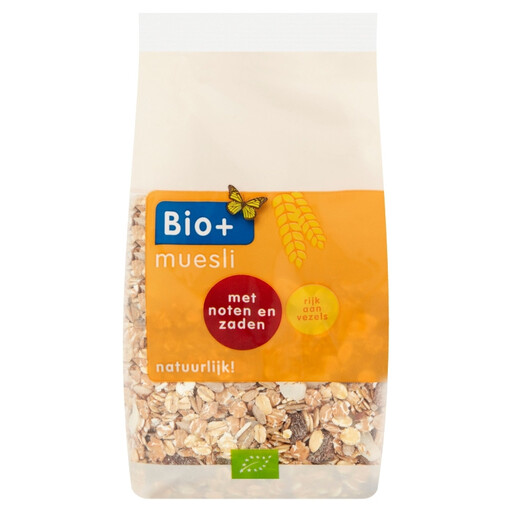
Why it suits this profile: A practical choice for breakfast or a simple snack, with grains, raisins, hazelnuts, almonds and seeds. The 450-gram pack is a handy size for home use without committing to a bulk pack.
The product information lists the ingredients and the percentages of different nuts and seeds. This lets you check what’s in the mix instead of relying on the front of the pack.
Organic origin according to the product information; 10,641 grams of fibre and 11,558 grams of protein per 100 grams according to the nutrition table provided.
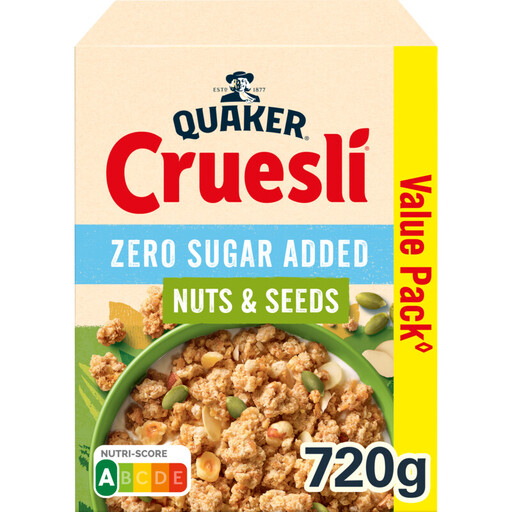
Why it suits this profile: A good choice if you’re looking for crunchy muesli with oats, wheat, pumpkin seeds, hazelnuts and almonds for breakfast.
The product information specifies which nuts and seeds are included and gives the nutritional values per 100 grams. This lets you compare its fibre and sugar claims with those of other muesli.
720 grams; 4.5% pumpkin seeds, 3.2% hazelnuts and 3% almond pieces according to the ingredients list.
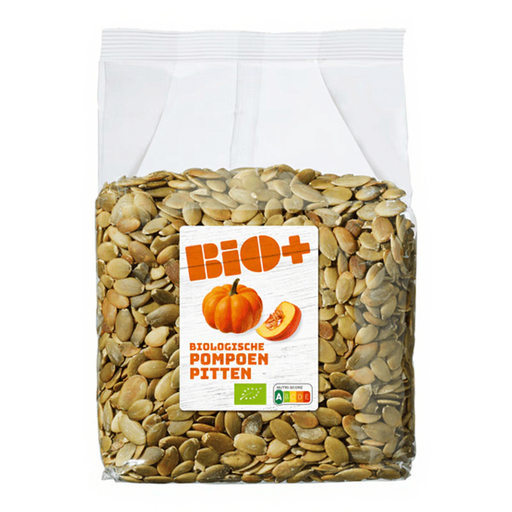
Why it suits this profile: Handy if you often use pumpkin seeds in bread, salads, soup, breakfast bowls or homemade nut mixes.
The ingredients list names only pumpkin seeds from organic sources. No added oil, sugar or salt is listed.
500 grams; one listed ingredient; according to the product information, free from the 14 main EU allergens.
We’ve put together a complete, up-to-date list of products that meet these strict selection criteria and the applicable European safety regulations.
Unsalted almonds, walnuts, cashews and macadamia nuts are handy for baking. Chop them finely for cakes, biscuits or bread, or use larger pieces as a topping. Ideally, choose a product without strong seasonings or a sweet coating, so you can keep the flavour of your bake in balance. A large pack, such as 500 grams of macadamia nuts, can be useful if you bake regularly; just seal the opened bag tightly.
“Better” depends on how you plan to use them. Unsalted peanuts generally contain less added salt than salted varieties, but check the oil content and portion size too. According to the product information, G’woon Unsalted Peanuts lists 99% peanuts and sunflower oil as ingredients, with 0.02 grams of salt per 100 grams. The product contains peanuts and may contain traces of cashews.
Seal the pack tightly and store it in a cool, dry place away from direct sunlight. Always follow the instructions on the packaging. If a product has a short recommended period for use after opening, it’s sensible to buy smaller quantities. Check the smell, taste and texture before eating, and don’t use a product if its packaging is damaged.
