
Vandaag of morgen in huis

Kwaliteit gegarandeerd

Welkomstaanbiedingen ontgrendelen: GRATIS bezorging | Tot 80% korting | Gratis 30 dagen JoyPlus-proefperiode
Download de app
Buying nuts and seeds may seem straightforward, but products can vary considerably in flavour, preparation, salt content, packaging and intended use. A small snack pack is convenient for eating on the go, while a larger pack is better suited to cooking, baking or a family household. However, if you only look at the product name or attractive packaging, you can quickly end up choosing something that does not suit the occasion.
A product may be presented as a snack or nutritious choice, while also containing added salt, sugar, oil or a coating. That is why you should always check the ingredients list and the nutritional values per 100 grams.
An unsalted product will generally have a shorter ingredients list. Salted nuts, roasted nuts and seasoned seeds may contain additional ingredients. The term “natural” is no substitute for checking the label.
A 500-gram or 1-kilogram bag may be suitable for cooking and baking, but it does require proper storage once opened. For the office, school or eating on the go, smaller portions are more practical. A multipack, such as five 23-gram bags, also makes it easy to prepare portions in advance.
Also check the shelf life after opening. This varies by product and is stated on the packaging. A large quantity only makes sense if you will use it within a suitable period.
Roasted nuts are prepared differently from raw or unsalted nuts. Roasting mainly changes the flavour and texture; it does not automatically tell you how much salt or added oil the product contains. So check each of the following separately:
Nuts and seeds are among the 14 allergens that must be clearly declared in the EU when present in a product. As well as checking the ingredients, look for warnings about possible traces. This is particularly important with mixed nuts, such as a blend containing walnuts, cashews, almonds and hazelnuts.
Product information may vary between versions. For White Peanuts 1 kg, for example, the listing mentions raw shelled peanuts, roasted peanuts and sugar-coated varieties. Before ordering, check which version is actually included in the offer.
Compare the nutritional values per 100 grams, not just per portion. This makes salted nuts, unsalted nuts and sweet varieties easier to compare. Anatolia roasted salted pumpkin seeds, for example, list 3.5 grams of salt per 100 grams, while g’woon Cashew Nuts Roasted & Unsalted contain 0.067 grams of salt per 100 grams, according to the product information.
With a sweet coating, ingredients such as sugar, syrup or flavourings are usually listed before or alongside the nuts. For a neutral cooking ingredient, unsalted cashews, almonds, walnuts or pine nuts are often easier to measure and use.
Pay attention to both the net weight and the number of packs. Examples from the range include:
Store nuts and seeds according to the label: usually in a cool, dry place away from direct sunlight. Seal opened packaging securely. Products such as walnuts in their shells also need to be cracked before eating. The Haoxiangni Thin-Shelled Walnuts 500g consist of eight packs and, according to the product information, are not ready to use until the shells have been opened.
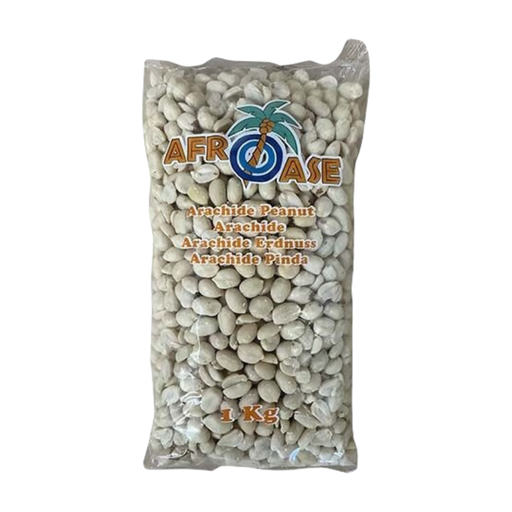
Why it suits this profile: The 1-kilogram pack is practical for anyone who wants to use peanuts for snacking, baking or cooking. Be sure to check the selected version: raw, roasted or sugar-coated.
The product information lists several versions and ingredients, so you do not have to rely solely on the name “peanuts”.
Large 1-kilogram net weight; a choice of raw, roasted and coated versions according to the product description.
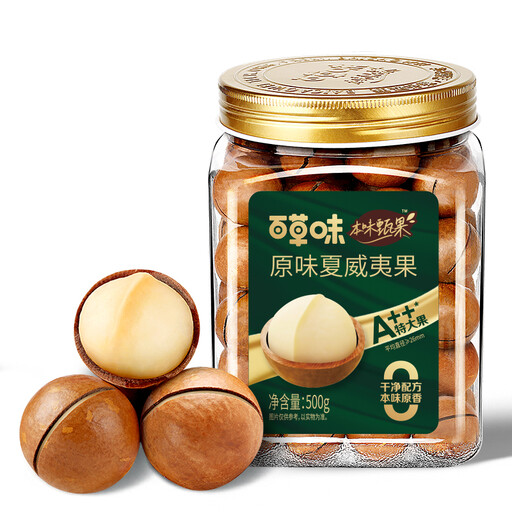
Why it suits this profile: According to the product information, this large pack contains 100% macadamia nuts with no added salt, sugar or herbs.
The ingredients list is straightforward. This helps you avoid a seasoned or sweetened variety when you are looking for a neutral flavour.
500 grams; 100% macadamia nuts according to the label; suitable for snacking, baking and garnishing.
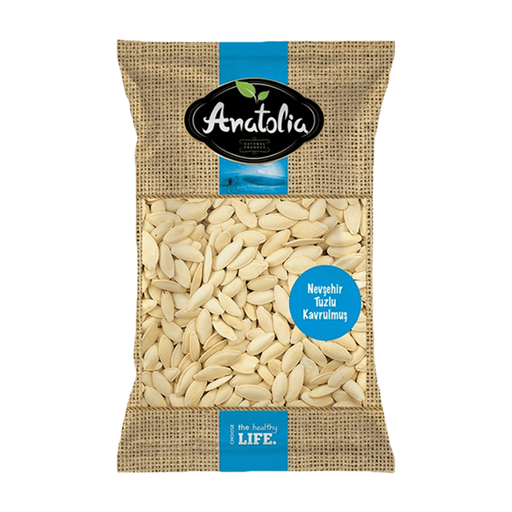
Why it suits this profile: The roasted pumpkin seeds are suitable for salads, soups, breakfast dishes and snacking. The pack contains 340 grams.
The salt content of 3.5 grams per 100 grams is stated clearly. This allows you to distinguish the product from unsalted pumpkin seeds.
Roasted; 340 grams; suitable as a topping or ingredient in a range of dishes.
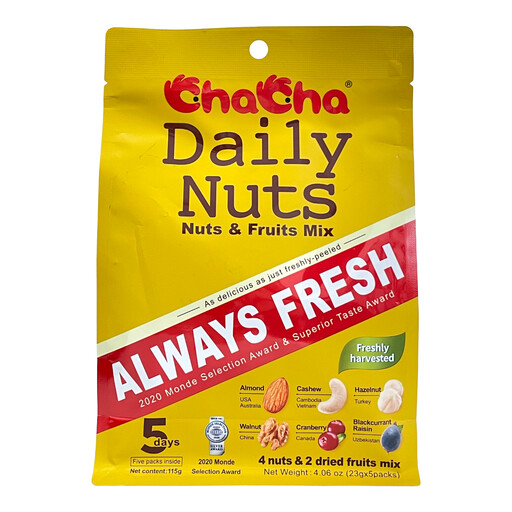
Why it suits this profile: Five individual portions combine walnuts, cashews, almonds, hazelnuts and dried fruit for the office, eating on the go or lunch boxes.
The portions are pre-measured. The ingredients and sugar content per 100 grams are shown, so you will not mistake dried fruit for a pure nut mix.
5 x 23 grams; ready to eat; suitable for taking with you, adding to yoghurt or muesli, and baking.
We have put together a complete, up-to-date list of products that fully meet these strict selection criteria and the applicable European safety regulations.
For drinks and appetisers, salted nuts, pistachios, peanuts and roasted almonds are natural choices. If you are looking for a neutral base for salads, pesto, Asian or Turkish dishes, consider unsalted cashews, pine nuts, walnuts or pumpkin seeds.
Macadamia nuts, walnuts and cashews are versatile options for baking. According to the product information from 7FRESH, chestnut kernels are ready to eat and have a different nutritional composition from classic nuts: per 100 grams, they contain 40.2 grams of carbohydrates and 0 grams of fat. Before ordering, check the current packaging, ingredients and allergens for every product.
That depends on your preferences for flavour, preparation and portion size. Unsalted nuts have no added salt coating, while salted or roasted nuts can offer more flavour. A small pack or individual portion is convenient if you do not want to open a large quantity straight away.
Store them in a cool, dry place away from direct sunlight. Seal opened bags securely and follow the storage instructions on the label. With larger packs, dividing the contents between airtight containers can help limit repeated exposure to air and moisture. Always check the best-before date on the packaging.
The only reliable way to determine this is to compare the price per 100 grams. Also consider the shelf life, available storage space and how much you expect to use. A 1-kilogram bag suits frequent use, but a multipack or 100- to 250-gram pack may be more suitable for eating on the go or trying a flavour first.
