
Vandaag of morgen in huis

Kwaliteit gegarandeerd

Welkomstaanbiedingen ontgrendelen: GRATIS bezorging | Tot 80% korting | Gratis 30 dagen JoyPlus-proefperiode
Download de app
Nuts and seeds are available plain, roasted, seasoned, salted or individually packed. This can make comparing them seem easy, but important differences are often not shown on the front of the packaging. Think added oil, sugar, salt, allergens, the actual serving size and how you intend to use the product.
Whether you are looking for peanuts, pumpkin seeds, sunflower seeds, cashews, walnuts, chestnuts or pine nuts, check the product information first and only then consider the flavour variant or packaging.
A 500-gram or 1-kilogram bag may seem appealing for daily snacking, baking and salads. However, once opened, nuts and seeds can lose their crunch, especially if the packaging cannot be resealed properly. With a larger size, it is therefore important to use the product regularly and store it in an airtight container.
Also compare the net quantity, not just the price shown on screen. Individual sachets may cost more per gram, but they are more practical for taking with you or preparing portions in advance.
Roasted nuts may contain added oil or salt. Seasoned nuts sometimes contain sugar, flavour enhancers, flour or other ingredients. A plain product will usually have a shorter ingredients list, but always check the label on the current packaging.
A product with a distinctive flavour is not automatically a healthy snack. Nutritional values per 100 grams can vary considerably. Pay particular attention to energy, fat, saturates, sugar and salt.
Peanuts and nuts are major allergens. Products with herbs, coatings or flavourings may also contain other allergens, such as soya, milk or wheat. Always check the allergen information and warnings about possible traces. The Dutch product page and the packaging are the definitive sources here.
Start with the ingredients list. For a straightforward choice, look for a short list, such as pumpkin seeds or chestnuts as the only ingredient. With roasted nuts and seasoned nuts, check whether oil, sugar, salt or flavour enhancers have been added.
For products in their shells, also check the instructions for use. Some sunflower and pumpkin seeds need to be cracked open, while shelled seeds are ready to add to a salad, yoghurt or baking recipe.
The nutrition table makes products easier to compare. Do not just look at calories; also check:
Figures on product pages are generally given per 100 grams. For a realistic comparison, calculate the values for a small portion separately.
Store nuts and seeds according to the label: usually somewhere cool and dry, away from direct sunlight. Close the packaging carefully after use. A product with several small sachets can be convenient for the office, school or travelling, as you do not have to open the entire supply at once.
Always check the shelf-life information on the packaging. Walnuts in their shells also require preparation: you need to crack open the hard shell before you can eat the kernel.
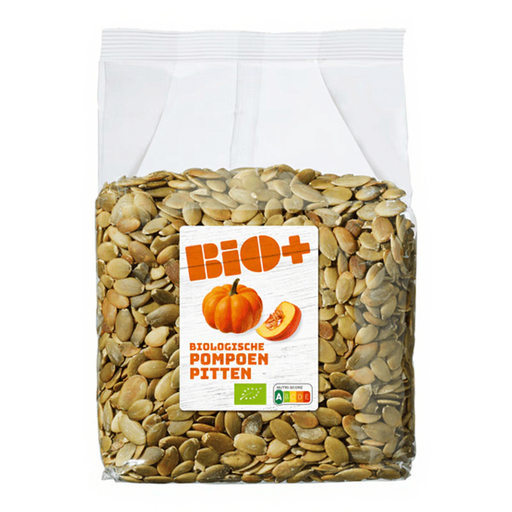
Why it suits this profile: The 500-gram pack is suitable for anyone who wants to use pumpkin seeds in several dishes, such as salads and bread, or enjoy them as a snack.
The product description lists one ingredient: organically sourced pumpkin seeds. No herbs, sugar or salt are mentioned.
500 grams; according to the product information, free from the 14 major EU allergens; store in a cool, dry place.
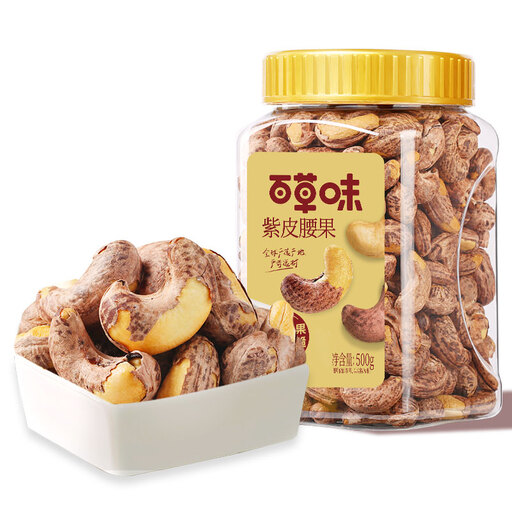
Why it suits this profile: These large cashews are suitable for snacking straight from the pack, baking or serving with drinks.
The ingredients are clearly listed as cashew kernels and salt. This makes it immediately clear that this is not a plain product without added ingredients.
500 grams; per 100 grams: 679 kcal, 60.1 grams of fat and 1.2 grams of salt according to the stated nutritional information.
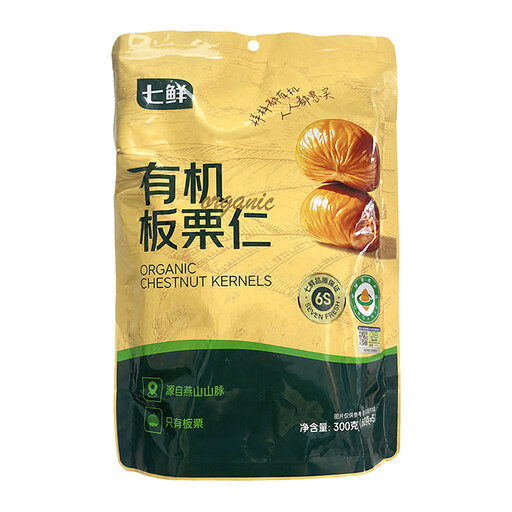
Why it suits this profile: According to the product description, these chestnuts are ready to eat, making them practical for the office, travelling or a quick snack.
There is no need to crack nuts or plan any additional preparation. After opening, the product information recommends consuming the product immediately.
300 grams; according to the stated table, 0 grams of fat and 0 grams of salt per 100 grams; ready to eat.
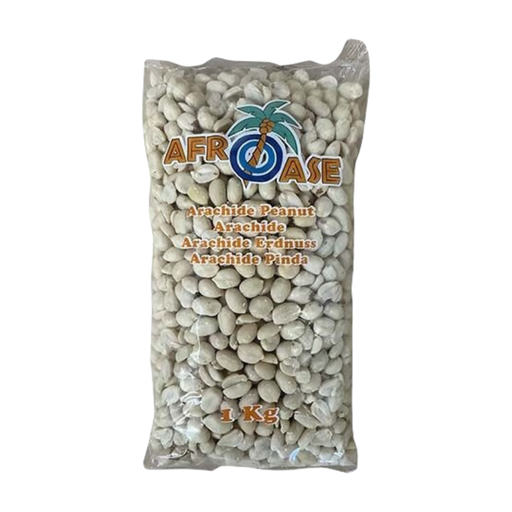
Why it suits this profile: A kilogram is practical for households that regularly use peanuts for snacking, cooking or baking.
The product page distinguishes between raw, roasted and sugared varieties. When ordering, therefore, check which variety applies.
1 kilogram; the product information lists varieties containing 100% peanuts and varieties with salt, oil or sugar.
We have put together a complete, up-to-date list of products that fully meet these strict selection criteria and the applicable European safety regulations.
It depends on how you plan to use them. For occasional snacking, 125 to 250 grams is a manageable amount. Anyone who uses nuts or seeds every day for baking, salads or breakfast may find 500 grams more practical. A 1-kilogram pack is mainly suitable for regular use and when you have enough storage space.
Store them somewhere cool and dry, away from direct sunlight. Seal an opened bag securely to limit moisture and the transfer of odours. Always follow the instructions on the packaging. Do not use the product if the packaging is damaged or if its smell, taste or appearance is noticeably different.
Seasoned nuts can certainly be part of a snack, but check the nutrition table and ingredients list first. Some varieties contain relatively high levels of salt, sugar, oil or flavourings. If you are looking for a simple composition, it is better to choose a plain variety and add your own seasoning.
