First, identify what you need to avoid: nuts are not a universally allergen-free snack, and they are not an automatic choice if you have a relevant nut allergy. If you can eat the nut in question, compare unsalted nuts, mixes or peanuts, and always check the ingredients and warnings on the current packaging. A convenient on-the-go format is no substitute for checking.
Who is this relevant to?
Breakfast shoppers with dietary restrictions
If you want something quick to take with you, first consider whether you need to account for an allergy, lactose intolerance or a gluten-free diet. The specific substance you need to avoid and the information on the current packaging matter more than a general ‘free from’ claim.
Anyone looking for a regular breakfast routine
If you can eat nuts and want to include them regularly at breakfast, you can compare unsalted options. The Netherlands Nutrition Centre recommends unsalted nuts; also check whether the rest of your breakfast suits your diet.
Those planning ahead for breakfast on the go
If you want to prepare portions in advance, check the packaging format of the exact product. Keep the original ingredients and allergen information available when dividing up the contents.
What should you look for when choosing?
First identify which ingredients you need to avoid. Then consider how easy the product is to take with you, and adjust the portion and the rest of your breakfast accordingly.
| What to consider |
What should you check? |
Who is this important for? |
| Suitable for your diet |
Check the type of nut, ingredients and warnings relating to the allergen you need to avoid. The Netherlands Food and Consumer Product Safety Authority (NVWA) explains the allergen information provided on pre-packed products. |
If I need to avoid a specific substance, I want to check the exact product and its warnings before taking it with me. Around 36% of consumers prioritise suitability for their own diet. |
| Easy to take with you |
Check whether the exact product comes in a multipack, individual portions or a resealable bag. Don’t assume a portion weight that isn’t stated in the product information. |
If I’m short on time in the morning, I want to know whether I’ll need to weigh out a portion or reseal the packaging. Around 29% of consumers prioritise keeping things simple before heading out. |
| Suitable for your breakfast |
Check whether the nuts are unsalted, and assess the other parts of your breakfast separately too. |
If I want to include nuts in my daily breakfast, I also want to check whether the rest of the combination suits my diet. Around 21% of consumers prioritise this everyday food choice. |
| Preparing portions |
Compare the packaging format and contents with the portions you want to prepare. Keep the original packaging or retain the product information with the portions. |
If I want to prepare portions in advance, I want the ingredients and allergen information to remain available with the contents. Around 14% of consumers prioritise preparation and portioning. |
Common mistakes
-
Assuming ‘free from’ means free from all allergens
A claim relating to one substance doesn’t mean a product is free from other allergens. Nuts and peanuts need to be considered separately; Allergie Centra Nederland explains that peanuts are legumes, not nuts.
First identify what you need to avoid, then check the information for the exact product. Don’t use ‘allergen-free’ as a general description for nut snacks.
-
Confusing lactose-free with suitable for a cow’s milk allergy
Lactose intolerance and cow’s milk allergy relate to different components of milk. Choosing a lactose-free product therefore doesn’t prove that it’s suitable for someone with a cow’s milk allergy.
Check the specific requirement that applies to you, and assess yoghurt, a drink or other breakfast products separately too.
-
Taking ‘unsalted’ or ‘natural’ to mean an allergen claim
‘Unsalted’ describes the product variant, but doesn’t in itself tell you anything about nut allergens or possible cross-contamination.
Assess the nutritional choice and allergen information separately; don’t let the product name replace checking the label.
-
Mistaking an on-the-go pack for a complete breakfast
A bag of nuts or a multipack doesn’t automatically make a complete breakfast. The Netherlands Nutrition Centre also recommends other suitable breakfast components, such as wholegrain breakfast cereals and fruit.
Plan the other components that suit your diet. Preparing portions in advance may also take extra effort.
Brands to compare
Duyvis
Worth considering if you’re looking for a specific unsalted peanut option.
- Duyvis describes a range of unsalted peanuts and directs customers to a product checker for allergen information.
- Duyvis warns that traces of peanuts and/or nuts may be present. This doesn’t make the range universally allergen-free.
Albert Heijn
Worth considering for unsalted almonds, including a product with ‘6-pack’ in its name.
- The product names identify the unsalted option and, for the 6-pack, the multipack format.
- Albert Heijn recommends checking the packaging. The product name alone doesn’t confirm that it’s suitable for a gluten-free, dairy-free or peanut-free diet.
Jumbo
Worth considering for Jumbo Unsalted Nut Mix 200 g.
- The product information identifies an unsalted nut mix and a pack size of 200 g.
- This information doesn’t confirm that the mix is suitable for a specific free-from diet.
Lidl
Worth considering for nuts and dried fruit in the Alesto range.
- Lidl describes nuts as a snack and topping in its Alesto range.
- Check the ingredients and allergens for each product; information about the range isn’t confirmation that a product is suitable for your diet.
Aldi
Worth considering for an unsalted nut mix and a separately described on-the-go pack.
- ALDI lists almonds, hazelnuts, walnuts and Brazil nuts in its unsalted mix.
- The resealable packaging is described for a different nut and fruit mix; don’t assume the same feature applies to the mix. Neither product feature proves that other allergens are absent.
PLUS
Worth considering for unsalted almonds in a 150 g stand-up pouch.
- PLUS identifies the product type and the 150 g pack size.
- PLUS says that ingredients and allergy information can change. So check the packaging of the product you’re buying.
Products at Joybuy
These products include ready-to-eat chestnuts, individual types of nuts, a nut mix and peanuts for a quick on-the-go option. They’re not automatically suitable for a free-from diet: check the ingredients and allergen information for each product.
 No image available
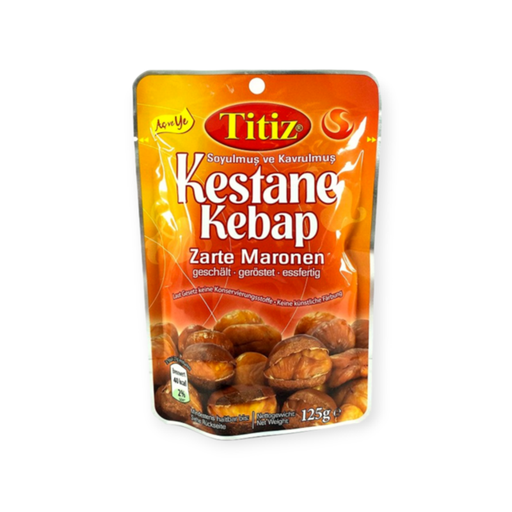
Titiz Roasted Chestnuts 125g
The product information describes these chestnuts as ready to eat and convenient to take with you. Choose them only if chestnuts suit your diet.
Ingredients: 100% chestnuts.
View at Joybuy
 No image available
g'woon Cashew Nuts Roasted & Unsalted - 200g
A single-nut snack that’s roasted and unsalted; suitable only if you can eat cashew nuts.
The product information lists cashew nuts. Not suitable if you need to avoid cashew nuts.
View at Joybuy
 No image available
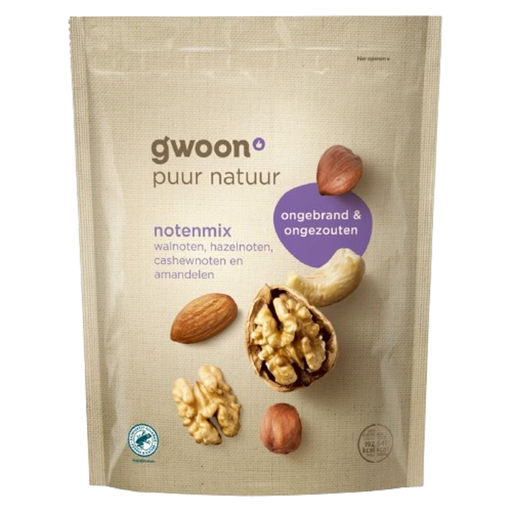
g'woon Nut Mix Raw & Unsalted - 200g
An unsalted mix that’s ready to eat, provided all the listed types of nuts suit your diet.
The product information lists hazelnuts, walnuts, almonds and cashew nuts. May contain traces of peanuts.
View at Joybuy
 No image available
g'woon Unsalted Peanuts - 250g
A peanut snack labelled unsalted; choose it only if peanuts suit your diet.
The product information lists sunflower oil. This product contains peanuts and may contain cashew nuts.
View at Joybuy
 No image available
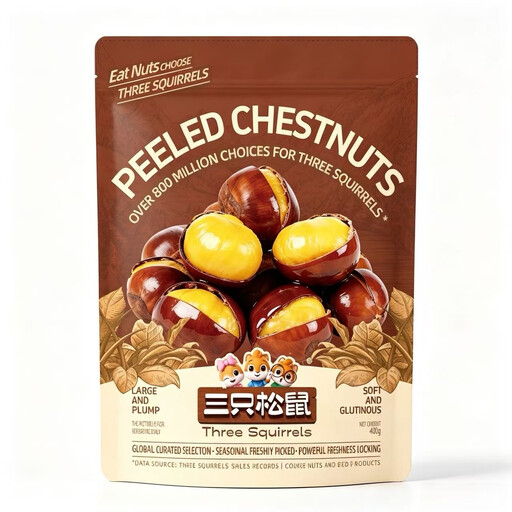
Three Squirrels New & Unique Sweet Chestnut Kernels 400g
The product information describes individually wrapped chestnut kernels that can be eaten straight from the pack. They’re a quick option if chestnuts suit your diet.
Ingredients: 100% chestnut kernels.
View at Joybuy
Frequently asked questions
Are nuts an allergen-free snack?
No. Nuts aren’t universally allergen-free, and peanuts need to be considered as a separate allergen. Whether a product is suitable if you need to avoid another substance depends on the ingredients and information for that specific product.
Is lactose-free the same as suitable for a cow’s milk allergy?
No. Lactose intolerance relates to milk sugar, while a cow’s milk allergy is a reaction to milk proteins. So don’t use a lactose-free label as proof that a product or breakfast combination is suitable for someone with a cow’s milk allergy.
What should I look for if I need to eat gluten-free?
The Dutch Coeliac Society advises looking for the Crossed Grain symbol, a gluten-free logo or the words ‘gluten-free’ when reading labels. Check the exact product: being in the nuts category alone doesn’t confirm that a processed snack is suitable.
What allergen information is shown on pre-packed products?
According to the Netherlands Food and Consumer Product Safety Authority, allergen information must appear on the labels of pre-packed products. This requirement doesn’t guarantee that a product is suitable for everyone with an allergy; consider the information in light of the advice you’ve received about what to avoid.
Can I divide nuts into portions in advance?
Yes, this can be practical if the product suits your diet. Keep the original packaging, or make sure the ingredients and allergen information remain available with the portions you’ve prepared.


