
Portion-conscious picnickers
If you want to take nuts with you and decide in advance how many grams to eat, compare the nutritional information on the same weight basis and weigh your portion.


First, weigh the portion you plan to take with you, then compare the nutritional information per 100 g. A smaller portion doesn’t make a product low in calories. According to the European Commission, the claim ‘low energy’ can only be used for solid foods containing no more than 40 kcal per 100 g, and the nut examples covered here are above that limit. Unsalted, uncoated and seasoned varieties also differ in their ingredients and salt content, so check the packaging of the exact variety.
If you want to take nuts with you and decide in advance how many grams to eat, compare the nutritional information on the same weight basis and weigh your portion.
If you prefer unsalted, uncoated nuts to a strongly flavoured snack, check the ingredients and preparation method of the exact variety.
If several people will be eating from the same pack, clear ingredient information and careful storage are useful. If anyone has an allergy or young children are present, check the information on the packaging.
First decide how much you want to eat, then choose according to the ingredients and flavour. Finally, think about carrying, storing and sharing your snack.
| What to consider | What should you check? | Who is this important for? |
|---|---|---|
| Calories per portion | Compare kcal per 100 g and weigh out the amount you plan to eat. | If I want to know in advance how much energy my portion provides, I compare the same quantity and weigh it out. Around 36% of consumers put calorie planning first. |
| Ingredients and flavour | Check the proportion of nuts, added oil, salt, sugar and any coating ingredients. | If I’m choosing between plain nuts and a savoury coating, I want to know what else is in the product. Around 29% of consumers prioritise ingredients. |
| Taking them along and storage | Check the net weight, how many people will be eating and the storage instructions after opening. | If I’m taking food to a picnic and want to keep any leftovers, I look for a suitable quantity and packaging that seals securely. Around 21% of consumers put picnic convenience first. |
| Sharing safely | Read the allergen information and warnings for everyone who will be eating. | If someone with an allergy or young children will be eating, I check the ingredients and warnings on that exact pack. Around 14% of consumers make safe snacking together their top priority. |
A small portion may contain fewer calories, even though the product itself isn’t low in calories per 100 g. For solid foods, the European Commission sets a maximum of 40 kcal per 100 g for the claim ‘low energy’.
First compare the values per 100 g, then calculate them for your weighed portion. Don’t treat a suggested portion size as proof that a product is low in calories.
These descriptions tell you something about how a product is made, but they don’t in themselves mean it contains less energy. For example, Jumbo Unroasted Pistachios list 637 kcal per 100 g.
Read the nutritional information for the exact variety, and check the salt content of seasoned products too.
A crunchy coating has its own ingredients and may contain additional allergens. Information for Duyvis Borrelnootjes Cocktail, for example, lists wheat and milk as well as peanuts.
Check the proportion of peanuts and the full ingredients and allergen information. Keep the packaging if you’re sharing the snack.
The contents of a bag or tub aren’t automatically the amount you want to eat yourself. The Netherlands Nutrition Centre also advises storing nuts in a dry place in a tightly sealed container after opening.
Measure out the amount you want to take with you in advance, then seal the rest securely.
The range includes coated savoury snacks and oven-roasted nut mixes.
AH Unsalted Cashews, 170 g, are an example of an unsalted cashew variety.
The product pages distinguish between a 200 g unsalted pistachio variety and 95 g shelled, unroasted pistachios.
Lidl’s Alesto range includes both natural nuts and snacks with a seasoned dough coating.
ALDI lists TRADER JOE’S roasted, unsalted cashews in a 250 g pack.
PLUS Unsalted Fairtrade Cashews, 200 g, are an example of an unsalted cashew variety.
The products below range from plain or unsalted nuts to seasoned peanuts and edible chestnuts. Check the label for each variety and portion it separately; a smaller pack doesn’t tell you how many kcal the product contains per 100 g.
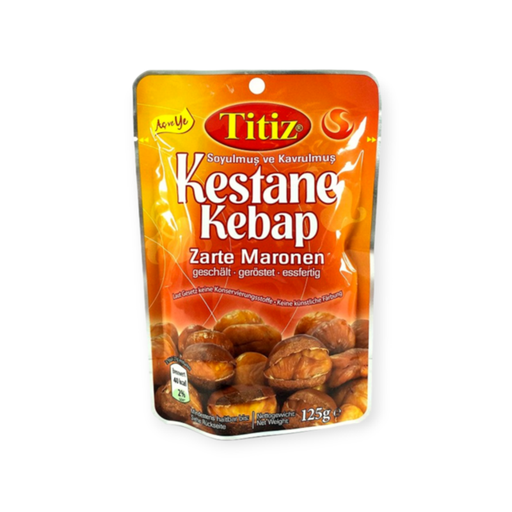 No image available
According to the product information, this 125 g pack is ready to eat and contains 100% chestnuts.
The product description lists 170 kcal per 125 g pack.
 No image available
An option if you want to take unsalted, unroasted almonds with you and weigh out your own portion.
The product information lists 591 kcal per 100 g and advises keeping the pack sealed after opening. Contains almonds.
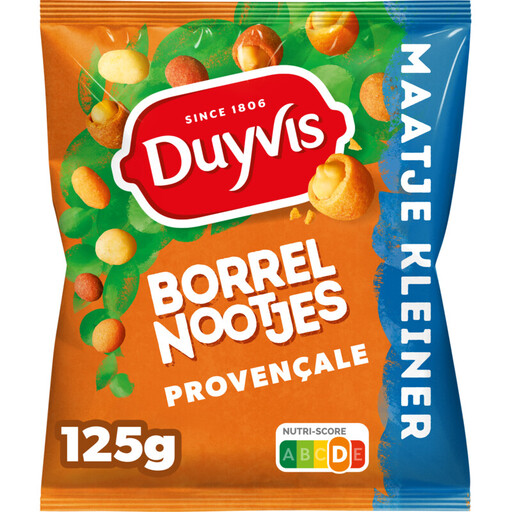 No image available
This variety is a good fit if you’re looking for a savoury snack with a crunchy coating; the product information lists 50% peanuts.
The nutritional information lists 527 kcal and 1.2 g salt per 100 g. The description gives a portion size of 30 g and 4–5 portions per pack. Contains peanuts and wheat; may contain milk, other nuts, soya and mustard.
 No image available
A ready-to-eat cashew variety that you can portion yourself or share with others.
The product information lists 596 kcal per 100 g. Contains cashews.
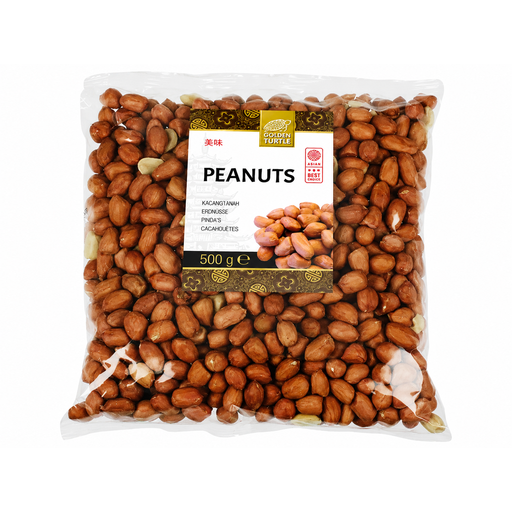 No image available
An option if you want to decide how to prepare your peanuts; the product information describes them as raw and with their skins on.
The product information lists 567 kcal per 100 g and suggests roasting and seasoning as possible ways to prepare them. Contains peanuts.
For solid foods, the European Commission’s ‘low energy’ nutrition claim requires a maximum of 40 kcal (170 kJ) per 100 g. A small portion doesn’t change this requirement; the nuts and coated peanut snacks covered here don’t meet this limit.
No. For an accurate portion, it’s best to use scales. The Netherlands Nutrition Centre defines a handful of unsalted nuts as 25 g, while the product information for Duyvis Borrelnootjes Cocktail at Albert Heijn gives a portion size of 30 g. So don’t compare portions without taking their weight and the exact variety into account.
Take the planned amount in a tightly sealed container and store any leftovers in a dry place in a sealed container. The Netherlands Nutrition Centre advises storing nuts in a dry place in a tightly sealed container; also follow the instructions on the packaging of your product.
Read the ingredients and allergen warnings on the packaging for the exact variety. The NVWA requires clear allergen information; for Duyvis Bran Nuts Provençale, the product information lists wheat as well as peanuts and notes that it may contain other allergens, including milk. Whether a product is suitable depends on the allergy and the information on the pack.
Don’t assume that they can. The product information for the AH, Jumbo and PLUS nut varieties mentioned warns of a choking risk for young children. Check the packaging if young children will be eating.