What should you look for when buying?
First choose a form and ingredients that suit the children and meet the nursery’s requirements. Then compare pack sizes and prices per kilogram.
| What to consider |
What should you check? |
Who is this most important for? |
| Suitable texture |
For young children, choose a suitable spread rather than serving whole nuts. |
If you’re packing lunch for young children, you’ll want a form that’s right for their age and the nursery setting. Around 28% of consumers prioritise a suitable texture. |
| Allergens and nursery policy |
Read the ingredients and warnings, and check with the nursery before choosing a product. |
If allergy arrangements or nursery policy are a deciding factor, you’ll want to know which nuts or peanuts the product contains. Around 28% of consumers prioritise allergens and nursery policy. |
| Price per kilogram |
Compare the same product by weight and take into account how much you’ll actually use. |
If you use it regularly, you’ll want to know whether you can make practical use of a larger pack. Around 22% of consumers focus primarily on the price per kilogram for the amount they’ll use. |
| Ingredients |
Check the ingredients list, the types of nuts and any added ingredients. |
If you’re looking for a particular sandwich filling or a specific mix, you’ll want to know exactly what’s in it. Around 11% of consumers prioritise the ingredients. |
| Stock and storage |
Follow the storage instructions for the exact product and choose an amount that suits how much you use. |
If you only use it occasionally, you’ll want to avoid leaving a large opened pack unused. Around 11% of consumers prioritise suitable quantities and storage. |
Products at Joybuy
This selection includes nut butter and whole nuts for storing or preparing further; whole nuts aren’t a ready-to-serve lunch for young children.
 No image available
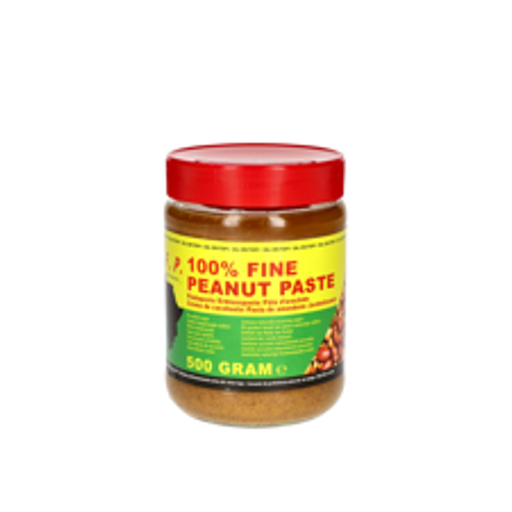
A.F.P. Fine peanut butter 500 g
Consider this only if peanuts are permitted under the nursery’s allergen arrangements.
The product information lists 100% roasted peanuts, with no added sugar or salt, and says it can be used as a sandwich filling.
Joybuy
 No image available
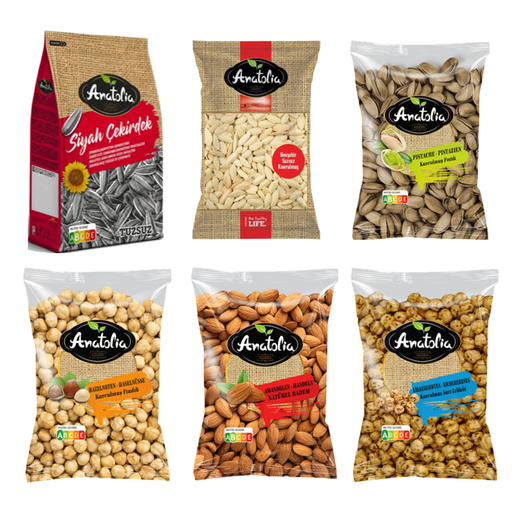
NUTS Deal mix with seeds, nuts and chickpeas
The product description suggests using it as a snack or ingredient, not as a ready-to-serve lunch for young children.
The title lists sunflower seeds, pumpkin seeds, pistachios, hazelnuts, almonds and chickpeas.
The product description warns of a choking risk; don’t serve this directly to young children.
Joybuy
 No image available
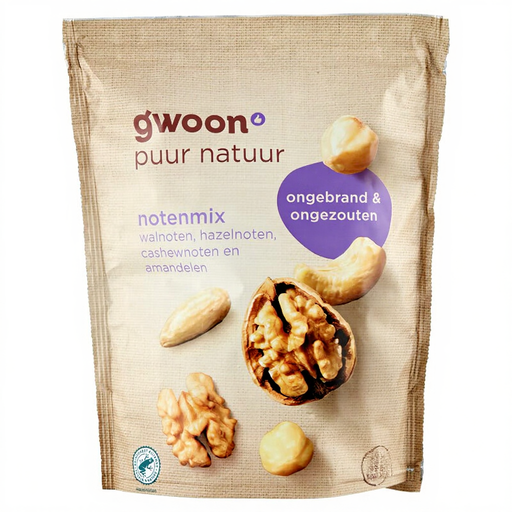
g’woon unroasted mixed nuts 500 g
Suitable for adults’ supplies or further preparation, not for serving directly to young children.
The product information lists a pack size of 500 g and describes the mix as unroasted and unsalted.
The mix contains hazelnuts, walnuts, almonds and cashews. The product information says it may contain traces of peanuts and other nuts. Amsterdam UMC warns of the choking risk from whole nuts.
Joybuy
 No image available
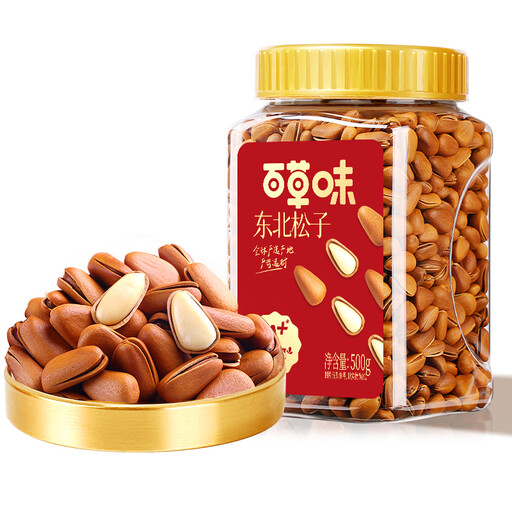
BE&CHEERY Northeast pine nuts 500 g
The suggested uses include further preparation, such as pesto and salads; this isn’t a ready-to-serve lunch for toddlers.
The product information lists at least 98% pine nuts and vegetable oil.
Check that pine nuts meet the nursery’s allergen arrangements. Amsterdam UMC warns of the choking risk from whole nuts.
Joybuy
 No image available
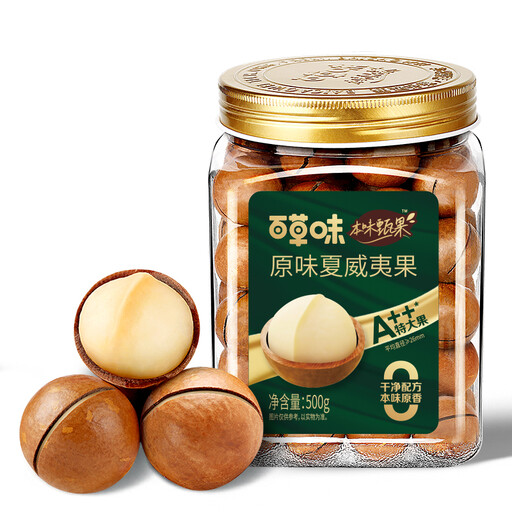
BE&CHEERY Premium macadamia nuts 500 g
The suggested uses are baking and desserts, not serving directly to young children.
The product information lists 100% macadamia nuts, with no added salt, sugar or seasoning.
Check that macadamia nuts meet the nursery’s allergen arrangements. Amsterdam UMC warns of the choking risk from whole nuts.
Joybuy
Frequently asked questions
Can I finely chop whole nuts for a toddler’s lunch?
For a nursery lunch, choose a suitable spread rather than whole nuts or randomly chopped pieces. The Netherlands Nutrition Centre recommends nut butter or peanut butter with no sugar or salt for children up to and including four years old. Amsterdam UMC also warns that whole nuts can cause choking in older children.
Is 100% peanut butter automatically suitable for someone with a nut allergy?
No, you can’t tell from the 100% label alone. The PLUS products reviewed contain peanuts and may contain cashews. Check the exact label and make sure the product meets the arrangements for the child in question.
When is a large pack of peanut butter useful?
A larger pack may be a good choice if you use the spread regularly and can store it properly. Compare the same product by price per kilogram, and first check that peanuts and any warnings meet the nursery’s policy.
What hygiene practices should the nursery follow when preparing lunch?
RIVM KIDDI recommends following the Hygiene Code for Small Institutions or another approved code that covers all activities. Everyone involved in food handling must follow the relevant code.
Does the storage advice for a bag of nuts also apply to nut butter?
Don’t assume it does: follow the instructions for the specific product when storing nut butter and prepared sandwich fillings. The Netherlands Nutrition Centre gives storage advice for mixed unsalted nuts, but that isn’t necessarily the same as advice for nut butter.


