
Lunch for a young child
You want to put together a practical lunch and are wondering whether a small packet of nuts is suitable. For children under 4, the Voedingscentrum and Amsterdam UMC recommend nut butter instead of whole nuts or peanuts.


For children under 4, a packet of whole nuts isn’t a suitable lunch option: the Voedingscentrum and Amsterdam UMC recommend nut butter instead of whole nuts or peanuts. Choose nut butter only if the child’s individual dietary plan and nursery arrangements allow nuts, and check the texture and allergens of the specific product. A snack pack may be handy for an adult supervising the child, but the packaging doesn’t make whole nuts suitable for a young child’s lunch.
You want to put together a practical lunch and are wondering whether a small packet of nuts is suitable. For children under 4, the Voedingscentrum and Amsterdam UMC recommend nut butter instead of whole nuts or peanuts.
You need to take account of an individual nut allergy or arrangements made with the nursery. The ingredients, allergen information and individual dietary plan are more important than convenient packaging. The Voedingscentrum provides information about food policies in childcare settings.
You want to include nuts in a lunch prepared in advance, rather than sending loose nuts with your child. Nut butter may be an option if nuts are allowed; check the texture and the latest product information.
Choose this when: the pack is a snack for an adult supervising the child and nursery arrangements allow it. It isn’t suitable as part of the lunch of a child under 4.
Bear in mind: smaller packaging doesn’t change the form of the nuts. Duyvis lists packs including 40gr and multipacks of 4x30gr; these aren’t established as children’s portions.
Choose this when: nuts are allowed under the child’s individual dietary plan and the nursery arrangements. The Voedingscentrum and Amsterdam UMC recommend nut butter as an alternative to whole nuts for young children.
Bear in mind: you’ll need to prepare lunch in advance and check the texture and ingredients. Nut butter is still a nut product, so it isn’t suitable for a dietary plan that excludes nuts.
Choose this when: the individual allergy plan excludes nuts, or the nursery has agreed that children shouldn’t bring nut products.
Bear in mind: this also rules out nut butter. Choose other lunch items in line with the dietary plan and nursery arrangements.
| What to consider | What to check | Who cares most about this? |
|---|---|---|
| Product form and age | Check whether the product contains whole nuts or peanuts. For children under 4, the Voedingscentrum and Amsterdam UMC recommend nut butter instead of whole nuts. | When I’m preparing lunch for a child under 4, I check the product form and choking risk first; around 31% of consumers put this first. |
| Allergens and nursery arrangements | Read the ingredients and any warnings about possible cross-contamination, and make sure the lunch fits the child’s individual allergy plan and the nursery arrangements. | If allergy or nursery arrangements apply, I want to know first whether a product meets them; around 31% of consumers prioritise this. |
| Taking it along and preparing it | Check whether a pack contains individual portions and who they’re intended for. Don’t automatically assume a manufacturer’s serving is suitable for a child. | When I’m preparing an allowed lunch in advance, I want to know how practical it is to take along; around 19% of consumers put this first. |
| Nut butter ingredients | Check the ingredients and texture of the specific product. For young children, the Voedingscentrum and Amsterdam UMC recommend choosing nut butter without added sugar or salt. | When I’m considering nut butter, I want to know what it contains and whether the texture is suitable; around 19% of consumers give ingredients top priority. |
Packaging whole nuts in individual portions doesn’t change their form. For children under 4, the Voedingscentrum and Amsterdam UMC recommend nut butter instead of whole nuts or peanuts.
Don’t include whole nuts or peanuts as a snack to eat directly for a child under 4. Consider nut butter only if the dietary plan and nursery arrangements allow it.
Labels such as ‘unsalted’ or ‘organic’ don’t mean a product is free from nut allergens. Nut butter is still a nut product.
Check the ingredients and warnings separately from the product name, and follow the individual allergy plan.
Duyvis lists packs of 40gr and a multipack of 4x30gr for Unsalted Nutmix Walnut. This doesn’t establish that these servings are suitable for a child’s lunch.
First decide who the snack is for and which product form is suitable. Don’t treat the pack size as dietary advice for a child.
Duyvis lists several pack sizes for Unsalted Nutmix Walnut, including 40gr and a multipack (4x30gr).
Albert Heijn lists AH 100% Almond Nut Butter as a product range.
Jumbo lists 100% Almond Butter 180 g as a product range.
Lidl Netherlands lists Unsalted Californian Pistachios.
ALDI lists TRADER JOE’S Unsalted Nut Mix; TRADER JOE’S is the product brand.
PLUS lists BioToday Organic Mixed Nut Butter, jar 170 g. BioToday is the product brand.
These products are suitable for a lunch with peanut butter or as a separate snack for an adult supervising the child. Peanut butter contains peanuts; a nut mix containing whole nuts isn’t suitable as a snack to eat directly for a child under 4.
 No image available
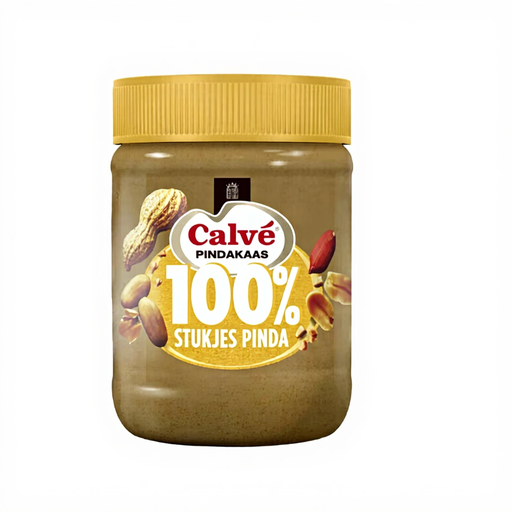
The product description presents this as a spreadable option for a lunch prepared in advance.
The product information states that it contains 100% peanuts, with no added sugar or salt. Contains peanuts; not suitable if the individual allergy plan excludes peanuts.
 No image available
The spreadable form may work well in a lunch prepared in advance, if peanuts are allowed.
The product title states that it’s 100% peanut butter and weighs 350 g. Contains peanuts; not suitable for anyone with a peanut allergy.
 No image available
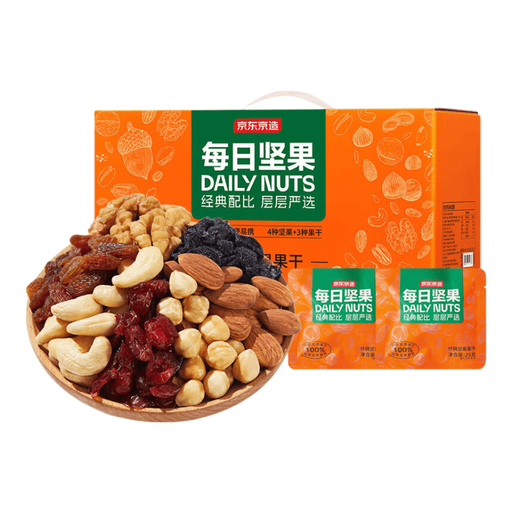
These individual sachets are suitable as a snack for an adult supervising the child while out and about, not for a young child’s lunch.
The product information lists 30 sachets of 25 g containing nuts and dried fruit. Contains whole nuts; don’t choose this as a snack to eat directly for a child under 4, or if the allergy plan excludes nuts.
No. For children under 4, the Voedingscentrum and Amsterdam UMC recommend nut butter instead of whole nuts or peanuts because of the choking risk. The size of the packet doesn’t change the form of the product.
No. Don’t treat a child’s fourth birthday as automatic approval. Amsterdam UMC refers to children under 4, while the Voedingscentrum advises giving children aged 4 and under only nut butter or peanut butter. Choose a suitable product form and follow the arrangements made for the child.
Not as a substitute for nuts when the dietary plan excludes them. Nut butter is still a nut product. Follow the individual allergy plan and agree on food arrangements with the nursery.
Check the ingredients, listed allergens and any warnings about possible cross-contamination. The Netherlands Food and Consumer Product Safety Authority provides information about allergen labelling rules and has been enforcing new rules on warnings about possible cross-contamination since 1 January 2026. Check the current packaging too.
Check the ingredients and allergens on the packaging of the product you receive. Albert Heijn recommends reading the packaging, as product information can change. If anything is unclear, contact the seller.