
A lunchbox snack with no preparation
You want to take an individual sachet on a night shift and know in advance how much it contains. Albert Heijn Leefstijl recommends preparing snacks in advance and portioning them out.


Choose individual sachets if you want to take or share a measured portion without any preparation. A larger loose pack is a better fit if you want to decide the portion size yourself. Before buying, check the number of sachets, the weight per sachet, the ingredients and the allergens. A nut and fruit mix is different from a product containing nuts only, and a salted portion pack won’t suit everyone.
You want to take an individual sachet on a night shift and know in advance how much it contains. Albert Heijn Leefstijl recommends preparing snacks in advance and portioning them out.
You’re looking for individual sachets to share, and want the ingredient and allergen information to be available to everyone receiving one. The Netherlands Food and Consumer Product Safety Authority explains the allergen information required on prepacked foods.
You want to decide how many unsalted nuts to put in a container, and don’t mind doing a little preparation. A larger loose pack is an alternative to a multipack.
| What to consider | What should you check? | Who is this important for? |
|---|---|---|
| A suitable amount with no preparation | Check the number of individual sachets and the weight per sachet, not just the total weight. | If I want to take a snack in my lunchbox without portioning it out in advance, I focus on the number of sachets and the amount in each one. Around 33% of consumers prioritise convenience when taking snacks with them. |
| Sharing individual portions | Check how many sachets are in the box and keep the allergen information for the exact product packaging available. | When sharing with colleagues, I want to know how many individual sachets there are and whether the contents are suitable for the recipients. Around 25% of consumers prioritise sharing individual portions. |
| The ingredients you want | Read the ingredients and check whether the variety is salted, contains fruit or lists any allergens. | If I’m looking for a particular combination, such as unsalted nuts without fruit, I check the exact variety. Around 25% of consumers prioritise the product’s ingredients. |
| Choosing and storing your own portions | A loose pack means portioning the contents yourself. Use airtight containers and follow the product’s storage instructions. | If I want to choose the amount for each snack break, I’m happy to do some preparation and check how to store the opened pack. Around 17% of consumers prioritise portioning snacks themselves. |
A pack weighing, for example, 200 or 500 grams doesn’t necessarily contain individual snack sachets.
Check the number of inner packs and the weight per sachet. Treat a loose pack as an option for portioning the contents yourself.
Duyvis Unsalted Cranberry is a nut and fruit mix containing cranberries, raisins and pumpkin seeds, among other ingredients.
Read the ingredients list if you’re specifically looking for a product without fruit.
Duyvis cranberry mix contains nuts and may contain peanuts; the salted peanut portion pack may contain nuts.
When sharing, keep the ingredients and allergen information for the exact product packaging available.
The Dutch product listings mentioned here include both small individual sachets and larger portion packs.
The 500-gram AH Unsalted Nut Mix is an option if you want to make your own portions.
The 200-gram Jumbo Unsalted Nut Mix is a loose pack for putting together your own snack portions.
Lidl offers nuts and dried fruit under the Alesto brand, for anyone who wants to choose what goes into their snack.
The 500-gram Trader Joe’s Unsalted Nut Mix mentioned here is suited to portioning yourself.
The PLUS Unsalted Nut Mix in a 200-gram stand-up pouch is an option for making your own snack portions.
These products are suitable if you want individual snack sachets to take with you or share, or a larger pack for portioning yourself. For mixed products, check the ingredients and allergens for the exact variety.
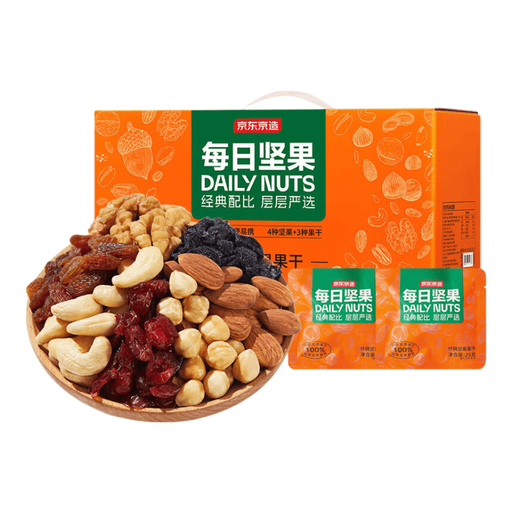 No image available
Suited to anyone who wants to take individual portions with them or spread them across several snack breaks.
The product name lists a 750 g pack containing 30 sachets. It’s a mix of nuts and dried fruit; the product information also mentions a desiccant sachet, which is not edible.
 No image available
Suited to anyone who wants to take several individual sachets with them or divide them between shifts.
The product name lists five 23 g sachets. As well as nuts, the mix contains raisins and cranberries.
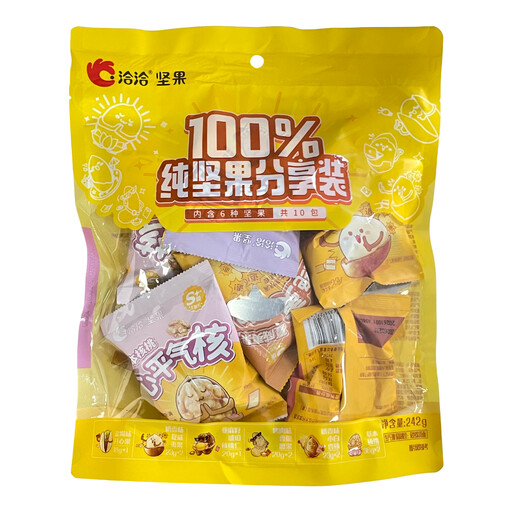 No image available
Suited to anyone who wants to share nuts individually; the product information says they’re individually packed.
The assortment includes seasoned and salted varieties. Check the ingredients and allergens for each flavour; the product information lists gluten, sesame and milk, among other things.
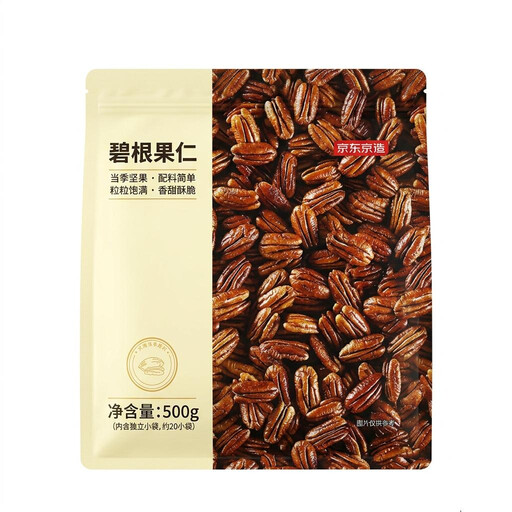 No image available
Suited to anyone who wants to choose the amount for each snack break and doesn’t need individual inner sachets.
The product name lists a 500 g pack. The product information mentions sugar and salt; this isn’t a multipack with confirmed individual portion sachets.
No. The weight of a sachet tells you how much is in the pack. The Netherlands Nutrition Centre recommends eating a handful of unsalted nuts each day and varying the types you eat, so a sachet doesn’t automatically contain the recommended amount.
Keep them in a sealed container in a cool, dry place, and follow the storage advice on the product packaging. For mixed salted nuts, the Netherlands Nutrition Centre also recommends storing them somewhere dark.
Not necessarily. The Netherlands Nutrition Centre gives separate storage advice for mixed salted nuts and borrel nuts. Check the correct product category and follow the instructions on the packaging.
Check the ingredients and allergen information for the exact product packaging, and make it available to everyone receiving a sachet. The Netherlands Food and Consumer Product Safety Authority says that allergen information must be provided on prepacked foods. According to the NVWA, new rules have applied since 1 January 2026 on how and when food businesses must warn about the unintended presence of allergens due to cross-contamination.