
Parents looking for lower-fat options
You want to know exactly what a lower-fat claim is comparing. Oven-baking without added fat or choosing an unsalted variety does not, on its own, prove that the product has a lower total fat content.


You don’t automatically need to choose a lower-fat product for an everyday nut snack: the Netherlands Nutrition Centre includes unsalted nuts in its Wheel of Five, but unsalted doesn’t mean low in fat. Compare the exact claim and nutrition table, and choose a portion that fits your eating habits. If you’re breastfeeding, the Netherlands Nutrition Centre advises against actively dieting.
You want to know exactly what a lower-fat claim is comparing. Oven-baking without added fat or choosing an unsalted variety does not, on its own, prove that the product has a lower total fat content.
You look at the ingredients and portion size, not just one claim on the front of the pack. The Netherlands Nutrition Centre includes unsalted nuts in its Wheel of Five; if you’re breastfeeding, it advises against actively dieting.
You compare pack size, how you’ll use the product and how to store it. A larger pack or an ‘unsalted’ description doesn’t automatically tell you anything about the fat content.
| What to consider | What to look for | Who it matters most to |
|---|---|---|
| What the fat claim means | Check the exact claim and the comparison category it refers to; compare nutritional values on the same basis. | If you’re mainly looking for a demonstrable difference in fat content, you’ll want to know exactly what’s being compared. For around 36% of consumers, this fat comparison is the top priority. |
| Ingredients and portion size | Check whether the nuts are unsalted and review the nutritional values for the amount you eat. | If you’re looking for an everyday unsalted snack with a suitable portion size, the overall nutritional profile matters. Around 29% of consumers prioritise this when choosing food. |
| Packaging and storage | Compare the net weight of the same variety and follow the storage instructions after opening. | If you need a pack that fits the way you shop and use the product, pack size and storage are practical considerations. These are the top priorities for around 21% of consumers. |
| Safety at home | Read the ingredients and allergen information, and consider the form of the snack if you have young children at home. | If you need to take allergies or young children into account, a fat claim isn’t what determines whether a product is safe to use. Around 14% of consumers prioritise these household considerations. |
The method of preparation doesn’t tell you how much fat the finished product contains. For the ‘low fat’ claim on solid foods, the European Commission sets a maximum of 3 grams of fat per 100 grams.
Read the nutrition table and decide whether you’re looking for less added fat, less total fat or a smaller portion.
According to the Netherlands Nutrition Centre, breastfeeding requires extra energy and nutrients, and actively dieting is not recommended.
If you’re breastfeeding, make sure getting enough energy and eating a varied diet take priority, rather than following a general rule to buy low-fat nuts.
Whole nuts can cause choking in children under four, warns the MDL Fonds. A fat claim doesn’t change the form of the snack.
Treat whole nuts and party nuts as snacks for parents, not as baby food.
A price comparison only makes sense if you compare the same variety and a similar quantity, even when pack sizes differ.
Compare the pack size and price per kilogram for the same variety, and choose a pack that suits the way you use it.
Useful for distinguishing oven-baking without added fat from a specific comparative fat claim.
AH Terra unroasted mixed nuts are a specific nut mix you can compare with products that make a particular fat claim.
Useful if you want to compare unsalted cashews and pack sizes.
Unsalted Californian pistachios are a useful example of an unsalted option.
The product page for Trader Joe’s roasted, unsalted cashews lists a 250-gram pack.
PLUS is relevant if you’re looking for unsalted nuts, as it has a category for them.
This selection at Joybuy ranges from ready-to-eat chestnuts to regular nuts. Always compare the fat content with the nutrition table for the specific variety.
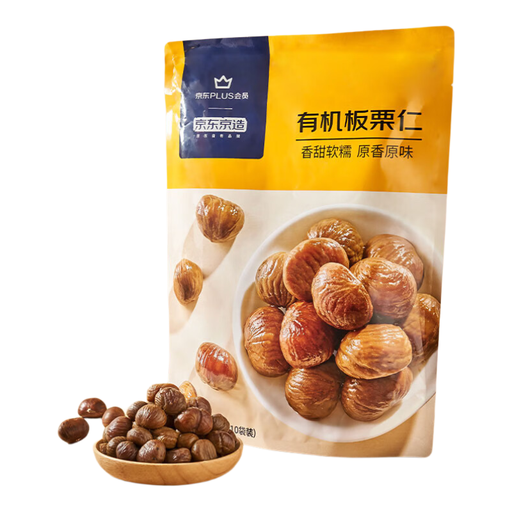 Image unavailable
A good choice if you’re looking for a ready-to-eat chestnut snack that’s already divided into bags.
The pack contains 1 kg divided into 10 bags. Check the nutrition table on the current pack if fat content is your main criterion.
 Image unavailable
A good choice if you’re looking for roasted cashews with no added salt.
Unsalted doesn’t mean low-fat. Don’t choose this variety based on a low-fat claim; check the nutrition table for that information.
 Image unavailable
A good choice if you’re looking for almonds to snack on or use in cooking.
The pack contains 500 gr. Check the nutrition table and ingredients for this variety if you’re keeping an eye on fat or salt.
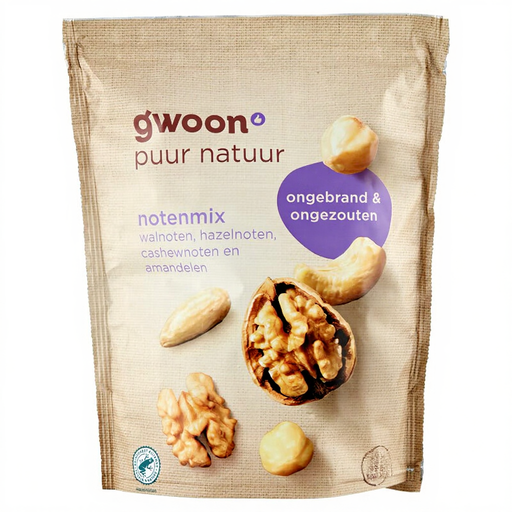 Image unavailable
A good choice if you’re looking for an unroasted nut mix rather than just one type of nut.
The pack contains 500 g. Check the ingredients, allergen information and nutrition table for the mix; being unroasted says nothing on its own about total fat.
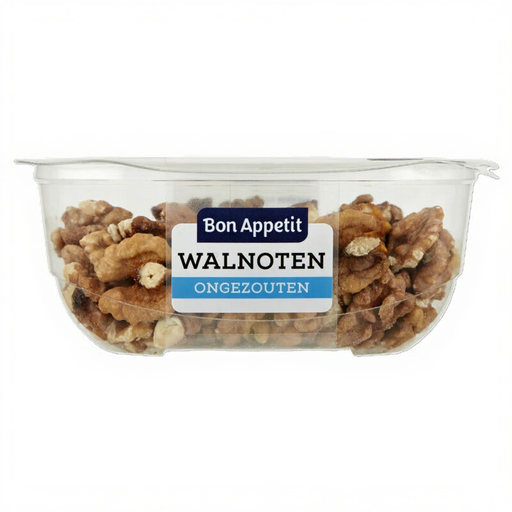 Image unavailable
A good choice if you’re looking for unsalted walnuts in a 110 g pack.
Being unsalted says nothing about the total fat content. Check the nutrition table and choose a portion to suit how much you want to eat.
No, they are different claims. For the ‘low fat’ claim on solid foods, the European Commission sets a maximum of 3 grams of fat per 100 grams. A ‘reduced fat’ claim requires you to look closely at the exact comparison and reference product.
No, the available nutritional information gives new parents no general reason to buy low-fat nuts. If you’re breastfeeding, the Netherlands Nutrition Centre emphasises that you need extra energy and nutrients, and advises against actively dieting.
Treat the whole nuts and party nuts covered here as snacks for parents, not as baby food. The MDL Fonds warns that whole nuts are unsafe for children under four because they can cause choking.
Check the ingredients list and allergen information on the specific pack. According to the NVWA, allergen information must appear on the label of pre-packed products, and allergens must be clearly distinguishable from the other ingredients.
No. The Netherlands Nutrition Centre uses 25 grams as an example portion when giving general nutritional values for unsalted nuts; it isn’t a fixed daily recommendation for every new parent or every type of nut.