What should shoppers look out for when choosing nuts for marathon training?
Start by thinking about when you’ll eat them: fuelling during a long session calls for a different approach from a snack between sessions or just before setting off.
| What to consider |
What should you check? |
Who should pay particular attention? |
| Fuel during training |
Check the carbohydrates per 100 g and per portion, and consider whether the snack is practical to eat on the go. Factor in your hydration plan too. |
If I need something to eat on the go during a long training session, I focus on what each portion provides and how easy it is to eat. Around 28% of shoppers put fuelling during training first. |
| Fat and energy per portion |
Compare nutritional values on the same basis and, if there’s a comparative claim, check which reference product is being used. |
When choosing a snack and keeping an eye on fat or energy, I compare the label with the amount I’ll actually eat. Around 22% of shoppers make this their main consideration. |
| Comfort before running |
Consider how long you have before setting off, portion size, and the combined amounts of fat, protein and fibre. The Netherlands Nutrition Centre recommends having a meal around 2 to 3 hours before exercise. |
If I’m going running soon after eating, I want to take my own tolerance into account rather than focusing only on the fat figure. Around 22% of shoppers prioritise comfort when eating around a run. |
| Ingredients and salt |
Check the ingredients, salt content and allergen information on the exact pack. Unsalted doesn’t mean low-fat. |
For a snack between training sessions, I want to know which nuts and other ingredients it contains, and how much salt is in it. Around 17% of shoppers choose snacks for everyday eating mainly based on their ingredients. |
| Portioning and storage |
Check the pack size, any portion guidance and the storage instructions after opening. |
If I want to split a bag of nuts across several occasions, I look for easy portioning and good storage instructions. Around 11% of shoppers prioritise these practical considerations. |
Nut and peanut snacks at Joybuy
These Joybuy products are nut and peanut snacks for between meals. Compare their nutritional values and portion sizes with your own plan; not all the products listed are low-fat.
 No image available
g’woon unsalted peanuts, 250 g
An option if you’re looking for unsalted peanuts to snack on between training sessions.
The nutritional information provided lists 50 g of fat per 100 g. The product contains peanuts and may contain cashews.
Joybuy
 No image available
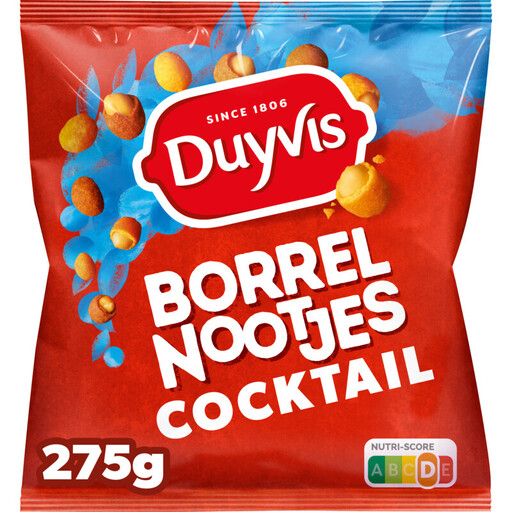
Duyvis Cocktail Nuts, 275 g
A snack to consider if you want to tailor the portion to your own nutrition plan.
The nutritional values provided are 34 g of fat and 1,4 g of salt per 100 g. The product contains peanuts, wheat/gluten and milk/lactose, and may contain traces of nuts, soya and mustard.
Joybuy
 No image available
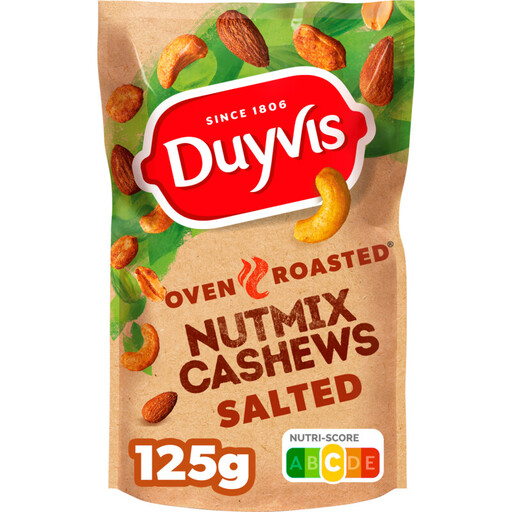
Duyvis Dry-Roasted Mixed Nuts, 125 g
A roasted mix for anyone looking for a ready-to-eat nut snack.
The nutritional information provided lists 47 g of fat per 100 g; dry-roasting doesn’t in itself mean the mix is low-fat. The mix contains peanuts, almonds and cashews.
Joybuy
 No image available
g’woon roasted unsalted cashews, 200 g
An option if you’re looking for a roasted, unsalted cashew snack.
The nutritional information provided lists 46,67 g of fat per 100 g. The product contains cashews.
Joybuy
 No image available
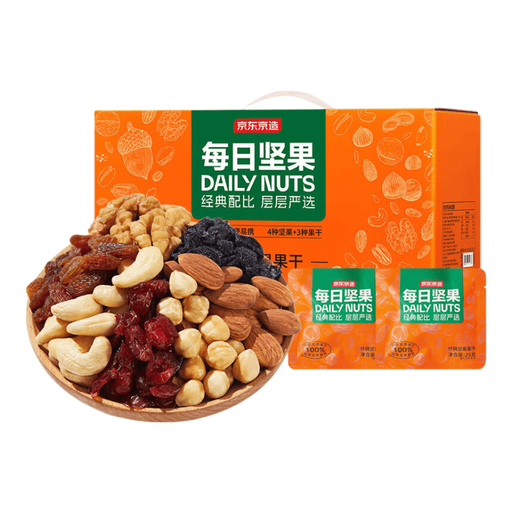
J.ZAO Classic Daily-Nut Mix, 750 g / 30 sachets
The individual sachets can be handy if you want to take a snack portion with you.
The nutritional information provided lists 40,7 g of fat per 100 g. The mix contains walnuts, almonds, cashews and hazelnuts.
Joybuy
Frequently asked questions
Are unsalted cashews automatically low-fat?
No. The product information for Jumbo Unsalted Cashews lists 48,6 g of fat per 100 g. The Netherlands Nutrition Centre says that, for solid foods, a product must contain no more than 3 g of fat per 100 g to be described as ‘low-fat’. So unsalted doesn’t mean low-fat.
Does a nutrition claim mean nuts will improve my marathon performance?
No. A nutrition claim relates to a product’s composition, not automatically to sporting performance. The Netherlands Food and Consumer Product Safety Authority explains that food claims are subject to specific conditions; choose your training food based on the nutritional role you need it to play.
What can I eat if I’m going running soon afterwards?
Think about how long you have before setting off, and avoid having a large portion just before exercise. The Netherlands Nutrition Centre recommends having a meal around 2 to 3 hours before exercise, and advises considering foods that are high in fat, protein or fibre if eating shortly beforehand.
How should I store an opened bag of nuts?
Follow the storage instructions for the exact product. Albert Heijn recommends storing the nut mix examined in a cool, dry place and closing the pack securely; for the oven-roasted mix examined, Duyvis recommends transferring it to a light- and airtight container after opening.
If I have a nut or peanut allergy, can I rely on the product name alone?
No. Check the ingredients and allergen warnings on the pack of the exact product you want to eat. This information can vary between products and recipes.


