
Less fat per snack occasion
For anyone who wants to snack on nuts while picking up chips and is mainly keeping an eye on the fat and energy in that extra snack. Compare the nutritional values and weigh the portion you actually eat.


If you want to cut down on the fat and energy in your nut snack, choose a smaller portion and weigh it out in advance. This changes how much you eat, not the fat content per 100 g. Unsalted nuts and nuts without added cooking fat are options if you’re watching your salt intake or how they’re prepared, but that alone doesn’t mean they contain less fat.
For anyone who wants to snack on nuts while picking up chips and is mainly keeping an eye on the fat and energy in that extra snack. Compare the nutritional values and weigh the portion you actually eat.
For anyone who would rather choose unsalted nuts than a seasoned flavour. Unsalted tells you about added salt, not the total fat content.
For anyone looking for roasted peanuts and specifically avoiding added oil or fat. Consider this preparation method separately from the nutritional values per 100 g.
For this snack occasion, you can choose a smaller portion, focus on the fat content, or prioritise salt and how the nuts are prepared. Decide which matters most to you, then check the packaging.
| What to consider | What should you check? | Who might prioritise this? |
|---|---|---|
| Fat content | Compare total fat per 100 g and check whether a claim refers to fat, energy or something else. For a low-fat claim, the European Commission sets a limit of 3 g of fat per 100 g for solid foods. | If I mainly want to know whether a product really contains less fat, I compare products on the same weight basis and check the claim. Around 36% of consumers prioritise fat content. |
| Portion size | Weigh the amount you want to eat and use the nutritional values for that specific pack. | If I want to stick with my usual nuts but eat less at each snack occasion, portioning them in advance can help. Around 29% of consumers prioritise portion size. |
| Salt and preparation | Check whether the nuts are unsalted and what the packaging says about how they’re prepared. Assess salt and total fat separately. | If I mainly want to avoid added salt or cooking fat, I check those product details alongside the nutrition table. Around 21% of consumers prioritise salt or preparation. |
| Packaging and storage | Check the net weight and follow the storage instructions on the pack if you’re splitting the nuts across several occasions. | If I want to choose a pack that suits how I use it and store the contents properly, pack size matters too. Around 14% of consumers prioritise packaging and storage. |
A claim about roasting without oil or fat doesn’t tell you how much total fat the finished product contains.
Read the nutrition table and compare total fat per 100 g. Don’t treat the preparation method as proof that the fat content is lower.
Unsalted refers to salt, not fat or energy. The Netherlands Nutrition Centre gives 164 kcal and 14.9 g of fat for a general 25 g portion of unsalted nuts; this isn’t a product specification for every bag.
Choose unsalted if that’s your preference, and consider how much you eat separately.
According to the Netherlands Nutrition Centre, ‘light’ can refer to energy, fat or sugar. Less fat doesn’t automatically mean a proportionate reduction in energy.
Check what the claim refers to and compare the energy per 100 g too.
The net weight isn’t the same as the amount you want to eat at one snack occasion. The Netherlands Nutrition Centre gives 25 g as a general portion; this isn’t a personal recommendation.
Weigh your portion and save the rest for another occasion. Follow the storage instructions on the pack.
Splitting a larger bag across several occasions means portioning and storing the nuts, which takes a little extra effort.
For roasted peanuts, Duyvis describes Oven Baked Peanuts Original as oven-roasted without added oil or fat.
The AH product page describes unsalted cashew nuts as an option for anyone looking for a single type of unsalted nut.
Jumbo lists a 200 g unsalted nut mix.
The PLUS product page lists a 200 g unroasted, unsalted nut mix and recommends storing it in a cool, dry place away from light.
Lidl Netherlands describes a 200 g unroasted, unsalted nut mix as a product available in store.
Under the TRADER JOE'S product range, ALDI Netherlands describes an unsalted mix of almonds, hazelnuts, walnuts and Brazil nuts.
This selection suits anyone who wants to portion nuts in advance or is looking for unsalted options. The listed fat values range from 33 to 50 g per 100 g, so none of these products meets the European Commission’s limit of no more than 3 g per 100 g for a low-fat claim on solid foods.
 No image available
The individual sachets are handy if you want to portion out your snack in advance.
The pack contains five 23 g portions.
The nutrition table lists 38 g of fat, 540 kcal and 0.03 g of salt per 100 g.
The description lists walnuts, cashew nuts, almonds and hazelnuts. The pack also contains a non-edible desiccant.
 No image available
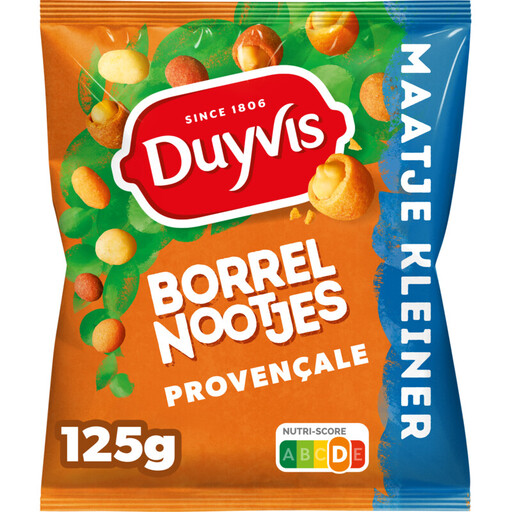
This ready-to-eat peanut snack may suit you if you’re looking for a coated snack; the stated nutritional values don’t make it a low-fat option.
The nutrition table lists 33 g of fat and 1.2 g of salt per 100 g.
The product information gives a portion size of 30 g and lists peanuts and wheat.
 No image available
The unsalted label may suit anyone looking to avoid added salt, but it doesn’t mean the product has a lower fat content.
The product information lists peanuts and sunflower oil as ingredients.
The nutrition table lists 50 g of fat and 0.02 g of salt per 100 g.
The description states that the product may contain cashew nuts.
 No image available
This is a single type of nut for anyone looking for almonds with no added salt; the fat content is a separate consideration.
The product description lists almonds as the only ingredient.
The nutrition table lists 50 g of fat and 0 g of salt per 100 g.
 No image available
These roasted, unsalted cashew nuts may suit you if you’re looking for that combination, but unsalted doesn’t mean low in fat.
The nutrition table lists 46.67 g of fat and 0.067 g of salt per 100 g.
The product information lists cashew nuts.
For solid foods, the European Commission sets a limit of no more than 3 g of fat per 100 g for a low-fat claim. For a comparative claim such as ‘reduced fat’, the Netherlands Nutrition Centre says that a fat-related claim must mean at least 30% less fat than a similar standard product. This isn’t the same as meeting the absolute limit for a low-fat claim.
No. Duyvis describes Oven Baked Peanuts Original as roasted without added oil or fat, but this information about how they’re prepared doesn’t tell you how much total fat the product contains. Check the nutrition table per 100 g to find out.
No. According to the Netherlands Nutrition Centre, ‘light’ can refer to energy, fat or sugar. Check the packaging to see what the claim refers to, and compare the energy per 100 g if you want to keep an eye on that too.
Not as an exact product specification. For unsalted nuts in general, the Netherlands Nutrition Centre gives 164 kcal and 14.9 g of fat per 25 g portion. For the product you’re buying, use its nutrition table and the actual weight of your portion.
Read the allergen information on the packaging of the exact product. The Netherlands Food and Consumer Product Safety Authority says allergen information must appear on the label of prepacked products. Peanuts and nuts are listed separately; according to the Dutch Food Allergy Foundation, the allergen remains stable when heated.