
Less fat, plenty of crunch
You’re looking for crunchy party nuts and are particularly mindful of their fat content. Check exactly what a reduced-fat claim is compared with, and whether the product variant is still available to buy.


If you want to serve nuts with less fat, compare the fat content per 100 g and check which product a reduced-fat claim is based on. The word ‘oven’ in the preparation method alone does not mean a product is low in fat. Unsalted nuts may suit you if salt or ingredients are your priority, but that does not automatically mean they are low in fat. The Duyvis party nuts with a reduced-fat claim reviewed here are listed as discontinued by Albert Heijn, so they are not confirmed current purchase options.
You’re looking for crunchy party nuts and are particularly mindful of their fat content. Check exactly what a reduced-fat claim is compared with, and whether the product variant is still available to buy.
Above all, you want to serve unsalted nuts and are also comparing whether they’re unroasted or fried in oil. Check the ingredients and preparation method for the specific variant.
You want to know how many portions are in a pack and take allergens, storage and any young children at the table into account.
First decide whether fat per 100 g, unsalted flavour or portion planning matters most to you. The European Commission sets the limit for a ‘low fat’ claim on solid foods at no more than 3 g of fat per 100 g. A reduced-fat claim compares a product with a stated reference.
| What to consider | What should you check? | Who is this important to? |
|---|---|---|
| Reduced fat or low fat? | Compare fat per 100 g and read exactly what a reduced-fat claim is based on. Also check the current product variant. | If a demonstrably lower fat content is my main priority, I want to know exactly what is being compared. Around 36% of consumers put less fat first. |
| Unsalted and preparation method | Check the salt content, ingredients and whether sunflower oil has been used. | If I’m mainly looking for unsalted nuts with a particular composition, I also check whether they’ve been fried in oil. Around 29% of consumers give this combination top priority. |
| Portions and packaging | Check the net weight, the number and weight of the stated portions, and whether the pack is resealable. | If I want to plan the shopping and serving portions for a party, clear portion information helps me choose a pack of the right size. Around 21% of consumers look at this first. |
| Allergens and storage | Check the label of the exact variant for allergens and warnings, and follow the product’s storage instructions. | For guests with allergies, or when young children are present, I want to be able to check the packaging and serve the nuts carefully. Around 14% of consumers give these considerations top priority. |
Duyvis says that Oven Baked Peanuts Original is prepared without added fat or oil. However, the Jumbo product page lists 50 g of fat per 100 g for this variant.
Check the total fat per 100 g and consider the preparation method separately from a nutrition claim.
A reduced-fat claim describes a comparison with a specific reference product, not the entire nutritional profile. The historical Duyvis Herbs&Onion page lists 476 kcal and 2 g of salt per 100 g, alongside 21 g of fat (Albert Heijn).
Compare fat, energy, salt and ingredients separately, using the same quantity each time.
The Albert Heijn unsalted cashews and PLUS unsalted nut mix reviewed here both contain sunflower oil. Jumbo describes its unroasted nut mix as not fried in oil.
Read the ingredients and preparation description for the exact variant.
The 500 g bag of AH Unsalted Cashews lists twenty 25 g portions. The product page recommends closing the pack tightly and storing it in a cool, dark and dry place.
Use the portion information as a guide for your calculations, and seal any leftovers according to the product instructions.
Relevant if you want to distinguish between coated party nuts with a product-specific reduced-fat claim and Oven Baked Peanuts Original.
The 500 g pack of AH Unsalted Cashews reviewed here suits anyone looking for unsalted cashews in a larger pack.
The 200 g unroasted nut mix reviewed here is an option if you’re looking for unsalted nuts that haven’t been fried in oil.
The Alesto range includes nuts, dried fruit and party snacks, making it a relevant place to shop in this product category.
ALDI describes a 200 g pack of Trader Joe’s Unroasted Nut Mix containing hazelnuts, cashews, walnuts and almonds.
The 200 g pack of PLUS Unsalted Nut Mix reviewed here is relevant if you’re looking for a mix containing peanuts and a variety of nuts.
These Joybuy products offer nut options for portion planning, unsalted cashews and unroasted nut mixes. The product details provided can help you compare variants; they do not prove that a product is low in fat.
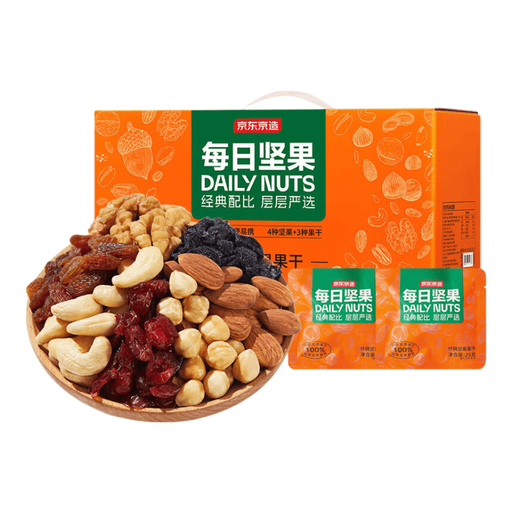 No image available
The individual sachets can help you prepare portions in advance; the product name lists nuts and dried fruit.
30 sachets of 25 g; 40.7 g of fat per 100 g according to the product information. Contains walnuts, almonds, cashews and hazelnuts.
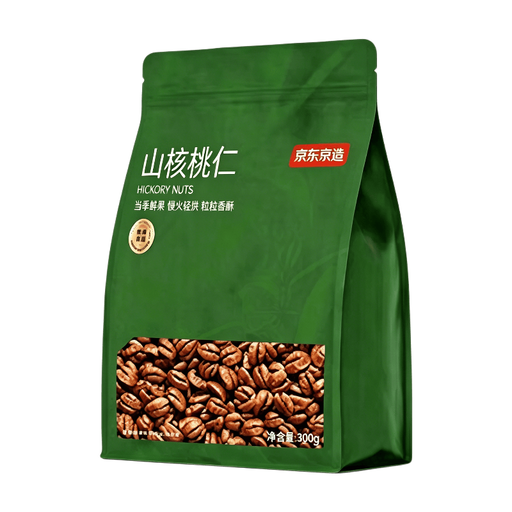 No image available
The product information describes these hickory nuts as ready to eat and individually packed.
300 g; 46.4 g of fat per 100 g according to the product information. Contains hickory nuts.
 No image available
A good choice if you’re looking for roasted cashews with no added salt; being unsalted says nothing in itself about the fat content.
200 g; 46.67 g of fat and 0.067 g of salt per 100 g according to the product information. Contains cashews.
 No image available
The product information describes the almonds as ready to serve.
500 g; 50 g of fat and 0 g of salt per 100 g according to the product information. Contains almonds.
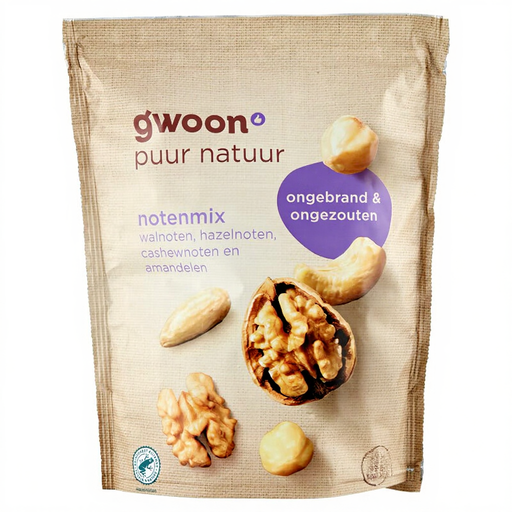 No image available
The product information lists an unroasted mix containing hazelnuts, walnuts, almonds and cashews, making it a suitable choice if you’re looking for that combination.
500 g; 58.7 g of fat and 0 g of salt per 100 g according to the product information. May also contain peanuts and other nuts.
For solid foods, the European Commission sets the limit for a ‘low fat’ claim at no more than 3 g of fat per 100 g. The nuts and party nuts reviewed here, with fat contents ranging from 21 to 56.6 g per 100 g, are above this limit.
The claim refers to a specific comparison for each variant, not a general property of Duyvis nuts. The Albert Heijn Herbs&Onion page compares the product with regular coated peanuts in the Netherlands on average; the Sundried Tomato and Herbs page names regular Duyvis Borrelnootjes/Crac a Nut and Tijgernootjes/Tigernuts as its reference. Albert Heijn lists both variants reviewed here as discontinued.
Use the portion information on the specific pack as a guide for your calculations, not as a fixed amount per guest. Jumbo lists eight 25 g portions for its 200 g nut mix; Albert Heijn lists twenty 25 g portions for its 500 g cashews.
Check the allergen information and warnings on the packaging of the exact variant. The Netherlands Food and Consumer Product Safety Authority states that allergen information must appear on the label of prepacked products; the product pages reviewed here also warn of choking risks for small children.
Follow the storage instructions on the specific pack. For Duyvis Oven Baked Peanuts Original, Jumbo recommends cool, dry storage and, once opened, an airtight, lightproof container. Jumbo’s unroasted nut mix should be stored in a cool, dry and dark place.