
Protein-conscious breakfast eaters
You want to know how much protein your actual breakfast portion provides, perhaps around your workout. Compare portion values and don’t assume you automatically need a specialist protein product.


Choose based on the amount of protein in the portion you’ll actually take with you, and check the ingredients too: a product being labelled as a protein product doesn’t tell you how much protein your breakfast will provide. According to the product information, Duyvis Unsalted Peanuts and PLUS Unsalted Peanuts contain 27 and 25 g of protein per 100 g respectively. For a 30 g portion, that works out at 8.1 and 7.5 g of protein, alongside around 184 and 187 kcal. So treat nuts as part of your breakfast, not automatically as a complete sports breakfast or a proven recovery product.
You want to know how much protein your actual breakfast portion provides, perhaps around your workout. Compare portion values and don’t assume you automatically need a specialist protein product.
You want to take a portion with you without any preparation and be able to reseal the rest of the pack properly. A resealable pack can be handy, but it doesn’t automatically contain individual breakfast portions.
You’re looking for an unsalted breakfast option and consider energy and ingredients as well as protein. A handful is a portion, not the whole bag; salted and sweetened varieties have different ingredients.
Start with the portion you’ll actually take with you. Then compare the ingredients and consider whether the packaging suits your morning routine.
| What to consider | What to look for when buying | Who it’s for |
|---|---|---|
| Protein per portion | Compare protein per 100 g on the same basis, then calculate it for the amount you’ll take with you. | If I want to know what my breakfast portion provides around a workout, I look at the amount I actually eat. Around 42% of consumers put protein contribution first. |
| Taking it with you and resealing | Check whether the pack is resealable and whether you’ll need to weigh out a portion yourself. | When I’m short of time in the morning, I want something I can take with me without preparing it first. Around 33% of consumers prioritise grab-and-go convenience. |
| Ingredients and portion size | Read the ingredients and nutrition table for the exact variety; check the allergen information too. | If I want to eat unsalted nuts and weigh out my portion, I want to know exactly what’s in the pack. Around 25% of consumers prioritise ingredients and portion size. |
A label value per 100 g isn’t the same as the amount you get from a smaller portion. For Duyvis peanuts, a 30 g portion provides 8.1 g of protein and around 184 kcal.
Calculate both protein and energy for the amount you’ll actually take with you.
ALDI’s TRADER JOE’S Protein Nut Mix is available in salted or seasoned varieties. A product name doesn’t automatically tell you how much protein your portion contains or what else is in it.
Check the exact flavour, nutrition table and ingredients rather than relying on the name alone.
According to ALDI, the 200 g ALDI Unroasted Nut Mix checked has resealable packaging, but it isn’t described as containing individual breakfast portions. The Netherlands Nutrition Centre advises storing nuts in a well-sealed, dry place.
Consider whether you want to portion them out in advance; this takes time to prepare.
The unsalted peanuts are a relevant option if you’re looking for a simple peanut-based addition to breakfast.
AH Unsalted Peanuts are a supermarket own-brand option if you’re looking for unsalted peanuts to add to breakfast.
Jumbo Unsalted Kingsize Peanuts are an own-brand option in a 350 g pack.
Lidl lists options including Way To Go cashews in its Alesto range.
The options mentioned include the unroasted TRADER JOE’S Nut Mix and the Protein Nut Mix.
PLUS Unsalted Peanuts Per Stand-up Pouch are a peanut option in a 300 g bag.
These product choices suit a quick breakfast with peanuts or other nuts; check that the preparation and portion for each variety fit your morning routine.
 No image available
The product information lists 27 g of protein per 100 g, making this variety worth considering if you want to compare the protein contribution of your portion.
According to the product information, the product is 99% peanuts and contains sunflower oil. It contains peanuts and may contain cashew nuts.
 No image available
This variety may suit you if you’re looking for roasted peanuts and want to compare the declared protein value per 100 g.
The product information lists 26 g of protein per 100 g and 100% peanuts; the description says they are unsalted. Contains peanuts.
 No image available
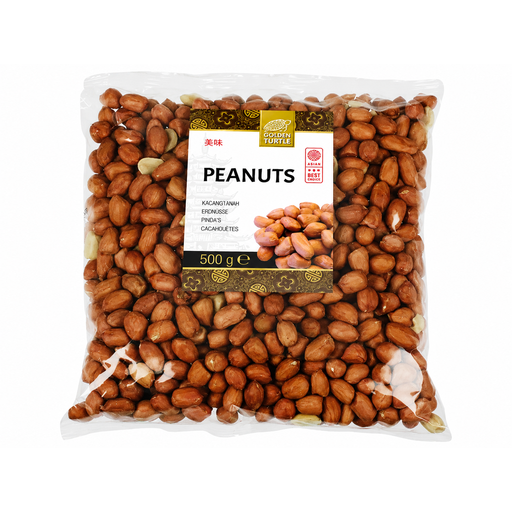
These unroasted peanuts are worth considering if you’re happy to roast them beforehand rather than take them with you as they are.
The product information lists 26 g of protein per 100 g. If you want to use this variety as a roasted snack, you’ll need to prepare it first.
 No image available
These cashews are an option if you’d like to consider a different type of nut as well as peanuts; compare the protein values on the same basis.
The product information lists 18.67 g of protein per 100 g. Contains cashew nuts.
 No image available
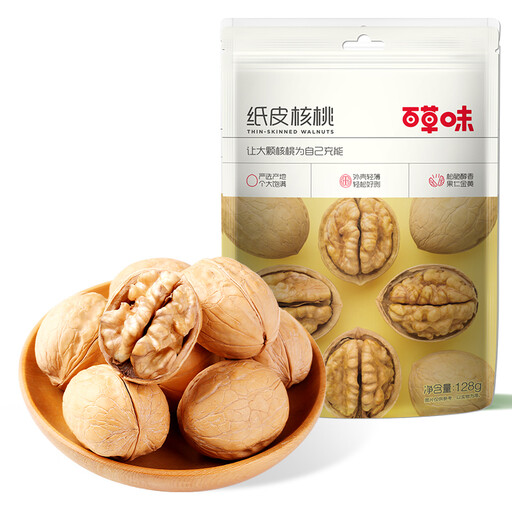
The product information mentions individual packs for taking on the go, but these walnuts need to be shelled first.
The listed protein value is 10.6 g per 100 g.
Multiply the value per 100 g by the weight of your portion, then divide by 100. For a 30 g portion, the Duyvis peanuts reviewed provide 8.1 g of protein and the PLUS peanuts provide 7.5 g. Flink and PLUS list values per 100 g; the portion calculation isn’t individual dietary advice.
No, not automatically. The Netherlands Nutrition Centre says most people who exercise don’t need special foods because they already get enough protein. Compare the amount in your portion with what you’re looking for; a product name containing ‘protein’ doesn’t in itself show that you need that variety.
No. Botanically, peanuts are legumes and are listed separately from tree nuts. If you have a relevant allergy, read both the ingredients and the warnings on the exact pack; the PLUS peanut bag mentioned, for example, states that it may contain various tree nuts. The NVWA explains that allergen information for prepacked products must appear on the label.
Don’t eat a pack that exactly matches the warning. The AH warning concerns AH Extra Large Salted Peanuts in a tub with a best-before date of 04-11-2026. The NVWA warning dated 20 May 2026 concerns TRADER JOE’S Unsalted Cashews 170 g, barcode 2003020120930 and best-before date 23-09-2026. These warnings apply to the specific products and packs listed, not automatically to other varieties.
Keep nuts tightly sealed and dry. The Netherlands Nutrition Centre recommends storing them in a cool place at 10–15 °C; also follow the instructions on the pack for the variety you buy.