What should you look for when choosing?
First decide how much you want to serve, then compare products on the same basis. Next, check that the ingredients, flavour and allergen information suit your drinks gathering and your guests.
| What to consider |
What should you look for? |
Who should consider this? |
| Energy in your portion |
Check the kcal per 100 g on the exact packaging and weigh the amount you serve. |
If I want to know how much ends up on my plate, I’d rather weigh it out beforehand than keep topping up the bowl. Around 31% of consumers put portion control first. |
| Energy for the same weight |
Compare kcal per 100 g for the same type of product and check the exact variety. |
If I want to serve roughly the same number of grams, I compare the energy per 100 g. Around 25% of consumers prioritise relatively fewer kcal for the same weight. |
| Flavour and ingredients |
Check the ingredients, preparation method, salt content and, where relevant, the different types of nuts in a mix. |
If I’m mainly looking for a particular flavour or combination of ingredients, I look beyond the calorie count. This reflects the top priority for around 19% of consumers. |
| Suitability for guests |
Check the allergens and warnings on the latest packaging for the variety you’ve chosen. |
If a guest has a known allergy, I want to know exactly what’s in the snack. Around 13% of consumers put suitability for guests first. |
| Packaging and storage |
Match the net weight to the number of portions and follow the storage instructions after opening. |
When I’m planning for a group, I want to choose packaging that suits how it’ll be used and makes it easy to store any leftovers properly. Around 12% of consumers start with pack size and usage planning. |
Nuts and snacks at Joybuy
Joybuy picks for drinks, including chestnuts, nut mixes and individual types of nuts.
 No image available
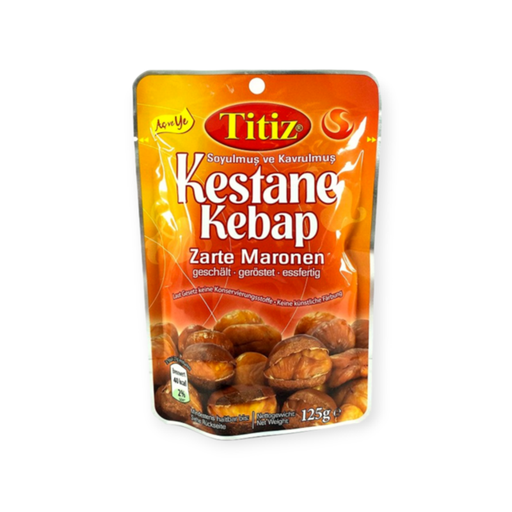
Titiz Roasted Chestnuts 125g
A ready-to-eat chestnut snack for anyone who wants to serve something that’s already prepared when having drinks.
The product information lists 100% chestnuts, a 125 g pack and 170 kcal per pack.
View at Joybuy
 No image available
ChaCha Daily Nuts 115g (23g x 5)
The individual sachets are a handy option if you want to portion out snacks for drinks in advance.
The product information lists five 23 g portions and 540 kcal per 100 g. The ingredients list includes walnuts, raisins, cranberries, cashew nuts, almonds and hazelnuts. The desiccant in the pack is not edible.
View at Joybuy
 No image available
g'woon Almonds Raw & Unsalted - 200g
An unsalted almond option for anyone who wants to compare ingredients and energy for the same quantity.
The title and product information describe raw, unsalted almonds; the pack is 200 g and the product information lists 591 kcal per 100 g.
View at Joybuy
 No image available
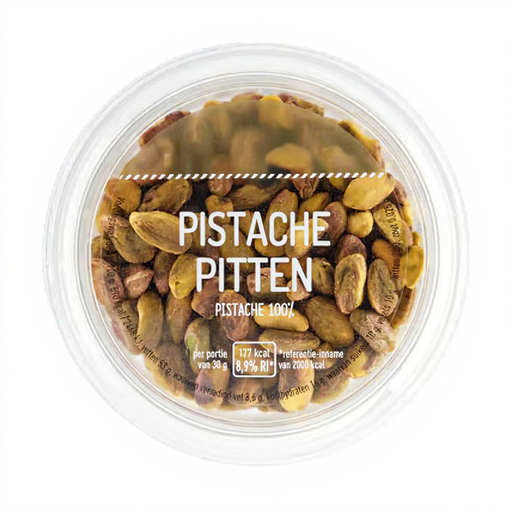
Kanjers Fresh Class Pistachio Kernels - 100 g
According to the product information, these shelled pistachio kernels can be enjoyed as a snack or used as an ingredient or topping.
The pack contains 100 g. The product information describes the kernels as soft in texture; check the nutritional information on the pack if you want to compare energy per 100 g.
View at Joybuy
 No image available
g'woon Cashew Nuts Roasted & Unsalted - 200g
A roasted, unsalted cashew option to compare with other nuts by preparation method and energy content.
The pack is 200 g and the nutritional information table lists 596 kcal per 100 g. The ingredients list includes cashew nuts.
View at Joybuy
Frequently asked questions
Can you call ordinary nuts ‘low energy’?
Not the varieties examined: their declared values are above the EU limit for a ‘low energy’ claim on solid food. The European Commission sets a maximum of 40 kcal per 100 g. It’s better to discuss the nutritional value of a weighed portion without calling the product itself low energy.
How do you calculate the energy in a smaller portion?
Multiply the kcal per 100 g by the number of grams you’ve weighed out, then divide by 100. For 15 g of PLUS cashew nuts at 598 kcal per 100 g, the calculation comes to 89,7 kcal. This is a calculation example, not personal dietary advice.
Does ‘unsalted’ mean there’s no salt in it?
No. For the unsalted pistachios examined, Jumbo lists 0,21 g of salt per 100 g and explains that it comes from naturally occurring sodium. Check the nutritional information table for the variety you buy.
What should you look for if your guests have allergies?
Check the allergen information on the exact pack and choose something that’s suitable for your guest’s allergy. The Duyvis cocktail variety examined contains peanuts, wheat and milk ingredients. The NVWA states that pre-packed products must show allergen information on the label.
How should you store an opened pack of nuts?
Follow the storage instructions on the pack and seal the nuts properly. The Netherlands Nutrition Centre advises storing nuts in a dry place in a well-sealed container. The product information for Duyvis Cocktail recommends storing them in a cool, dry place and, after opening, using a light- and airtight tin.


