What should you look for?
Plain, unsalted peanuts
A good choice if: you’re looking for a simple nut snack and want to know what a measured serving adds to your diet.
Bear in mind: a serving is an addition to your diet, not a complete recovery meal in itself.
Unsalted almonds
A good choice if: you want to alternate almonds with peanuts. The Voedingscentrum lists 5,4 g of protein per 25 g handful, compared with 6,3 g for unsalted peanuts in the same serving size.
Bear in mind: these are general nutritional values, not a comparison of specific brands or recovery results.
Protein nut mix
A good choice if: you want to combine different nuts and compare the nutritional information for the exact product.
Bear in mind: the word ‘protein’ in a product name doesn’t tell you how much protein you’ll get per serving or whether the mix is right for your ride.
First compare the serving size and when you’ll eat it; then check the exact ingredients, whether it’s salted and the pack size.
| What to consider |
What to look for |
Who might find this important? |
| Protein per serving |
Compare like-for-like servings and check the nutritional information for the exact product. The Voedingscentrum lists 6,3 g of protein per 25 g handful of unsalted peanuts and 5,4 g per 25 g of almonds. |
If you want to know what you’re actually eating, check the serving size rather than looking only at the value per 100 g. Around 36% of shoppers prioritise the protein provided by a serving. |
| When to eat them and stomach comfort |
Consider whether you’ll eat the nuts just before setting off, during your ride or at another time, and adjust the serving accordingly. |
If you’d rather not have a large snack just before a ride, consider the serving size and your own tolerance. Around 29% of shoppers prioritise timing and stomach comfort. |
| Everyday use |
Check the salt, ingredients and allergens on the pack for the product you choose. |
If you’re choosing nuts for everyday use, an unsalted option may be important to you. The Voedingscentrum includes unsalted nuts in the Wheel of Five; around 21% of shoppers prioritise everyday use. |
| Packaging and storage |
Compare the net weight with how much you expect to use, and store nuts in a tightly sealed container in a dry place once opened. |
If you want a pack that suits how you use and store nuts, check its size and storage instructions. Around 14% of shoppers prioritise packaging and storage. |
Nuts and nut mixes at Joybuy
This selection includes plain unsalted peanuts, almonds and nut mixes. Compare the nutritional information, ingredients and allergens listed for each specific product.
 No image available
g’woon unsalted peanuts, 250 g
A good choice if you want to compare an unsalted peanut snack by its stated protein content.
The product information lists 27 g of protein per 100 g and ingredients of 99% peanuts and sunflower oil. Contains peanuts and may contain traces of cashew nuts.
Joybuy
 No image available
g’woon raw, unsalted almonds, 200 g
A good choice if you want to compare unsalted almonds with peanuts or other nuts.
The product information lists 24 g of protein per 100 g. Almonds are the only ingredient listed, with no added salt or oil.
Joybuy
 No image available
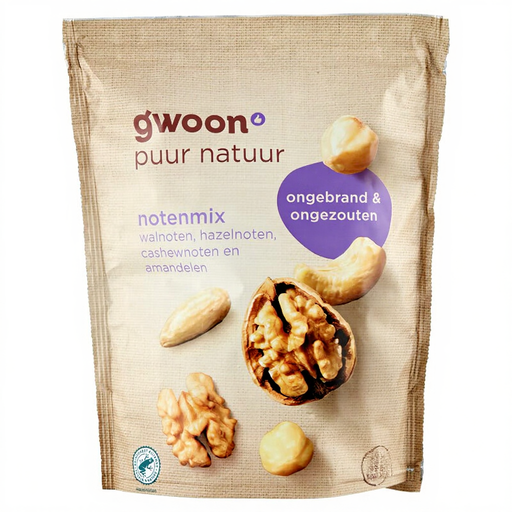
g’woon unroasted, unsalted nut mix, 500 g
A good choice if you’re looking for a mix of different unroasted nuts with no added salt.
The product information lists 16,9 g of protein per 100 g and includes hazelnuts, walnuts, almonds and cashew nuts. May contain traces of peanuts and other nuts.
Joybuy
 No image available
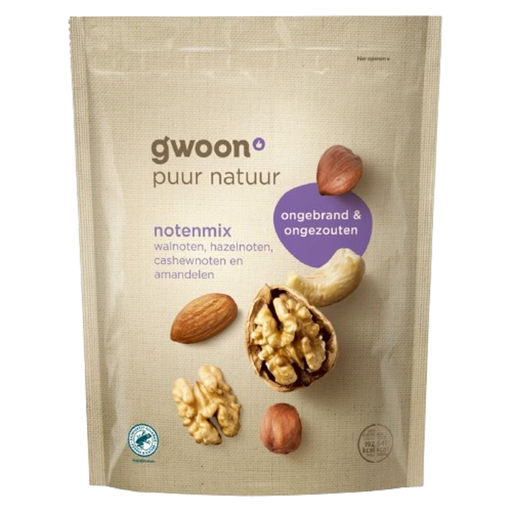
g’woon raw, unsalted nut mix, 200 g
A good choice if you want to compare a raw nut mix with no added salt or oil.
The product information lists 19,1 g of protein per 100 g and includes hazelnuts, walnuts, almonds and cashew nuts. May contain traces of peanuts.
Joybuy
 No image available
g’woon unsalted nut mix, 200 g
A good choice if you’re looking for an unsalted mix with peanuts and a variety of other nuts.
The product information lists 20,1 g of protein per 100 g and includes peanuts, almonds, cashew nuts, hazelnuts and Brazil nuts.
Joybuy
Frequently asked questions
Are plain nuts enough for recovery?
Nuts can contribute to your protein intake, but they’re not automatically a complete post-ride meal. The Voedingscentrum says most people who exercise don’t need special protein shakes or bars if they eat a healthy, varied diet. So consider nuts as part of your overall diet.
Can I eat a large serving of nuts just before setting off?
A large serving just before exercise won’t suit everyone. According to the Voedingscentrum, foods high in fat, protein or fibre can stay in your stomach for a long time and cause discomfort during exercise. Consider when you eat them and your own tolerance.
Are peanuts a safe substitute if I have a nut allergy?
Don’t assume peanuts are a safe substitute. The NVWA lists peanuts and nuts separately as allergens and requires allergen information on prepacked products. Check the full label and, if you have a known allergy, follow your individual medical advice.
What should I do with the recalled AH peanuts?
Do not eat the specific batch covered by Albert Heijn’s warning. It concerns AH Pinda’s extra groot gezouten in a tub with a best-before date of 04-11-2026, due to possible metal fragments; the warning doesn’t apply to all AH peanuts.
How do I compare the protein in different types of nuts?
Compare the same serving size and use the nutritional information on the exact pack. The Voedingscentrum lists 6,3 g of protein per 25 g handful of unsalted peanuts and 5,4 g for unsalted almonds. These general values aren’t a brand-specific analysis.


