
Regular hosts at home
You often put nuts on the table with your morning coffee and want a pack that suits your household’s needs. 500 g packs and smaller options give you different quantities to compare.


A large bag is a good fit if your household regularly gets through that quantity; if you only eat nuts occasionally, a smaller pack is often more practical. Choose a size that matches how much you use, and check the ingredients and allergen information too: ‘unsalted’ does not automatically mean a product contains only nuts.
You often put nuts on the table with your morning coffee and want a pack that suits your household’s needs. 500 g packs and smaller options give you different quantities to compare.
You may be looking for unsalted nuts, for example, and want to know what else is in the pack. If you have a food allergy, check the ingredients and allergen information on the current packaging; the label ‘unsalted’ does not tell you anything about this on its own.
You don’t eat nuts every morning and want the pack size to match how much you use. A smaller pack may be a better fit; seal it well after opening and follow the storage advice on the packaging.
| What to consider | What should you check? | Who is this important to? |
|---|---|---|
| Pack size and how much you use | Compare the net weight of the option you want with what your household uses regularly. | I only want to choose a larger bag if we’ll get through it. Around 36% of consumers prioritise pack size and usage. |
| Ingredients and allergens | Read the ingredients list and allergen information on the current packaging. | If I want to avoid certain ingredients or need to manage an allergy, I check the label carefully. Around 29% of consumers focus mainly on the ingredients. |
| Storage | Choose a pack size that matches how much you use, and follow the storage advice on the packaging. | I want to avoid having a pack open for a long time, so I consider how I’ll store the nuts. Around 21% of consumers prioritise pack size and storage. |
| Types and flavour | Check which nuts are included and whether they are unroasted or roasted. | If I’m looking for a particular combination or preparation method, I want to see it in the product information. Around 14% of consumers focus mainly on the types and flavour they want. |
A larger quantity won’t necessarily suit every household. You could be left with more than you need if you eat fewer nuts than expected.
Compare the pack size with how much you use, and think about how you’ll store the pack once it’s open.
Duyvis also lists sunflower oil as an ingredient in its unsalted peanuts. So the product name doesn’t tell you everything about what’s inside.
Read the ingredients list if you want to avoid certain additives.
Nuts can go rancid, become chewy or go mouldy. The Netherlands Nutrition Centre gives general guidance for mixed unsalted nuts of six months in a kitchen cupboard and one year in the freezer; this is not a freshness guarantee for any specific product.
Seal the pack well after use and follow the storage advice for your product.
Duyvis lists unsalted peanuts in a 235 g pack.
Albert Heijn offers unsalted mixed nuts under its AH own-brand range, among other products, in different pack sizes.
Jumbo lists unsalted cashews in a 200 g pack and a 500 g value pack.
Lidl’s Alesto range includes nuts, dried fruit and party snacks.
Aldi lists a 500 g pack of Trader Joe’s unsalted mixed nuts.
Plus lists a 500 g mix of unroasted, unsalted nuts and also sells the Duyvis peanuts described here.
This selection includes larger packs for home use, including mixed nuts, macadamia nuts and peanuts. Some options also contain dried fruit or are still in their shells.
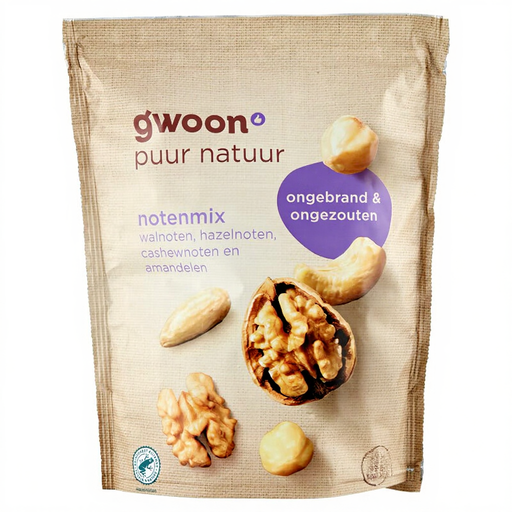 Image unavailable
The 500 g pack is an option if you regularly eat mixed nuts at home.
The mix is unroasted and unsalted, and contains hazelnuts, walnuts, almonds and cashews.
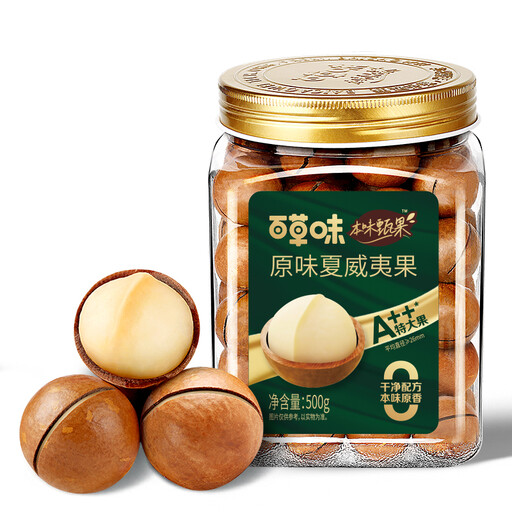 Image unavailable
This pack is a good fit if you’re specifically looking for macadamia nuts to enjoy at home.
The product information lists 500 g and 100% macadamia nuts, with no added salt, sugar or seasoning.
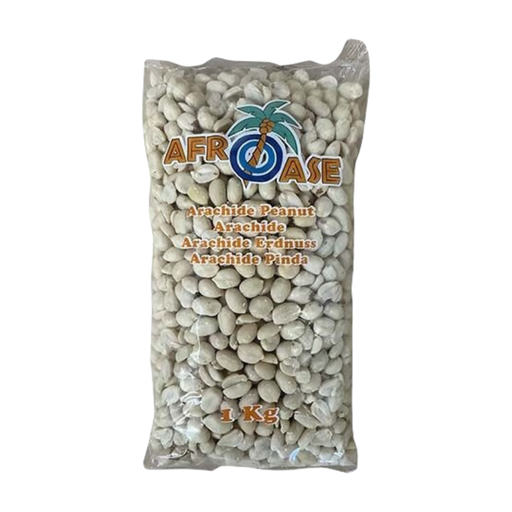 Image unavailable
The title lists a 1 kg pack of peanuts; check the product information if you’d like to know more about this option.
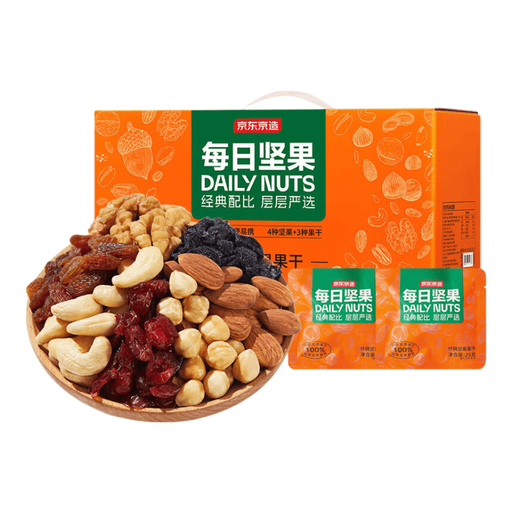 Image unavailable
The individual sachets are a handy option if you want to portion out snacks for different coffee breaks.
The pack contains 750 g in 30 sachets of 25 g each. The mix contains nuts and dried fruit; the dried cranberries contain sugar and sunflower oil.
 Image unavailable
This pack contains 500 g of peanuts for anyone looking for peanuts in their shells.
You’ll need to shell the peanuts before eating them.
A larger bag is a good fit if your household uses the contents regularly. Choose a quantity that matches how much you eat, and think about how you’ll store the pack once it’s open.
No, the label ‘unsalted’ doesn’t give you the full ingredients list. For example, Duyvis also lists sunflower oil in its unsalted peanuts, so check the current packaging.
Seal the bag well and follow the storage advice on the packaging. The Netherlands Nutrition Centre gives general guidance for mixed unsalted nuts of six months in a kitchen cupboard and one year in the freezer. Nuts that have gone rancid, become chewy or gone mouldy are signs of spoilage.
Read the ingredients and allergen information on the current packaging. The Netherlands Food and Consumer Product Safety Authority says that allergen information must be shown on pre-packed products and treats peanuts and tree nuts as separate allergens. ‘Unsalted’ does not mean a product is allergen-free.
Not automatically: the warning on the Jumbo pack examined says that young children can choke on nuts. Keep this product warning in mind if you’re sharing a bag with others.
The Netherlands Food and Consumer Product Safety Authority says that, from 1 January 2026, it will check during inspections that labels on pre-packed products give appropriate warnings about allergen cross-contamination. This monitoring is not an individual approval of any specific pack of nuts.