For a mindful coffee break, compare nuts by the energy in a weighed portion and by their ingredients, rather than relying on words such as ‘unsalted’. The cashew nuts listed on the PLUS, Albert Heijn and Jumbo product pages contain 598–622 kcal per 100 g. According to the European Commission, the claim ‘low energy’ can only be used for solid foods containing no more than 40 kcal per 100 g. So weigh your portion and use the nutritional information for the exact pack.
Who are these choices relevant to?
Coffee drinkers who keep an eye on portions
You want to know how much energy is in your small bowl of nuts. As a general guide, the Netherlands Nutrition Centre lists 164 kcal for 25 g of unsalted nuts; the exact amount varies by product. Weigh your portion and check the label.
Shoppers looking for simple ingredients
You’re after a straightforward ingredients list and want to distinguish between unroasted nuts, nuts prepared with oil and unsalted nuts. The PLUS cashew nuts reviewed list cashew nuts as the only ingredient; the Albert Heijn and Jumbo varieties reviewed also list sunflower oil.
Practical everyday snackers
You want to weigh out a portion for your coffee break and store the rest properly. Check how many portions are in the pack and follow the Netherlands Nutrition Centre’s storage advice: keep nuts in a cool, dark and dry place.
What should you look for when buying?
Start with the energy per 100 g and the amount you actually eat. Then compare the ingredients, preparation method and pack size.
| What to consider |
What should you check? |
Who should consider this? |
| Energy per portion |
Compare kcal per 100 g and weigh your portion. Albert Heijn lists four 25 g portions in its 100 g pack. |
If I want to know how much energy is in my weighed portion, I use the label for that particular variety. Around 42% of consumers say calories per portion are their main purchasing priority. |
| Ingredients and salt |
Read the ingredients list and check the salt content; ‘unsalted’ doesn’t automatically mean ‘made without oil’. PLUS lists only cashew nuts, while Albert Heijn and Jumbo list sunflower oil. |
If you’re mainly looking for a simple ingredients list, you’ll want to know what else is in the pack besides nuts. Around 25% of consumers prioritise ingredients and added salt. |
| Flavour and preparation |
Check whether the nuts are unroasted, fried, roasted or coated, and compare the nutritional information for that product type. Duyvis describes different ways of preparing peanuts. |
If I want a particular flavour or preparation to go with my coffee, I choose according to my preference and check the label too. Around 17% of consumers make flavour and preparation their first choice. |
| Portioning and storage |
Choose a pack size that suits how you use the nuts, and seal the pack securely after opening. The Netherlands Nutrition Centre recommends storing nuts in a cool, dark and dry place. |
If you use nuts for several coffee breaks, they should be easy to portion and store. Around 16% of consumers prioritise convenience and storage. |
Common buying mistakes
-
Treating the whole pack as one portion
Albert Heijn’s 100 g bag of unsalted cashew nuts lists four 25 g portions. So the pack size isn’t automatically the amount to eat in one coffee break.
Weigh out the amount you want to eat beforehand and store the rest in a securely sealed container or pack.
-
Confusing ‘unsalted’ with ‘low energy’ or ‘made without oil’
The Albert Heijn and Jumbo cashew nuts reviewed list sunflower oil and 622 kcal per 100 g. The PLUS cashew nuts reviewed contain 598 kcal per 100 g. The European Commission sets a limit of no more than 40 kcal per 100 g for the ‘low energy’ claim on solid foods.
Assess the ingredients and nutritional information separately; don’t use ‘unsalted’ as an indication of the energy content.
-
Making a small difference per 100 g seem bigger than it is
The difference between 598 and 622 kcal per 100 g in the PLUS and Albert Heijn cashew nuts reviewed works out at 6 kcal per 25 g portion. The amount also depends on how much you actually weigh out.
First compare portions of the same weight, then look at the ingredients and your flavour preference.
-
Checking only the product name if you have an allergy
A pack may include warnings about allergens that aren’t mentioned in the product name. The PLUS cashew nuts reviewed carry a warning that they may contain peanuts.
Check the ingredients and allergen warnings on the exact pack every time you buy. The Netherlands Food and Consumer Product Safety Authority (NVWA) says new rules for warnings about unintended allergens have applied since 1 January 2026.
Nut brands to compare
Duyvis
Worth considering for unsalted peanuts and different preparation methods.
- Duyvis product information distinguishes between roasted and coated peanuts, and lists a 235 g pack of Pinda’s Ongezouten (Unsalted Peanuts).
- The variety reviewed lists sunflower oil, so ‘unsalted’ doesn’t mean ‘made without oil’.
Albert Heijn
The AH Unsalted Cashew Nuts reviewed are an example of a product with clearly stated portion information.
- The product page lists four 25 g portions in a 100 g pack, and provides ingredient and storage advice.
- These are roasted cashew nuts prepared with sunflower oil; the stated portions aren’t separate portion-sized sachets.
Jumbo
The Jumbo Unsalted Cashew Nuts reviewed are worth considering if you want to compare nutritional values and ingredients.
- The product page lists 99% cashew nuts and sunflower oil, with nutritional information per 100 g.
- The product information applies to this variety and doesn’t necessarily apply to all Jumbo nuts.
Lidl
Lidl’s Alesto range includes nuts, dried fruit and party snacks.
- The Dutch range page makes Alesto relevant if you’re comparing nut products.
- Distinguish between nuts, dried fruit and snacks; a product appearing in a range doesn’t by itself allow you to compare calorie content.
ALDI
The Dutch product page reviewed lists an unsalted nut mix under the TRADER JOE’S name.
- According to the product information, the 500 g mix contains almonds, hazelnuts, walnuts and Brazil nuts.
- The ingredients and pack size don’t indicate a lower energy content; compare the nutritional information on the exact pack to check this.
PLUS
The PLUS unsalted, unroasted cashew nuts reviewed are a good choice if the ingredients list matters to you.
- The product page lists cashew nuts as the only ingredient.
- The product page also warns that the product may contain peanuts; check the allergen information on the pack.
Nuts and nut mixes at Joybuy
These products are nuts and nut mixes for a weighed portion during your coffee break. Check the energy content, ingredients and preparation method for each variety.
 No image available
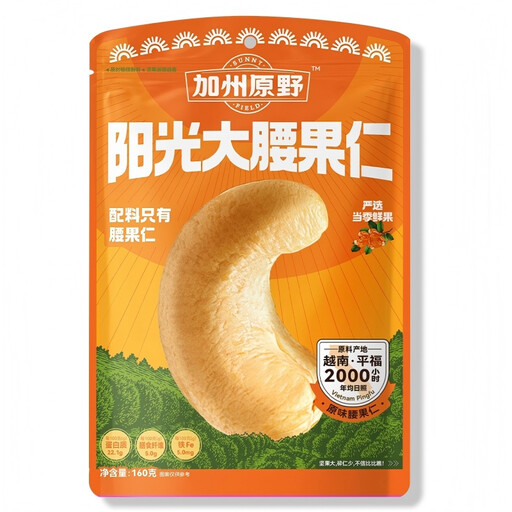
Jiazhouyuanye Original Flavour Large Cashew Nuts, 160 g
A good fit if you want cashew nuts and would like to work out the energy in a weighed portion.
Energy: 604 kcal per 100 g. Ingredient: 100% cashew kernels. Net weight: 160 g. Contains cashew nuts.
View at Joybuy
 No image available
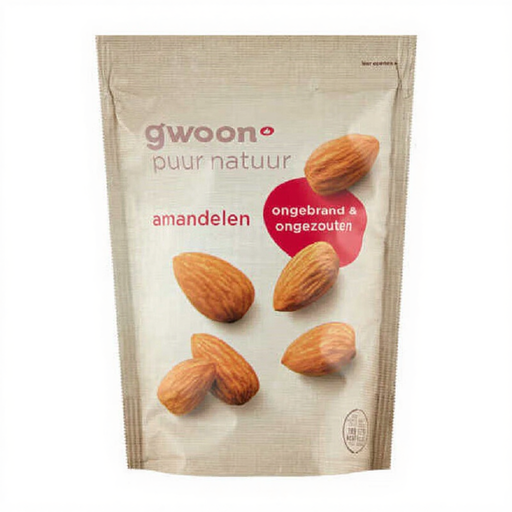
g'woon Almonds, Raw and Unsalted, 200 g
A good fit if you’re looking for raw, unsalted almonds and want to work out the energy in your portion.
Energy: 591 kcal per 100 g. Ingredient: almonds. Net weight: 200 g. Contains almonds.
View at Joybuy
 No image available
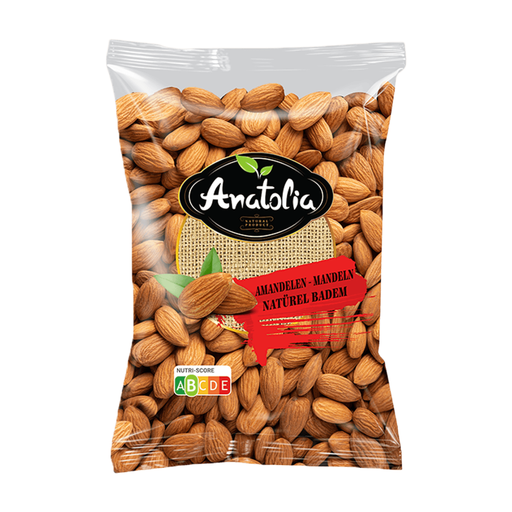
Anatolia Badem Natural (almond), 500 g
A good fit if you want to weigh out portions of almonds from a 500 g pack.
Energy: 578 kcal per 100 g. Ingredient: 100% almonds. Net weight: 500 g. Contains almonds.
View at Joybuy
 No image available
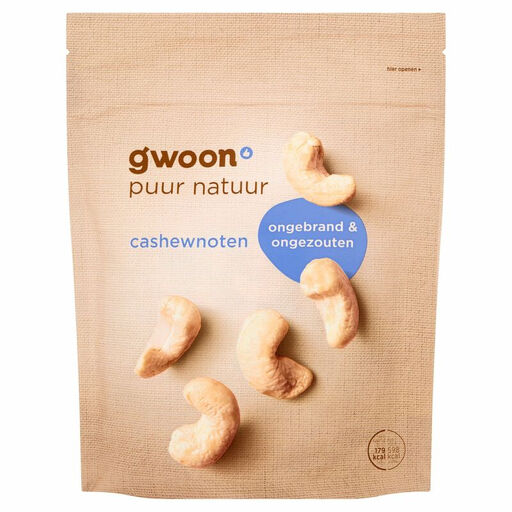
g'woon Cashew Nuts, Roasted and Unsalted, 200 g
A good fit if you want roasted, unsalted cashew nuts and are keeping an eye on the energy in each portion.
Energy: 596 kcal per 100 g. Ingredient: cashew nuts. Net weight: 200 g. Contains cashew nuts.
View at Joybuy
 No image available
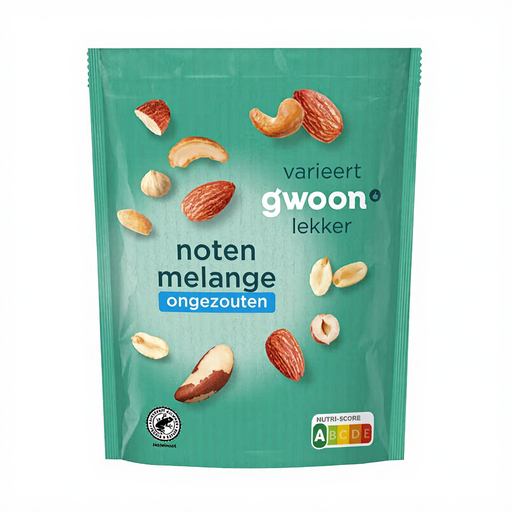
g'woon Nut Mix, Unsalted, 200 g
A good fit if you want a mix of different nuts in one pack and prefer to weigh out your own portion.
Energy: 615 kcal per 100 g. The ingredients list includes peanuts, almonds, cashew nuts, Brazil nuts and hazelnuts, among other ingredients, as well as sunflower oil. Net weight: 200 g. Contains various nuts and peanuts.
View at Joybuy
Frequently asked questions
How do I work out the energy in my portion of nuts?
Multiply the weight of your portion in grams by the kcal per 100 g on the label, then divide by 100. Use the nutritional information for the exact pack.
Can a small bowl of nuts be described as ‘low energy’?
Not on the basis of the small portion alone. According to the European Commission, solid foods can only carry the ‘low energy’ claim if they contain no more than 40 kcal (170 kJ) per 100 g. For ordinary nuts, it’s better to state the weighed portion and its energy content.
Does ‘fewer calories’ mean the same as ‘reduced energy’?
No. According to the European Commission, to use the ‘reduced energy’ claim, the energy value must be at least 30% lower, and the property responsible for the reduction must be stated. A small difference between two labels doesn’t automatically justify this claim.
What should I check if I’m allergic to nuts or peanuts?
Check the ingredients and allergen warnings on the exact pack. The Netherlands Food and Consumer Product Safety Authority (NVWA) says new rules for warnings about unintended allergens have applied since 1 January 2026. Don’t assume another type of nut or peanuts are a safe substitute.
How should I store nuts for my next coffee break?
Store nuts in a securely sealed pack or container in a cool, dark and dry place. For opened packs of unsalted mixed nuts, the Netherlands Nutrition Centre gives six months in a kitchen cupboard as general storage advice; follow the instructions on the pack too.


