
Gluten-free snacking
You’re looking for a nut snack to take camping and need to avoid gluten, but can eat the nuts it contains. Check the information for the specific variety; don’t assume that every product containing nuts is gluten-free.


If you avoid gluten or lactose and can eat almonds, AH Unsalted Almonds could be an option: Albert Heijn lists this variety as gluten-free and lactose-free. These claims do not make the almonds suitable for anyone with an almond allergy. If you have a milk allergy, you should also check the ingredients and warnings separately. When camping, only bring snacks you can store properly according to the packaging instructions.
You’re looking for a nut snack to take camping and need to avoid gluten, but can eat the nuts it contains. Check the information for the specific variety; don’t assume that every product containing nuts is gluten-free.
You’re looking for nuts without lactose or milk ingredients. Lactose intolerance, a milk allergy and a vegan diet are different needs, and don’t automatically call for the same product choice.
You’re planning snacks for yourself or a group that includes someone with a nut or peanut allergy. You want to be able to check the ingredients and warnings for each product, rather than treating nuts as generally allergen-free.
| What to consider | What should you check? | Who is this important for? |
|---|---|---|
| Excluding the relevant allergen | Check for the allergen in the ingredients list and in any precautionary warning. | If I’m bringing snacks for someone with a nut or peanut allergy, I want to be able to check exactly what may be present; around 33% of consumers prioritise avoiding relevant allergens. |
| Whether the product is gluten-free | Look for an explicit gluten-free statement and read the full product information too. | If I avoid gluten but can eat the nuts listed, I want to know whether the snack as a whole suits my needs; around 27% of consumers prioritise avoiding gluten. |
| Checking for lactose or milk | Work out which restriction applies to you, then check for milk ingredients and relevant warnings. | If I avoid lactose or milk, I want to use the right information for my situation rather than relying on a single general claim; around 20% of consumers prioritise this. |
| Packaging and storage | Check the seal, net weight and storage instructions. | If I’m bringing snacks for several days of camping, I want to be able to reseal and store them properly; around 20% of consumers prioritise practical transport and storage. |
Albert Heijn describes the AH Unsalted Almonds reviewed here as gluten-free and lactose-free, but the product contains almonds and may contain other nuts and peanuts.
Start with the allergen you need to avoid. Assess each claim only in relation to the ingredient it refers to.
Duyvis warns that Almonds Original may contain wheat and gluten. For Borrelnootjes Provencale, Duyvis lists gluten as an allergen.
Check the full ingredients list and allergen information for your chosen variety, including any coating or seasoning.
Albert Heijn advises storing the almonds reviewed here in a tightly sealed container in a cool, dark and dry place. The Netherlands Nutrition Centre describes a kitchen cupboard as a place to store food, not a guarantee of suitable conditions in a warm or damp tent.
Seal the packaging properly, protect the snacks from heat and moisture, and only bring as much as you can store safely.
Don’t bring more than you can store properly in the conditions at the campsite; otherwise, the nuts may deteriorate in quality and go uneaten.
The AH Unsalted Almonds reviewed here are a specific option to consider if you avoid gluten or lactose and can eat almonds.
Jumbo Unsalted Almonds are worth considering if you want to assess a short ingredients list on its own merits.
The PLUS Unsalted Almonds reviewed here have a simple recipe and are labelled vegan.
The TRADER JOE'S Unroasted Nut Mix reviewed here is an option if you can eat the nuts listed and want resealable packaging.
Alesto is a range where you can compare different types of nuts and dried fruit product by product.
The almond and borrelnoot varieties reviewed here show why savoury snacks should be assessed according to their individual recipes.
These nut snacks should be assessed according to the nuts they contain and the product information; they are not a general free-from selection.
 Image unavailable
Only consider this if you can eat almonds; the product information lists almonds as an allergen present.
The product information describes resealable packaging. Follow the storage instructions on the packaging.
 Image unavailable
Only consider this if you can eat peanuts; the product information lists peanuts as present and cashews as potentially present.
The product title describes unsalted peanuts in a 250 g pack.
 Image unavailable
Only consider this if you can eat cashews; the product information lists cashews as an allergen present.
The product title describes roasted, unsalted cashews in a 200 g pack.
 Image unavailable
Only consider this if you can eat almonds; the product information lists almonds as an allergen present and says that peanuts and other nuts may also be present.
The product title describes roasted, salted almonds in a 150 g pack. The product information describes a resealable bag.
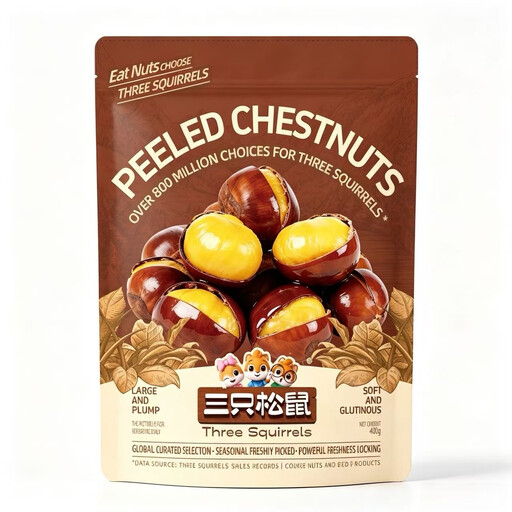 Image unavailable
Only consider this if chestnuts are suitable for you; the product information lists chestnut as an allergen present.
The product information describes ready-to-eat chestnut kernels in individual packs. Follow the storage instructions on the packaging.
Yes. According to the NVWA, you must be able to get this information before buying. It could be shown on a menu or shelf label, for example; staff can also provide it verbally if it’s clear that you can ask. This alone doesn’t confirm that a product is free from cross-contamination.
New rules for warnings about the unintended presence of allergens have applied since 1 January 2026. The NVWA gives examples such as ‘May contain X’ and ‘Not suitable for people with an X allergy’; a warning is therefore not a flavour or dietary claim.
Yes. The Dutch Association for Vegetarians explains that vegan products may carry a warning about possible milk contamination. If you have a milk allergy, check the allergen information too, and don’t base your choice on the vegan claim alone.
Follow the storage instructions on the specific packaging. For the almonds reviewed here, Albert Heijn advises sealing the pack well and storing it in a cool, dark and dry place. Advice from the Netherlands Nutrition Centre about storing food in a kitchen cupboard doesn’t automatically apply to a warm or damp festival tent; also look out for changes in smell, texture or appearance.
Check the current packaging and, if the information is unclear, ask the retailer or manufacturer for clarification before eating the product. Albert Heijn and PLUS point out that recipes and allergen information can change.