
Snackers keeping an eye on fat
You want to take nuts with you and know how much fat is in the snack you’ll actually eat. So consider the portion size alongside the label, rather than relying on the ‘unsalted’ description alone.


First decide how much fat you want to allow for your snack, then work out how many nuts fit within that amount. A small portion doesn’t make nuts low in fat: check the total fat per 100 g, and assess unsalted, unroasted and no added oil as separate product features.
You want to take nuts with you and know how much fat is in the snack you’ll actually eat. So consider the portion size alongside the label, rather than relying on the ‘unsalted’ description alone.
You want to eat a set amount while you’re out. A larger bag can be useful for keeping a supply at home; even with a resealable pack, you’ll still need to decide how much to take with you.
You’re looking for nuts or a mix with clear information about how it’s prepared and what it contains. Unsalted, unroasted and no added oil are different product features, so check each one separately.
Start with the fat content per 100 g and calculate how much that means for the amount you’ll actually take with you. Then check the portion packaging, added ingredients and how to store the rest.
| What to consider | What should you check? | Who is this important to? |
|---|---|---|
| Fat per snack | Check the total fat per 100 g and calculate it for the portion you’ve weighed out. | If I want to keep track of how much fat is in each snack, I convert the label value to match my portion; around 33% of consumers prioritise fat per snack. |
| Portion packaging | Check whether the pack lists the amount per portion and whether individual portions are actually packed separately. | If I want to take something with me without weighing it at home, I check that the portions are individually packed; around 33% of consumers prioritise convenience on the go. |
| Added ingredients | Read the ingredients and check separately whether salt or oil has been added. | If I want to avoid certain added ingredients, I read the ingredients list; around 20% of consumers give composition top priority. |
| Storing a supply | Check the storage instructions and whether the pack can be resealed after opening. | If I buy a larger bag, I want to store the rest properly after weighing out a portion; around 14% of consumers prioritise practical ways to divide and store a supply. |
Little or no salt doesn’t tell you how much total fat a product contains. The Netherlands Nutrition Centre lists 14.9 g of fat for a notional 25 g portion of unsalted nuts; this isn’t a general portion recommendation.
Check salt and total fat separately, and calculate the amount for the portion you actually plan to eat.
The 200 g and 235 g packs reviewed are larger packs for keeping a supply. A resealable bag doesn’t limit how much you take with you.
Weigh out the amount you want to take in advance. If the pack contains several bags, check the weight of each individual bag.
A statement about added oil describes an ingredient or preparation method; it doesn’t automatically tell you the total fat content of the nuts.
Use the ingredients list to check for added ingredients and the nutrition table to calculate the fat per portion.
The unsalted peanuts are available in a 235 g larger pack.
AH Unsalted Nut Mix is an own-brand option if you’re looking for an unsalted mix.
Jumbo Unsalted Nut Mix is a 200 g larger pack.
The Alesto nut mix reviewed is an unroasted, unsalted 200 g larger pack.
The TRADER JOE'S options reviewed differ in how they’re prepared and packaged.
PLUS Unroasted Unsalted Nut Mix is a 200 g larger pack.
These Joybuy products are nut snacks to take with you. For each product, compare the fat content per 100 g with the amount you actually plan to take.
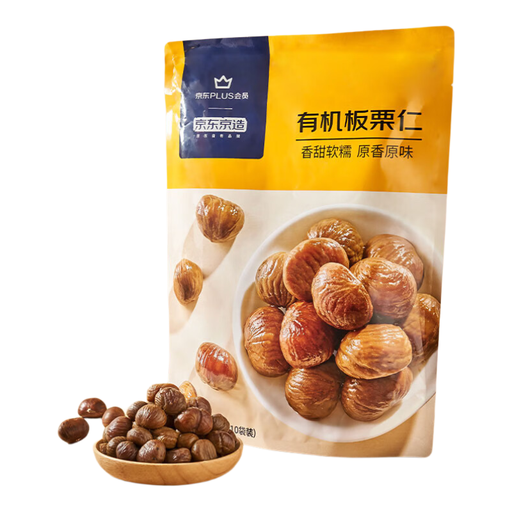 Image unavailable
An option if a 100 g sachet fits within the amount you’ve planned.
The pack contains 10 sachets of 100 g; the nutritional information lists 1.7 g of fat per 100 g.
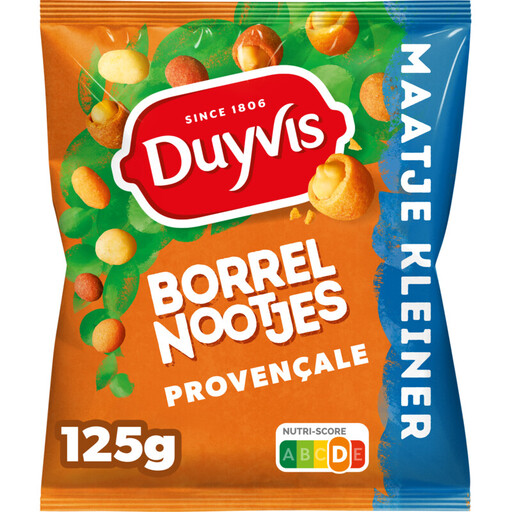 Image unavailable
Worth considering if you’re looking for a seasoned peanut snack and want to control the portion yourself.
The product description gives portion sizes of 30 g and 4–5 portions per pack. The ingredients include peanuts and wheat; possible traces of milk, other nuts, soya and mustard are mentioned.
 Image unavailable
An option if you’re looking for roasted, unsalted cashew nuts and want to weigh out your own portion.
The nutritional information lists 46.67 g of fat per 100 g. The ingredients list contains cashew nuts.
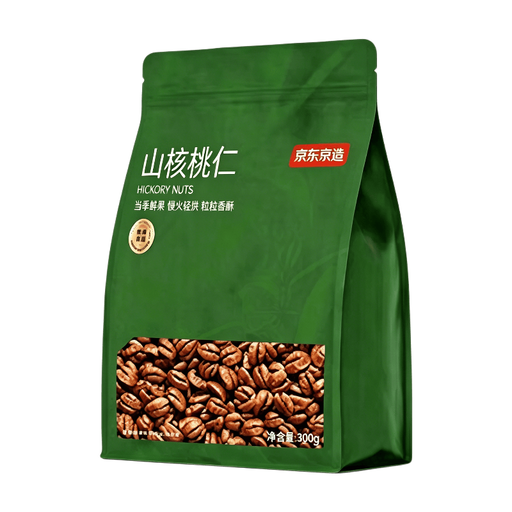 Image unavailable
The description mentions individual portions; check the portion size before calculating the fat content.
The nutritional information lists 46.4 g of fat per 100 g. The ingredients include sugar and salt, and the nuts are hickory nuts.
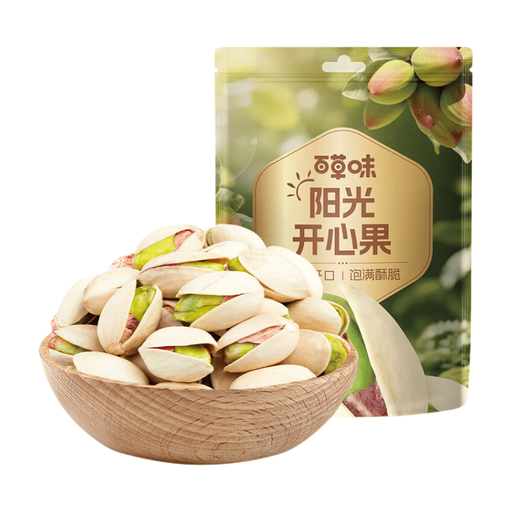 Image unavailable
A ready-to-eat pistachio snack if you want to weigh out the amount yourself.
The nutritional information lists 45 g of fat per 100 g. The title describes the pistachios as roasted and salted; the description says they’re shelled and ready to eat.
For solid foods, the ‘low fat’ claim is only permitted if the product contains no more than 3 g of fat per 100 g. This is the European Commission’s condition for using the claim; a smaller bag doesn’t change the fat content per 100 g.
Multiply the grams of fat per 100 g by the weight of your portion, then divide by 100. Flink lists Duyvis Unsalted Peanuts as containing 52 g of fat per 100 g; a notional 25 g portion contains 13 g of fat. This calculation isn’t a personal portion recommendation.
Check the ingredients and allergen information on the packaging for the exact product. The NVWA says allergen information must be provided on prepacked products; the Duyvis product page warns that it may contain traces of various nuts.
Follow the storage advice on the pack you’ve chosen. For the mix reviewed, PLUS recommends storing it in a cool, dry place; ALDI lists the 200 g unroasted nut mix as coming in resealable packaging.
Use 25 g here only as a notional portion for calculation, not as a general daily recommendation. The Netherlands Nutrition Centre says the previous Wheel of Five guidelines were replaced on 9 April 2026.