
Nut lovers keeping an eye on fat
You want to keep eating nuts, but make sure your portion fits into your overall diet. So compare the nutritional values per portion, not just per 100g.


Compare protein and fat per weighed portion; the word ‘protein’ alone doesn’t tell you how much fat you’ll be eating too. The unsalted peanuts from Duyvis, AH, PLUS and Jumbo included in this comparison provide around 6.25–6.75g of protein and 12.5–13g of fat per 25g. So treat a portion as an addition to your diet, not automatically as a low-fat sports food.
You want to keep eating nuts, but make sure your portion fits into your overall diet. So compare the nutritional values per portion, not just per 100g.
You’re looking for a practical addition around your workout, without automatically treating a nut snack as a complete recovery food. Your overall diet and training goals still matter.
You want to check the ingredients, oil, salt and allergen information on the label. ‘Unsalted’ doesn’t necessarily mean a product contains no oil.
First, compare the nutritional values for the same weighed portion. Then check the ingredients, allergens and whether you can store the amount properly.
| What to consider | What should you check? | Who is this important for? |
|---|---|---|
| Fat per portion | Compare the protein, fat and energy in the same weighed portion. | If I want to manage my fat intake in line with what I eat that day, I compare the nutritional values for my own portion. Around 36% of consumers prioritise keeping an eye on their fat intake. |
| Protein for sport | Check the protein per portion and consider your overall diet and training goals. | If I want to get protein from everyday foods around my workout, I look at what a portion provides as well as what else I eat. Around 29% of consumers give the protein contribution for sport top priority. |
| Ingredients | Check the ingredients, oil, salt and allergen information for the exact variety. | If I want to check ingredients or allergens carefully, I don’t rely on the front of the pack alone. Around 21% of consumers prioritise ingredients and label information. |
| Packaging and storage | Check the weight and whether you can store the pack in a cool, dry place with the packaging sealed properly. | If I want to choose a pack that suits how much I use, I also consider storage space and how to reseal it after use. Around 14% of consumers prioritise convenient packaging and practical shopping choices. |
According to the Netherlands Nutrition Centre, a 25g portion of unsalted peanuts contains 6.3g of protein and 12.9g of fat. A larger portion provides more of both.
Work out the protein, fat and energy for the same portion size before comparing varieties.
The unsalted varieties from AH, PLUS, Jumbo and Duyvis included in this comparison list sunflower oil among the ingredients.
Read the ingredients list and nutritional information for the exact variety.
The Netherlands Nutrition Centre recommends storing nuts in a sealed container in a dry place, as they can be susceptible to mould. So make sure you can store the pack properly.
Choose an amount that suits how much you use and seal the pack properly after each use.
The 235g Pinda’s Ongezouten variety is an option if you’re looking for a measured snack or an ingredient.
AH Ongezouten pinda’s, 300g, gives you a specific variety to compare by checking the label.
Jumbo Ongezouten Kingsize Pinda’s, 350g, lists nutritional values per portion.
Lidl presents Alesto as a range of nuts and dried fruit for snacks and toppings.
ALDI’s range includes unsalted peanuts, cashews and a TRADER JOE’S Proteïne notenmix, among other products.
PLUS Pinda’s ongezouten, 250g, has published nutritional information to help you compare varieties.
These product choices cover nuts, peanuts and seeds as snacks or ingredients. Check the nutritional information and ingredients on each pack for the details that matter to you.
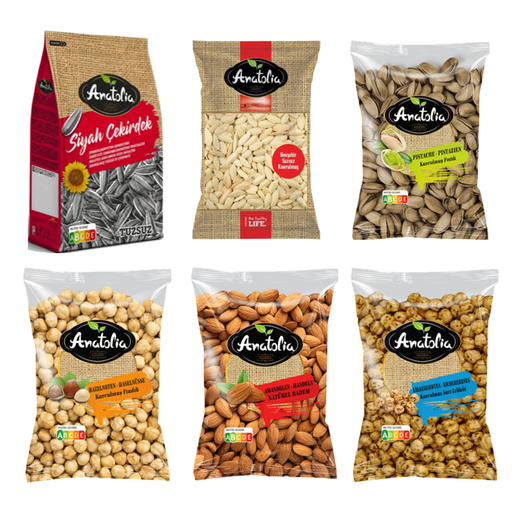 Image unavailable
A mix to consider if you’re looking for a single product containing a variety of nuts, seeds and chickpeas.
 Image unavailable
A variety to consider if you want to use unsalted peanuts in measured portions.
The product information lists 27g of protein and 50g of fat per 100g.
The ingredients information lists 99% peanuts and sunflower oil.
 Image unavailable
An option if you’re looking for raw, unsalted almonds as a snack or to add to a dish.
The product information lists 24g of protein and 50g of fat per 100g.
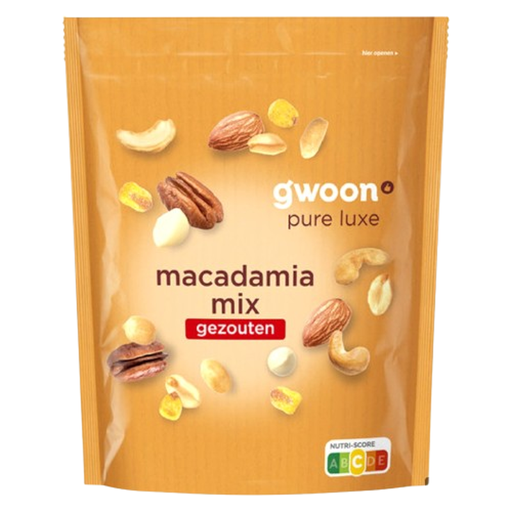 Image unavailable
A mix to consider if you’re looking for a variety of nuts as a snack or to add to a dish.
The product description includes macadamias, peanuts, almonds, cashews and pecans, as well as salt and sunflower oil.
 Image unavailable
An option if you’re looking for peanuts in their shells as a snack or ingredient; bear in mind that you’ll need to shell them.
The product information lists 29g of protein and 49g of fat per 100g.
No, not the varieties included in this comparison. Product information from Duyvis, AH, PLUS and Jumbo lists around 50–52g of fat per 100g for the peanuts in question. According to the European Commission, a solid food can contain no more than 3g of fat per 100g to carry a ‘low fat’ claim. Unsalted refers to the salt, not the fat.
According to the Netherlands Nutrition Centre, recreational sportspeople generally don’t need special protein products if they eat a healthy, varied diet. Consider nuts as part of your overall diet. For dedicated sportspeople with maximum performance goals, the Netherlands Nutrition Centre recommends consulting a sports dietitian.
Store nuts in a sealed container in a dry place, preferably somewhere cool. The Netherlands Nutrition Centre gives 10–15 °C as an example; also follow the storage advice and best-before information on your pack.
Don’t assume peanuts and other nuts are interchangeable if you have an allergy. The Netherlands Food and Consumer Product Safety Authority treats peanuts and nuts as separate allergens. Check the ingredients and allergen information on the label of the exact pre-packed product.