
Vandaag of morgen in huis

Kwaliteit gegarandeerd

Welkomstaanbiedingen ontgrendelen: GRATIS bezorging | Tot 80% korting | Gratis 30 dagen JoyPlus-proefperiode
Download de app
Nuts and dried fruit are handy at home, at work, on a train journey or as a topping for yoghurt and desserts. However, products can differ significantly in ingredients, flavour, packaging and nutritional value. An appealing front label featuring words such as “natural” or “no added ingredients” does not always tell the whole story.
This buying guide compares dried strawberries, roasted cashews, salted sunflower seeds, a nut mix and sweet Turkish snacks. This helps you avoid buying something that is less suitable for when you want to eat it or for your personal preferences.
Dried fruit naturally contains concentrated sugars. Some products also contain added sugar, oil or salt. Always check the ingredients list and the nutritional information per 100 grams.
For example, sugar may have been added to dried strawberries. Salted sunflower seeds may also contain significantly more salt than unsalted nuts.
A 200- or 240-gram pack may look appealing, but a product with lots of added ingredients or a flavour you quickly tire of may end up sitting unused. Check the net weight, the number of ingredients and how you intend to use the product.
Smaller packs are practical for taking with you. For breakfast, baking or several snack occasions, a larger bag may be more convenient, provided you can seal it properly.
Nut mixes may contain almonds, hazelnuts, walnuts, cashews or Brazil nuts. Some packaging also mentions possible traces of peanuts, gluten or sesame. Check the label carefully, especially if you have an allergy or intolerance.
The information on the product packaging takes precedence. Product information may change, so always compare it with the packaging you receive.
Look at the ingredients in order of quantity. For example, g'woon Cranberry Mix Unsalted consists of 30% sweetened cranberries, 25% cashews, 25% almonds and 20% walnuts. The cranberries contain cranberries, cane sugar and sunflower oil.
g'woon Cashew Nuts Roasted & Unsalted lists only cashews as an ingredient. This makes it a logical choice for anyone looking for unsalted nuts without additional flavourings. However, the product does contain the allergen cashew.
Pay attention to the difference between raw, roasted, salted and sweetened products:
Use the nutritional information per 100 grams to compare products fairly. The portion you actually eat may be smaller.
Nuts and dried fruit readily absorb moisture and odours. Store the bag according to the label in a cool, dry and dark place, away from heat and direct sunlight. Seal the packaging securely after opening.
Also check the shelf-life information. For most products, the relevant date is shown on the packaging. Do not use a product if its packaging is damaged. A stale smell, soft nuts or a sticky texture may indicate reduced quality.
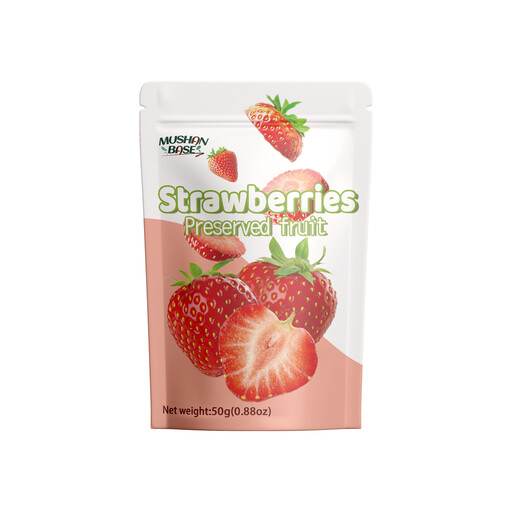
Why it suits this profile: The 50-gram pack is a manageable option for anyone who wants to try dried fruit without immediately buying a large supply. The strawberry flavour works well as a snack or as a topping for yoghurt and desserts.
The ingredients list includes dried strawberries and sugar. This makes it immediately clear that “dried fruit” here does not mean fruit without added sugar.
50 grams; ready to eat; suitable as a topping. Per 100 grams, the label lists 313 kcal and 57,4 grams of sugars.

Why it suits this profile: This bag contains 200 grams of roasted cashews with no added salt. It is ideal for anyone looking for a neutral base for snacking, salads or creating their own nut mixes.
The product information lists cashews as the ingredient and provides the nutritional values per 100 grams. However, always check the label on the packaging supplied.
200 grams; roasted; unsalted. The label lists 596 kcal, 46,67 grams of fat and 18,67 grams of protein per 100 grams.
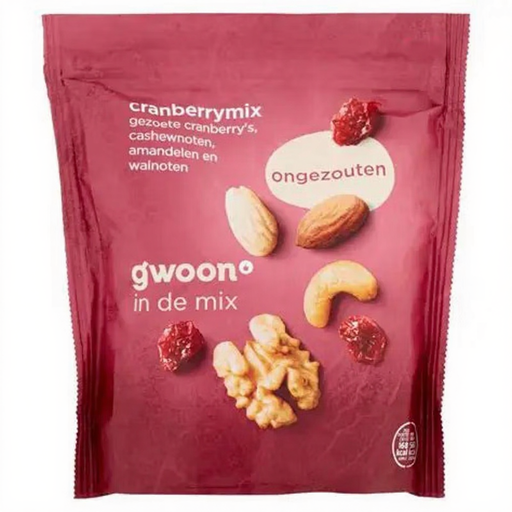
Why it suits this profile: The combination of cranberries, cashews, almonds and walnuts adds variety in one pack. It is handy for work, home or as a snack on the go.
The ratio of fruit to nuts is clearly stated. The cranberries are sweetened, while the product as a whole lists 0,05 grams of salt per 100 grams.
200 grams; four main ingredients; suitable for eating straight away. Contains cashew, almond and walnut; possible traces of other nuts and peanuts are stated.
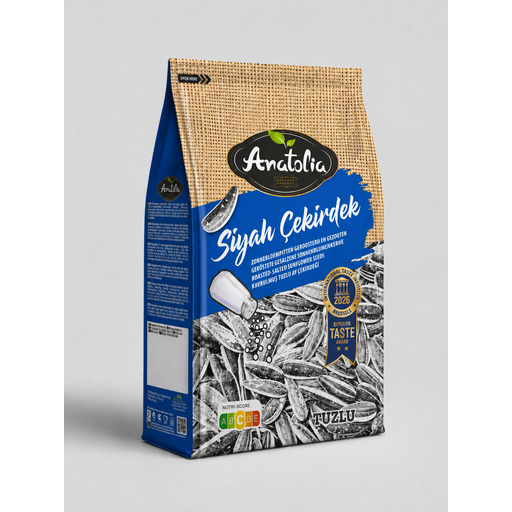
Why it suits this profile: This 240-gram pack is designed for anyone who enjoys roasted, salted sunflower seeds as a savoury snack, for example during a film night or informal get-together.
The ingredients list sunflower seeds, salt and flour. The salt content of 3 grams per 100 grams is clearly shown in the nutritional information.
240 grams; savoury flavour; suitable for eating straight away. The packaging warns of a choking hazard for children.
We have compiled a complete, up-to-date list of products that fully meet these strict selection criteria and the applicable European safety regulations.
If you would rather try sweet Turkish snacks, take a look at Titiz Candied Chestnut - 125 g. According to the product information, these candied chestnuts contain chestnuts and white sugar and provide 194 kcal per 100 grams. They are soft and ready to eat straight from the packaging.
The g'woon Elite Oats Bag - 200g is a mix containing 50% raisins, almonds, hazelnuts, walnuts and Brazil nuts. Note the listed sulphites and nut allergens. This product may suit anyone looking for a classic nut mix with dried fruit.
Yes, provided the packaging closes properly and you keep the product dry. Small packs or pre-portioned servings are practical to carry in a bag. In warm weather, take extra care to protect them from moisture and direct sunlight.
A standard nut mix consists mainly of different nuts. A cranberry nut mix adds dried, often sweetened cranberries. So check the sugar content and the ratio of fruit to nuts.
Shelf life depends on the product and storage conditions. Follow the date and instructions on the packaging. Seal the bag airtight and store the contents somewhere cool, dry and dark. Smell, taste and texture provide additional indications, but do not replace the information on the label.
