
Calorie-conscious nut snackers
You want to keep eating nuts without letting a generous handful send your snack calories creeping up. Weighing your portion and comparing labels matter more than assuming a particular type of nut is low in calories.


Start by weighing out a sensible portion, then compare unsalted nuts for both energy and total carbohydrates: low in carbohydrates doesn’t mean low in calories. The right choice depends on your portion size, the ingredients and your personal dietary advice; a ‘diabetic friendly’ label alone doesn’t prove that a product is suitable.
You want to keep eating nuts without letting a generous handful send your snack calories creeping up. Weighing your portion and comparing labels matter more than assuming a particular type of nut is low in calories.
You’re mindful of carbohydrates because of your diabetes and want to be able to calculate how much is in your portion. Check total carbohydrates, not just sugars.
You’re looking for variety and want to distinguish between unsalted, unroasted and oil-roasted products. The ingredients list helps you see exactly what’s in a mix.
Weigh your portion first, then compare the nutritional information and ingredients for the specific product. That way, a lower carbohydrate content or an ‘unroasted’ label won’t lead you to make assumptions about its energy content.
| What to consider | What to look for | Who should take note? |
|---|---|---|
| Calories per portion | Compare kcal per 100 g and calculate the amount for your weighed portion. | If I want to limit the calories in my snack, I weigh my portion rather than guessing based on a set number of nuts; around 36% of consumers put calorie control first. |
| Total carbohydrates | Check the amount of carbohydrates per 100 g and calculate it for your portion. | If I want to calculate my carbohydrate intake, I compare the total carbohydrates in the exact product; around 29% of consumers give carbohydrate control top priority. |
| Preparation and ingredients | Check which oil is used, the types of nuts and the salt in the ingredients list. | If I’m looking for a simple ingredient list, I check both the ingredients and how the product is prepared; around 21% of consumers look at this first. |
| Packaging and storage | Choose a pack size that suits how you use the product and follow the storage advice on the packaging. | For me, the pack size needs to suit how often I eat nuts, and I need to be able to store the rest properly; around 14% of consumers put ease of buying and storage first. |
The PLUS almonds included in this comparison have a lower carbohydrate content than the other varieties compared, but that doesn’t automatically make them low in calories.
Compare energy and total carbohydrates separately, and calculate both values for the same weighed portion.
Albert Heijn’s product information describes the cashews in this comparison as roasted in sunflower oil. The Jumbo mix included here is unroasted; ‘unsalted’ on its own doesn’t tell you how a product has been prepared.
Check the ingredients and preparation method separately from the salt content. Don’t assume that ‘unroasted’ means lower in calories.
The AH cashews included in this comparison have no added sugar, but they do contain total carbohydrates.
Use the ‘carbohydrates’ figure for your calculation. Don’t just look at ‘of which sugars’ or a claim on the front of the pack.
The amount in a pack and the amount you eat at a time are two different things. Nuts should also be kept dry in a tightly sealed container.
Weigh your snack before you eat it, and seal the pack tightly after use.
A pack that doesn’t suit how you use the product can be difficult to store properly and may lead to waste.
The range included in this comparison features Duyvis Unsalted Peanuts.
The own-brand range includes AH Unsalted Cashews, a roasted cashew variety.
The own-brand range includes an unroasted, unsalted mix of four types of nuts.
Alesto is a relevant range, featuring products such as almonds and walnuts.
The TRADER JOE'S Unsalted Nut Mix included in this comparison contains almonds, hazelnuts, walnuts and Brazil nuts.
PLUS Unsalted Almonds is a specific variety you can compare for its ingredients and nutritional values.
These Joybuy products are nut options you can compare for their ingredients and portion sizes. The product names mention almonds or peanuts, including varieties labelled as unsalted, raw and in the shell.
 No image available
An almond option to consider when comparing ingredients and weighed portions; check the nutritional information on the packaging.
 No image available
An unsalted peanut option to compare with others; check the ingredients and calculate the nutritional values for the portion you weigh out.
 No image available
The product name describes these as raw, unsalted almonds; compare the ingredients and nutritional information with the amount you plan to eat.
 No image available
An option with peanuts in the shell; when comparing, take the product format and the amount you actually weigh out into account.
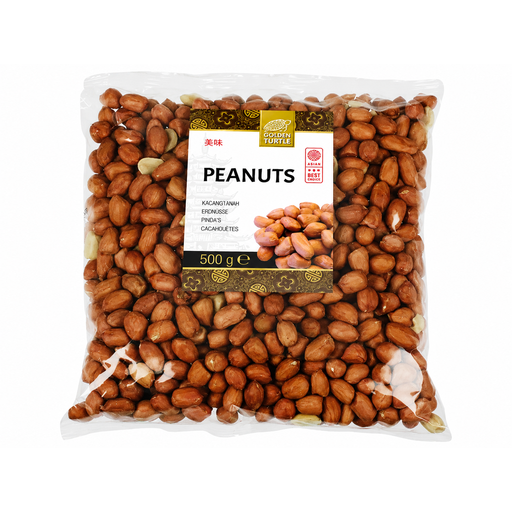 No image available
The product name describes these as raw peanuts with skin; check the nutritional information and choose a portion that suits your needs.
Weigh out an amount so you can calculate the energy and carbohydrates in your portion, but don’t treat a portion used for calculations as personal daily advice. The Netherlands Nutrition Centre notes that a dietitian can adapt general dietary advice to your personal needs if you have diabetes.
According to the European Commission, solid foods can carry the ‘low energy’ nutrition claim if they contain no more than 40 kcal (170 kJ) per 100 g. A smaller portion doesn’t change the nutritional value per 100 g, so it doesn’t automatically make a product eligible for that claim.
Yes. According to the NVWA, allergen information must appear on the label of prepacked products. If you have an allergy, also check the packaging for warnings about the possible presence of other allergens.
Don’t use nuts as a substitute for fast-acting glucose when treating a hypo. Diabetes.nl gives examples such as glucose tablets or regular fizzy drinks, not diet versions; follow the treatment plan you’ve agreed with your healthcare professional.
No. The NVWA warning issued on 20 May 2026 concerns 170 g packs of TRADER JOE'S unsalted cashews with a best-before date of 23-09-2026, due to possible metal fragments. Don’t eat any pack covered by the warning; it doesn’t automatically apply to the 500 g nut mix included in this comparison.