
Cycling households that eat nuts every day
If several people in your household eat nuts regularly, match your stock to how much you all use. Consider the types of nuts and how you’ll store the pack once it’s opened.


Choose a pack size that matches what your household will actually use, and check the ingredients, portion sizes and storage instructions. Ordinary nuts aren’t automatically a substitute for nutrition during long, intense rides: for a generic 25 g handful of unsalted nuts, the Netherlands Nutrition Centre lists 2.2 g of carbohydrate and 14.9 g of fat. It also warns that high-fat foods eaten shortly before exercise can cause stomach complaints.
If several people in your household eat nuts regularly, match your stock to how much you all use. Consider the types of nuts and how you’ll store the pack once it’s opened.
If you want to eat nuts with a meal, as a snack or around a ride, think about when you’ll eat them. The Netherlands Nutrition Centre distinguishes between everyday foods and nutrition for prolonged, intense exercise.
If your consumption varies from week to week, compare one large bag with several smaller packs or a smaller stock-up. Also think about portioning the nuts and sealing the pack properly after opening.
First decide when you want to eat the nuts, then choose a quantity and pack that suit how you’ll use them at home.
| What to consider | What should you look for? | Who is this for? |
|---|---|---|
| When you eat them and ride nutrition | Decide whether you’re choosing nuts for everyday use or to eat around an intense ride. For 25 g of unsalted nuts, the Netherlands Nutrition Centre gives a generic figure of 2.2 g of carbohydrate and 14.9 g of fat. | If I’m choosing nuts for everyday use, I don’t want to automatically treat them as ride nutrition. Around 31% of consumers prioritise when they’ll eat them. |
| Pack size | Check the net weight and the number of packs. Compare these with how much your household will actually use. | If nuts are eaten regularly at home, I want a stock that suits how much we use and won’t be left sitting around for too long. Around 31% of consumers prioritise the quantity they need. |
| Ingredients and allergens | Read the types of nuts, preparation method and ingredients. Check the allergen information on the pack, including any possible cross-contamination. | If the type of nut, preparation method or allergen information affects my choice, I want to check the exact pack. Around 19% of consumers prioritise ingredients. |
| Portions and storage | Check whether you’ll need to portion the nuts yourself and follow the storage instructions. The Netherlands Nutrition Centre recommends keeping nuts sealed, dry and cool. | If my consumption varies, I want a pack I can store and portion in a way that suits me. Around 19% of consumers prioritise managing their stock. |
Ordinary nuts are relatively low in carbohydrate and high in fat. According to the Netherlands Nutrition Centre, high-fat foods eaten shortly before exercise can cause stomach complaints.
Decide when you’ll eat them first. Don’t assess your everyday nut supply and nutrition for long, intense rides using the same criteria.
A larger stock means portioning the nuts and storing the pack properly; the size doesn’t tell you whether your household will use it all in time.
Estimate how much you use at home and check the quantity and storage instructions before choosing a pack.
The products reviewed differ in their preparation methods and ingredients. For example, the Duyvis peanuts reviewed contain sunflower oil, while the PLUS mix is described as unroasted and unsalted.
Read the ingredients list and preparation details for the exact product. Check the allergen information on the pack too.
A 235 g bag or a large stock-up pack isn’t automatically one serving. You’ll need to decide how much to eat and how to store the rest.
Portion the contents yourself if needed and follow the storage instructions. The Netherlands Nutrition Centre recommends keeping nuts sealed, dry and cool.
The unsalted peanut range reviewed is a good fit if you’re looking for peanuts rather than a mixed pack of nuts.
The 500 g AH Unsalted Nut Mix reviewed is a mixed-stock option for households that eat nuts regularly.
The 500 g Unroasted Mixed Nuts Value Pack reviewed is an option if you’re looking for a mixed supply of nuts.
The 200 g Lidl nut mix reviewed offers a smaller-pack option.
The 500 g TRADER JOE’S Unsalted Nut Mix reviewed is a mixed-nut option. ALDI is the retailer; TRADER JOE’S is the product brand.
The PLUS Unroasted Unsalted Nut Mix reviewed comes in a 500 g stand-up pouch, for households that portion their own nuts.
These Joybuy products suit shoppers choosing between a mixed supply of nuts and a larger stock of one type of nut or several packs.
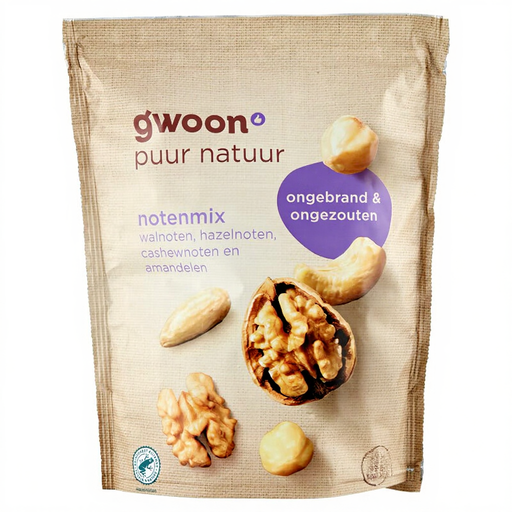 Image unavailable
Ideal for a household looking for a mixed supply of nuts.
500 g; unroasted and unsalted, with hazelnuts, walnuts, almonds and cashews.
Store in a cool, dry place and seal well after opening.
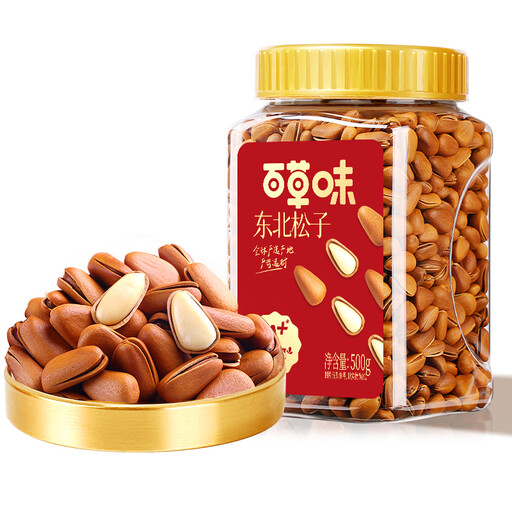 Image unavailable
Ideal if you’re looking for a larger supply of pine nuts rather than a mixed nut blend.
500 g; the product description says it contains at least 98% pine nuts.
Lightly roasted with palm oil; the description suggests enjoying them as a snack or adding them to dishes.
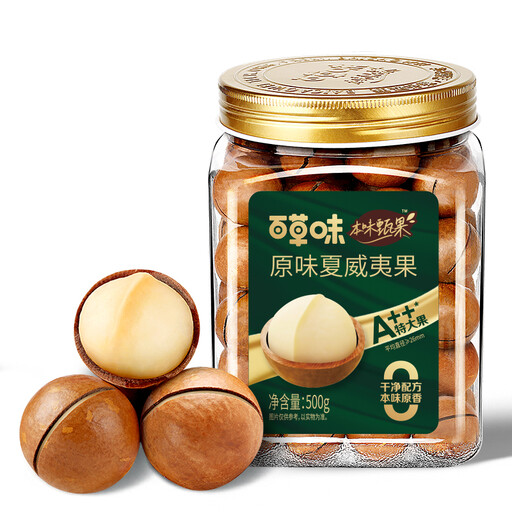 Image unavailable
Ideal if you’re looking for macadamia nuts to snack on or add to dishes.
500 g; macadamia nuts are listed as an ingredient.
The description says no flavourings, sugar or salt have been added. The nutrition table lists 0.1 g of salt per 100 g.
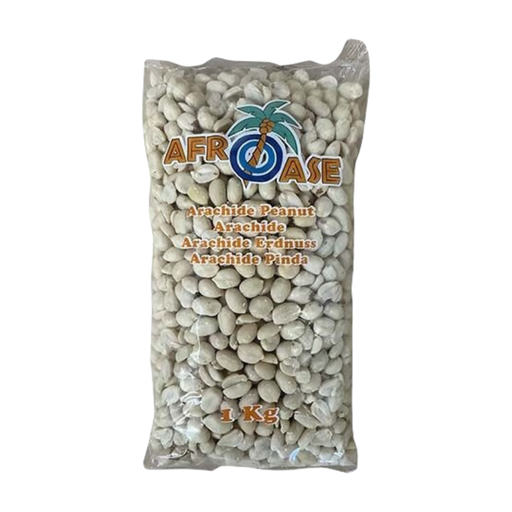 Image unavailable
Ideal for a household looking for a larger supply of peanuts.
The product title lists peanuts and a net weight of 1 kg.
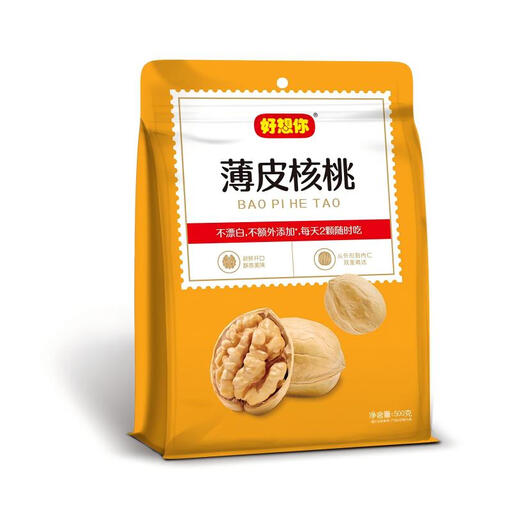 Image unavailable
Ideal if you want to split your walnut supply across several packs.
500 g split across 8 packs; walnuts are the listed ingredient.
The walnuts are in their shells and need cracking before eating.
Don’t automatically treat ordinary nuts as an equivalent substitute for sports nutrition. For a generic 25 g handful of unsalted nuts, the Netherlands Nutrition Centre lists 2.2 g of carbohydrate and 14.9 g of fat. For prolonged, intense exercise, the Netherlands Nutrition Centre mentions sports bars and gels as possible ways to help maintain energy levels; they aren’t essential for every ride.
No, it varies by product. The Duyvis peanuts reviewed contain sunflower oil, and oil is also listed for the AH mix. PLUS describes the mix reviewed as unroasted and unsalted. Check the ingredients and preparation method on the exact pack.
No. For the 500 g bag reviewed, AH lists twenty 25 g portions, and the Netherlands Nutrition Centre uses 25 g in a generic nutrition table. That amount isn’t a personalised sports nutrition plan.
Keep nuts sealed, dry and cool, and follow the instructions on the pack. For the AH mix reviewed, it also says to seal the pack properly after use. Don’t assume general storage advice guarantees how long your opened product will keep.
Check the allergen information on the label of the specific pack. The NVWA lists peanuts and nuts as separate categories. According to the NVWA, since 1 January 2026, precautionary allergen warnings about unintended presence must follow rules based on risk assessment. So check the label for information about possible cross-contamination too.