Only offer nuts to guests if the types of nuts on offer, and any peanuts, are suitable for them. Nuts are not a nut-free alternative for someone with a nut allergy. For a gluten-free or lactose-free requirement, you can check the exact packaging for the relevant claim, but lactose-free does not automatically mean suitable for someone with a milk allergy. Keep allergen information available when serving food and prevent cross-contamination, as required by the NVWA.
Who is this guide for?
Organisers catering for guests with allergies
You’re buying snacks for a conference where guests need to avoid certain nuts, peanuts or other allergens. Check the information for the exact product, and don’t make general claims that a snack is allergen-free. The NVWA explains what allergen information must appear on the labels of prepacked products.
Buyers catering for specific dietary requirements
You’re looking for nuts to meet a gluten-free or lactose-free requirement, without confusing either with a nut allergy or milk allergy. A claim on the exact product can help narrow down your selection; also check the ingredients and warnings.
People responsible for the buffet
You’re organising the preparation, portioning and serving of snacks. Keep a record of which packaging was used and make sure guests can access allergen information. The NVWA also provides information about allergens in non-prepacked food.
What should you look for in nuts for conference catering?
A different snack for guests avoiding nuts
When to choose it: if a guest needs to avoid certain nuts or peanuts, check an alternative for those specific allergens.
Trade-off: an alternative is not automatically free from other allergens; check the ingredients, warnings and how it was handled too.
Nuts with a specific dietary claim
When to choose them: for a gluten-free or lactose-free requirement, if the guest can eat the nuts on offer and the exact packaging carries the relevant claim.
Trade-off: a gluten-free or lactose-free claim does not make the product nut-free; lactose-free also does not automatically mean suitable for someone with a milk allergy.
Nuts for guests without a relevant allergy restriction
When to choose them: if the types of nuts on offer, and any peanuts, are suitable for the guests you’re buying for.
Trade-off: unsalted describes the flavour or product, not its allergen status; check the information for the exact variant.
First, check which allergens a guest needs to avoid. Then consider any dietary claims, how the food will be served and how much you need.
| What to consider |
What should you check? |
Who is this most important to? |
| Avoiding the right allergen |
Check which types of nuts are present, whether peanuts are an ingredient and whether there are warnings about possible traces. |
If a guest needs to avoid certain nuts or peanuts, I want to be able to check the information on the exact packaging. Around 36% of consumers put avoiding the relevant allergen first. |
| Safe serving and clear information |
Match each serving dish to the packaging used and agree how the team will prevent cross-contamination. |
When serving food at a buffet, I want to be able to trace each dish back to the packaging used and pass on the information clearly. Around 29% of consumers prioritise safe serving and clear information. |
| A specific dietary claim |
Check the claim on the exact packaging, as well as the ingredients and allergen warnings. |
For guests who need gluten-free or lactose-free food, I want to check the claim without treating it as a guarantee that the product is allergen-free. Around 21% of consumers give a specific dietary claim top priority. |
| Packaging and quantity |
Compare the pack size, stated serving size and the effort involved in opening and portioning the product. |
When planning snacks for a gathering, I want to know how much is in the pack and how much preparation serving it will involve. Around 14% of consumers prioritise planning quantities and portions. |
Pitfalls with nuts and allergens
-
Describing a nut mix as generally allergen-free
Nut mixes contain nuts and may also contain peanuts as an ingredient or carry a warning about possible traces of peanuts. This means a nut mix is not an alternative for guests who need to avoid nuts.
Check the ingredients and warnings on the exact packaging, and only mention the specific dietary claim shown on it.
-
Treating vegan, unsalted or lactose-free as the same thing
These terms answer different questions. A vegan nut mix can contain nuts; lactose-free, on its own, does not tell you whether a product is suitable for someone with a milk allergy.
Check each relevant dietary requirement and allergen detail separately against the exact product.
-
Losing the packaging and product information when decanting
Allergen information must remain available when serving non-prepacked food. The NVWA explains that guests must be informed in another way; if you provide information verbally, it must be clearly visible that guests can ask for it.
Link each serving dish or container to the packaging used, and include that information in the handover to the service team.
-
Relying on a warning instead of preventing cross-contamination
A warning about possible traces does not replace measures taken during preparation and serving. The guidelines from FNLI, CBL and the NVWA identify preventing cross-contamination as the first step.
Consider how the kitchen and service team work, as well as your product choices, and agree how allergens will be kept separate during preparation and serving.
Brands and product ranges for reference
Duyvis
Duyvis offers nuts and snacks for drinks occasions, among other products; the Unsalted Almonds mentioned here are a 125 g almond product.
- The ingredients in Unsalted Almonds are almonds and sunflower oil.
- According to Duyvis, the packaging may contain traces of peanuts and various nuts. This is therefore not a nut-free or guaranteed peanut-free product.
- PepsiCo offers a product checker that lets you search by EAN code, product name or brand.
Albert Heijn
The AH nut mixes reviewed, in 200 g and 500 g packs, are labelled gluten-free and lactose-free.
- These dietary claims may help meet those specific requirements if the nuts present are suitable.
- The products contain nuts; check the allergen information and warnings about possible traces of other nuts or peanuts for each variant.
Jumbo
The Jumbo Unsalted Nut Mix 200 g reviewed here is a specific blend of different types of nuts.
- Jumbo states that this mix contains 28.9% peanuts, among other ingredients.
- Unsalted does not mean allergen-free; check the full ingredient and allergen information for the guest and the serving arrangements.
Lidl
Lidl describes Alesto as a range of nuts, dried fruit and party snacks.
- The range offers different snack options.
- A general description of a range does not prove that a specific product is free from a particular ingredient. Check the exact variant.
ALDI
The Trader Joe’s Unsalted Nut Mix reviewed here is a 500 g pack containing almonds, hazelnuts, walnuts and Brazil nuts.
- The stated pack contents and types of nuts help you assess whether the mix is suitable for your guests.
- The product contains nuts, and general range information is not a blanket guarantee that it is allergen-free. Apply a safety warning only to the specific product and variant it names.
PLUS
The PLUS Raw Unsalted Nut Mix 200 g reviewed here is a vegan blend of four types of nuts.
- PLUS lists hazelnuts, walnuts, almonds and cashews in the product ingredients.
- The packaging warns that the product may contain peanuts and other nuts. Being vegan and unroasted does not make the mix allergen-free.
Joybuy products for nuts and alternative snacks
This selection includes snacks without nuts, which should be checked separately for allergens, as well as nuts for guests who can eat the types listed. No product description replaces checking the exact packaging and how the food will be served.
 No image available
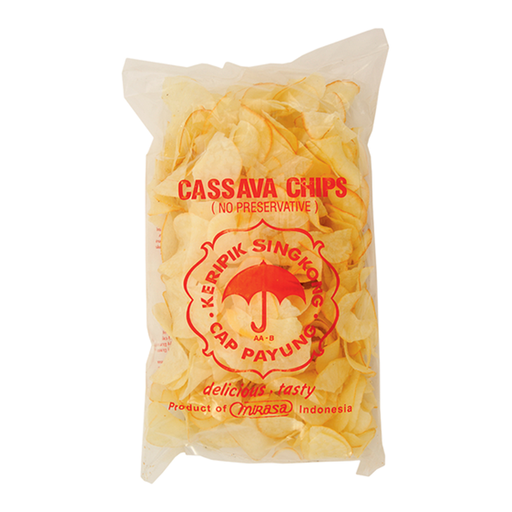
Mirasa Krau Krau Cassava Chips 250 g
An alternative snack to check for guests avoiding nuts; make sure the ingredients and warnings are suitable for the specific allergy.
The product information lists cassava, vegetable oil and salt. According to the product description, the snack does not contain any of the 14 major EU allergens; this does not guarantee that it is suitable for every allergy.
Joybuy
 No image available
Lay's Oven Baked Natural 150 g
A potato snack to consider as an alternative to nuts; always refer to the exact packaging for allergen information.
The product description lists potato flakes and sunflower oil, and states that each bag contains 5 to 6 servings. It also says that the product does not contain any of the 14 major EU allergens; this is not a general guarantee for every allergy.
Joybuy
 No image available
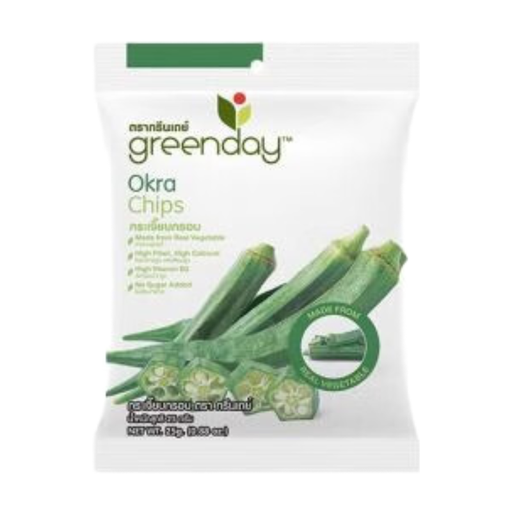
Okra Chips 25 g
A small snack pack to consider for a specific dietary requirement; check the claim and allergen information on the packaging you’ll be serving.
The product description lists 98% okra and 2% rice oil, and states that it is gluten-free. It also says that it does not contain any of the 14 major EU allergens; neither claim is a guarantee for every allergy.
Joybuy
 No image available
Anatolia Badem Natural (Almonds) 500 g
This is only suitable for serving to guests who can eat almonds; don’t choose it for guests who need to avoid almonds or nuts.
The product information lists 100% almonds and a pack size of 500 g. The product can be used as a snack or an ingredient.
Joybuy
 No image available
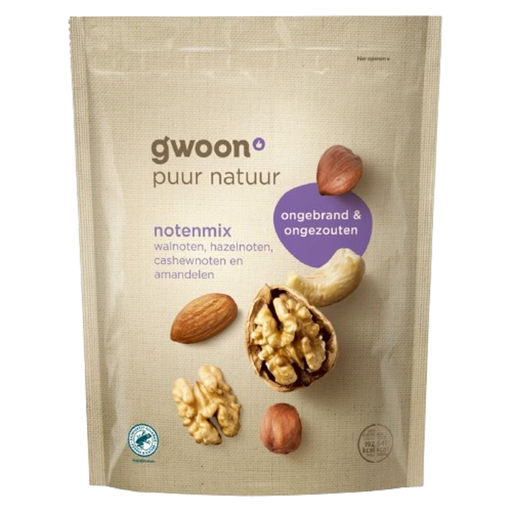
g'woon Nut Mix Raw & Unsalted 200 g
This mix is only suitable for guests who can eat the types of nuts it contains; bear in mind the warning about possible traces of peanuts and other nuts.
The product information lists hazelnuts, walnuts, almonds and cashews as ingredients. The pack weighs 200 g and the mix is described as unsalted and unroasted.
Joybuy
Frequently asked questions about nuts for conference catering
Do you need to provide allergen information if snacks are no longer in their packaging?
Yes. The NVWA says guests must be informed about allergens in non-prepacked food in another way, for example with labels or a menu. If you provide information verbally, it must be clear that guests can ask for it.
What does ‘may contain’ mean on a prepacked snack?
It is a warning that an allergen may be present unintentionally. The NVWA says such a warning must be based on a risk assessment; follow the information on the exact product and don’t treat the warning as a substitute for preventing cross-contamination.
Can you automatically serve lactose-free nuts to someone with a milk allergy?
No. A milk allergy involves milk protein, while lactose intolerance affects the digestion of milk sugar. For a milk allergy, check the ingredients and allergen information for milk protein separately; Stichting Voedselallergie explains the difference.
How do you keep information up to date when buying the same snack again?
Check the packaging in the new delivery and keep the information for the product actually being used. Albert Heijn and PLUS state that ingredients and dietary or allergy information can change.
What does the NVWA warning about Trader Joe’s cashews mean?
The NVWA warning dated 20 May 2026 concerns Trader Joe’s Unsalted Cashews, 170 g, with a best-before date of 23-09-2026, and reports possible metal fragments; the warning says not to eat these cashews. The fact that the best-before date has passed does not automatically make a remaining pack safe. The warning applies to the named variant and not automatically to other products.


