
Conference planners keeping an eye on portions
You want to be able to plan the energy provided per attendee. The Voedingscentrum lists 164 kcal for a 25 g portion of unsalted nuts, so use both the nutritional information and the weighed amount.


For conference breaks, the clearest way to manage the energy in each snack is to weigh the nuts and use the portion size alongside the nutritional information per 100 g. Unsalted or unroasted does not mean low in calories. If you serve nuts out of their packaging, keep the allergen information for the exact product to hand.
You want to be able to plan the energy provided per attendee. The Voedingscentrum lists 164 kcal for a 25 g portion of unsalted nuts, so use both the nutritional information and the weighed amount.
You may serve nuts outside their original packaging and want to keep information about the allergens they contain readily available. The NVWA outlines information requirements for prepacked and unpackaged foods, including catering.
You want to work out how many portions are in each pack, store opened stock and plan how it will be served. The product information reviewed from Albert Heijn, Jumbo and Duyvis includes portion or storage details that may help.
| What to consider | What should you check? | Who is this most relevant to? |
|---|---|---|
| Energy per portion | Check the kcal per 100 g and weigh the portion you plan to serve; calculate the energy in proportion to its weight. | If I want to plan the energy in each snack, I weigh the portion rather than relying on the product name alone. Around 33% of consumers prioritise energy per portion. |
| Ingredients and preparation | Read the ingredients and check the energy and salt content separately. | If I’m looking for a particular mix or preparation method for my menu, I check these details on the label. Around 20% of consumers give ingredients and preparation top priority. |
| Allergen information | Check which allergens the product contains and which it may contain according to the packaging; keep this information available where the food is served. | If I’m serving nuts in bowls, I want to be able to check the product information where they’re served. Around 27% of consumers prioritise allergen information. |
| Portions and stock | Work out how many portions are in the pack and follow the storage instructions once it’s opened. | If I’m planning several breaks, I want to know how many weighed portions I can get from a pack and how to store the rest. Around 20% of consumers prioritise serving and stock management. |
The Jumbo Unsalted Nut Mix reviewed lists 633 kcal per 100 g, despite containing less than 0.01 g of salt per 100 g.
Check energy and salt as separate values. Serve a weighed portion rather than describing the product as low in calories without evidence.
The 200 g Jumbo pack reviewed contains eight 25 g portions; the 500 g AH pack lists twenty 25 g portions.
Weigh the portion you want to serve and plan how many portions you’ll need for each break before ordering.
The PLUS mix reviewed is unroasted and unsalted, but lists 641 kcal per 100 g. The preparation method doesn’t indicate the energy content.
Choose unroasted nuts if that suits your product preference, and calculate the energy using the nutritional information for the exact product.
Allergen information must be available even when food is served unpackaged. The NVWA outlines suitable ways of providing this information for catering.
Keep the details for the product actually delivered with the serving information, even when the nuts are served in bowls.
The Pinda’s Ongezouten range reviewed includes a peanut snack; product information for the 235 g version is available from PLUS.
AH Unsalted Nut Mix 500 g is an option if you want to plan 25 g portions from a single pack.
Jumbo Unsalted Nut Mix 200 g lists nutritional values per 100 g and per portion.
Alesto is Lidl’s product range, which includes nuts, dried fruit and party snacks.
The TRADER JOE’S Unsalted Nut Mix reviewed contains almonds, hazelnuts, walnuts and Brazil nuts.
PLUS Unroasted Unsalted Nut Mix 500 g is worth considering if you specifically want to serve unroasted nuts.
This selection includes nuts and nut mixes in packs ranging from 150 to 500 g. Ingredients, preparation and nutritional information vary by product, so check the label and portion size when planning how to serve them.
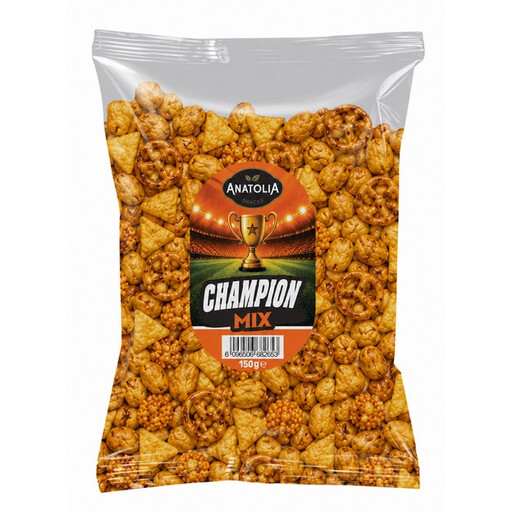 No image available
The 150 g pack can help you plan portions for a break; you’ll need to weigh the amount you serve.
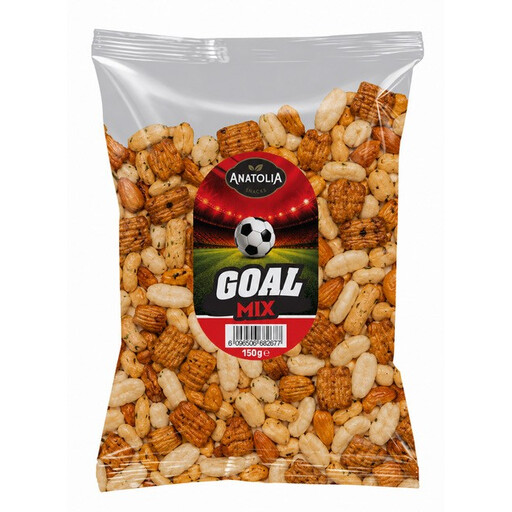 No image available
The 150 g pack is a handy size to factor into your portion planning; weigh the amount you serve.
The product description lists almonds, cashews and peanuts.
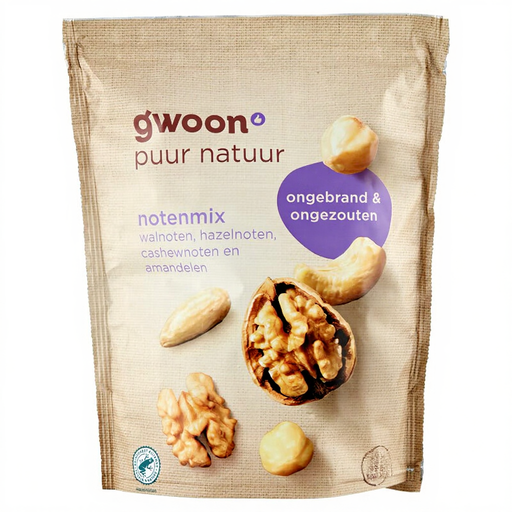 No image available
This larger pack may suit plans for several portions; weigh the amount you serve and seal the pack properly after opening.
The description lists 663 kcal and 0 g of salt per 100 g, and names hazelnuts, walnuts, almonds and cashews. The product contains these nuts and may contain traces of peanuts and other nuts.
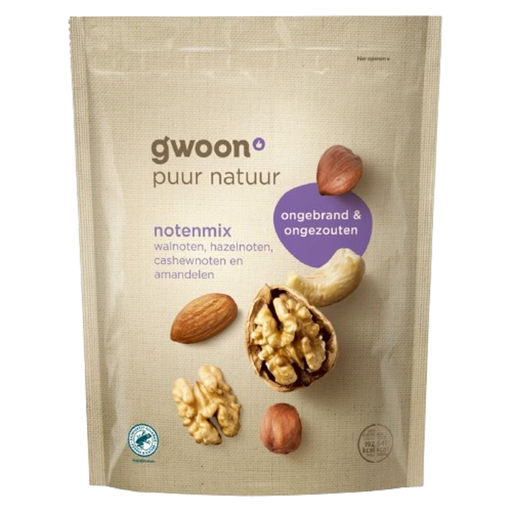 No image available
The 200 g pack may be suitable if you’re planning a smaller amount of stock; follow the instructions to seal the pack properly after opening.
The description lists 2650 kJ and 0.01 g of salt per 100 g, and names hazelnuts, walnuts, almonds and cashews. The product contains nuts and may contain traces of peanuts.
 No image available
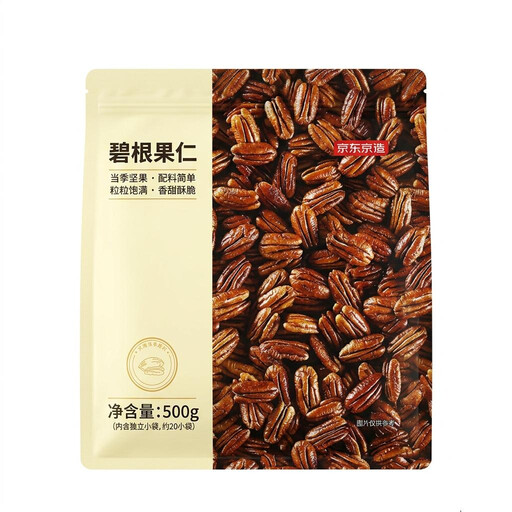
The 500 g pack can be divided between several serving times; decide on the portion size in advance.
The description lists 703 kcal per 100 g and 87.6% pecans. The ingredients list also includes sugar and salt.
Not on the basis of the nutritional information shown. For the claim ‘low energy’ on solid foods, the European Commission sets a limit of no more than 40 kcal (170 kJ) per 100 g; the products reviewed with available energy information list between 614 and 672 kcal per 100 g. A smaller portion doesn’t change the product’s value per 100 g.
Multiply the energy per 100 g by the portion weight, then divide by 100. For example, the Duyvis peanuts reviewed contain 614 kcal per 100 g, which works out at 92.1 kcal for 15 g. This is a calculation example, not a recommended portion size.
Yes. Keep the information for the product actually served available. For unpackaged foods, the NVWA outlines options including written information and verbal information when customers are clearly told they can ask for it; the information must be available before purchase.
Follow the storage instructions on the exact pack. For the nut mix reviewed, AH recommends storing it in a cool, dry place and sealing the pack properly. Jumbo’s product information for Duyvis peanuts recommends keeping an opened bag in a light- and airtight container.
No. These words describe the salt content or preparation method and don’t, by themselves, tell you how much energy the product contains. Compare the nutritional information per 100 g and use it to calculate the energy in the portion you actually serve.