What should you look for when buying?
First, check that the exact product is suitable for a gluten-free diet. Then consider how it’s prepared, what it contains and the pack size, depending on how you plan to use the nuts.
| What to consider |
What should you check? |
Who is this important for? |
| Gluten-free suitability |
Look for a gluten-free claim or the Crossed Grain symbol, and read the ingredients and allergen information on the packaging. |
If coeliac disease means I need to eat strictly gluten-free, I want to be able to check the information for this exact product. Around 42% of consumers put gluten-free suitability first. |
| Preparation and ingredients |
Check whether the nuts are unroasted, roasted or coated, and look at the ingredients and any salt information. |
If I eat nuts regularly, I want to know what else is in the mix and how it’s been prepared. Around 25% of consumers prioritise the ingredients in their everyday food. |
| Other allergens |
Read which nuts and peanuts are included, and check the warnings on the packaging. |
If I’m also buying for someone with a peanut or tree nut allergy, I check for those allergens separately from gluten. Around 17% of consumers put an additional allergy first when choosing products. |
| Storage and serving |
Choose a pack size that suits how you’ll use the nuts, follow the storage instructions and keep gluten-free nuts separate when serving. |
If I’m sharing nuts or storing an opened pack, I want to keep the snack separate and have the packaging available. Around 16% of consumers prioritise portioning and ease of serving. |
Nut products on Joybuy
These Joybuy products include unsalted peanuts and a range of nuts for snacking or adding to dishes. This alone doesn’t indicate whether they’re suitable for a gluten-free diet: check the latest information on the exact packaging before buying.
 No image available
g'woon unsalted peanuts 250 g
These unsalted peanuts may be a good option if you’re looking for a peanut snack; if you have coeliac disease, check the gluten-free claim and allergen information on the exact packaging.
The product information lists 99% peanuts and sunflower oil. The product contains peanuts and may contain cashews.
View product on Joybuy
 No image available
g'woon raw unsalted almonds 200 g
This variant may suit you if you’re looking for raw, unsalted almonds; check the latest packaging to assess whether it’s suitable for a gluten-free diet.
The ingredients information lists almonds. The product contains almonds.
View product on Joybuy
 No image available
g'woon roasted unsalted cashews 200 g
These roasted, unsalted cashews may suit you if this is the type of nut you’re looking for; check the latest packaging for gluten-free information.
The ingredients information lists cashews. The product contains cashews.
View product on Joybuy
 No image available
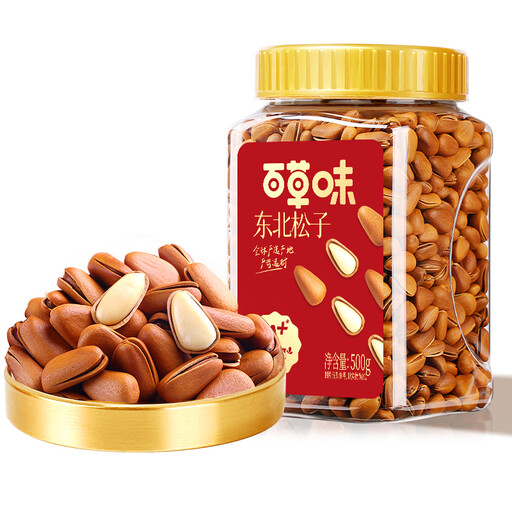
BE&CHEERY Northeast Pine Nuts 500 g
These pine nuts may be useful as a snack or in dishes; if you have coeliac disease, check the information on the latest packaging.
The product description lists at least 98% pine nuts and palm oil. The product contains pine nuts.
View product on Joybuy
 No image available
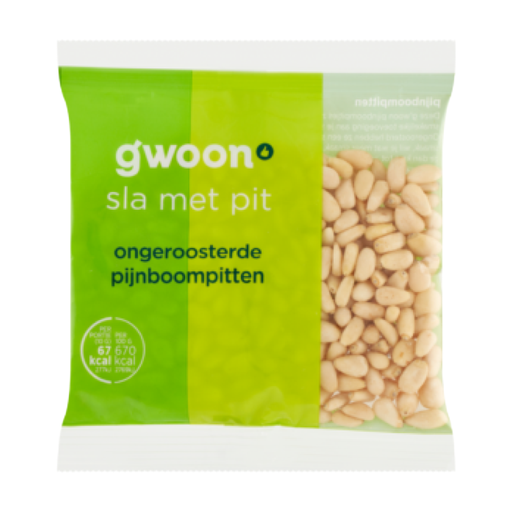
g'woon pine nuts 40 g
The smaller pack may be handy if you only need a small amount of pine nuts; check the gluten-free information on the exact packaging.
The ingredients information lists pine nuts. The product contains pine nuts.
View product on Joybuy
Frequently asked questions
Does ‘gluten-free’ also mean ‘allergen-free’?
No. A gluten-free claim doesn’t mean a product is free from peanuts or other nuts. The AH mixes checked contain several types of nuts, so assess any additional food allergy separately.
Should I check the packaging again, even for a product I know?
Yes, check the latest packaging even when you’re buying a product again. Albert Heijn and PLUS state that ingredients and allergen information can change.
How should I serve nuts alongside snacks containing gluten?
Keep the gluten-free nuts separate and use clean utensils and a clean work surface. The Dutch Coeliac Society recommends keeping gluten-free products in their packaging for as long as possible, to limit contact and keep the label information available.
What rules apply to warnings about possible cross-contamination?
From 1 January 2026, the NVWA will oversee new rules for allergen warnings on prepacked products. The NVWA lists ‘May contain X’ and ‘Not suitable for people with an X allergy’ among the permitted warning formats.
Is the ‘gluten-free’ claim regulated by law?
Yes. The European Commission identifies Regulation (EU) No 828/2014 as the framework setting out the conditions under which products may be labelled ‘gluten-free’ or ‘very low gluten’. Also check the ingredients and allergen information on the exact packaging.


